

Jessica George ’24

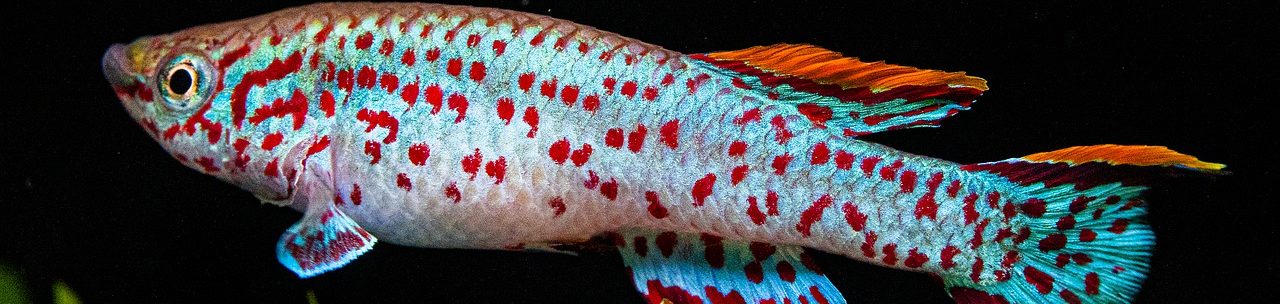
Figure 1 Prairie voles are small rodents known for their unusual monogamous behavior
Love and attachment hold a very important place in human lives but the neuroscience behind them is poorly understood. Recent groundbreaking research involving prairie voles helped to unravel the biological mechanisms behind love and bonding. Prairie voles are small rodents known for their unusual monogamous behavior, forming long-term pair bonds and displaying empathy-like responses to their partners. One of the central questions posed by researchers is how a seemingly unassuming rodent like the prairie vole became a surrogate for exploring the mysteries of love and heartbreak. The article provides an enlightening answer, revealing the convergence of ecological factors, hormonal regulation, and genetic underpinnings.
The prairie vole’s unique bonding behavior is attributed to the environmental conditions of their habitat, where resources are sparse, forcing pairs to collaborate in raising offspring and defending territory. Additionally, oxytocin and vasopressin, hormones known for their roles in maternal care and emotional bonding, are identified as key players in forging these lasting bonds. Larry Young and his Emory University colleagues employed adeno-associated viruses to introduce an additional vasopressin receptor gene copy into the ventral pallidum of naturally promiscuous and solitary meadow voles, inclining them to cuddle with a mate. These findings make clear that the interplay between hormones and neural pathways is crucial in determining whether a species forms enduring bonds. Through the use of CRISPR, conventional wisdom about oxytocin’s role in bonding was challenged. Genetically modified prairie voles lacking oxytocin receptors still displayed monogamous preferences to the same degree, demonstrating that the oxytocin receptor may not be the sole determinant. In the nucleus accumbens of prairie voles, reward neurons activated before an animal approached its mate, the degree of which increased over time. These findings reveal that the brain’s readiness for bonding is evident even before the bond forms and that neural activity patterns change as bonds strengthen or dissolve.
In summary, this research on prairie voles provides invaluable insights into the intricate biology of social bonding, offering parallels to human relationships. It underscores the importance of environmental factors, hormone regulation, genetic mechanisms, and neural circuitry in shaping the bonds we form and the emotional landscapes of love and loss. This multifaceted approach promises a more comprehensive understanding of attachment and its profound impacts on our lives. However, more research is needed in order to fully understand these complex concepts.
Citations:
- S. Phelps, Z. Donaldson, D. Manoli, Monogamous Prairie Voles Reveal the Neurobiology of Love. Scientific American 328, 2, 40-45 (2023) doi:10.1038/scientificamerican0223-40
- Image retrieved from: https://www.flickr.com/photos/rachel_s/5377681460
 Young Investigators Review