

Maria Sazonova ’26
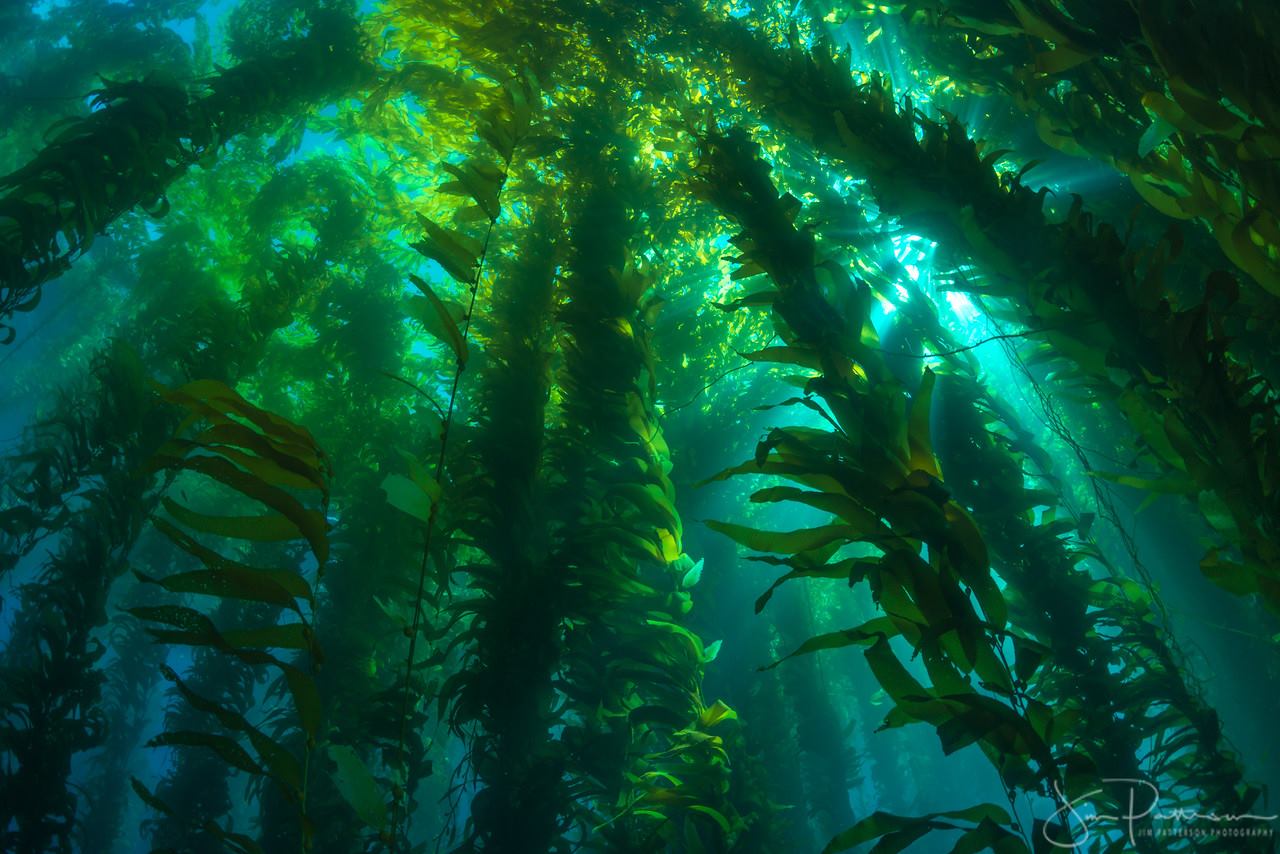
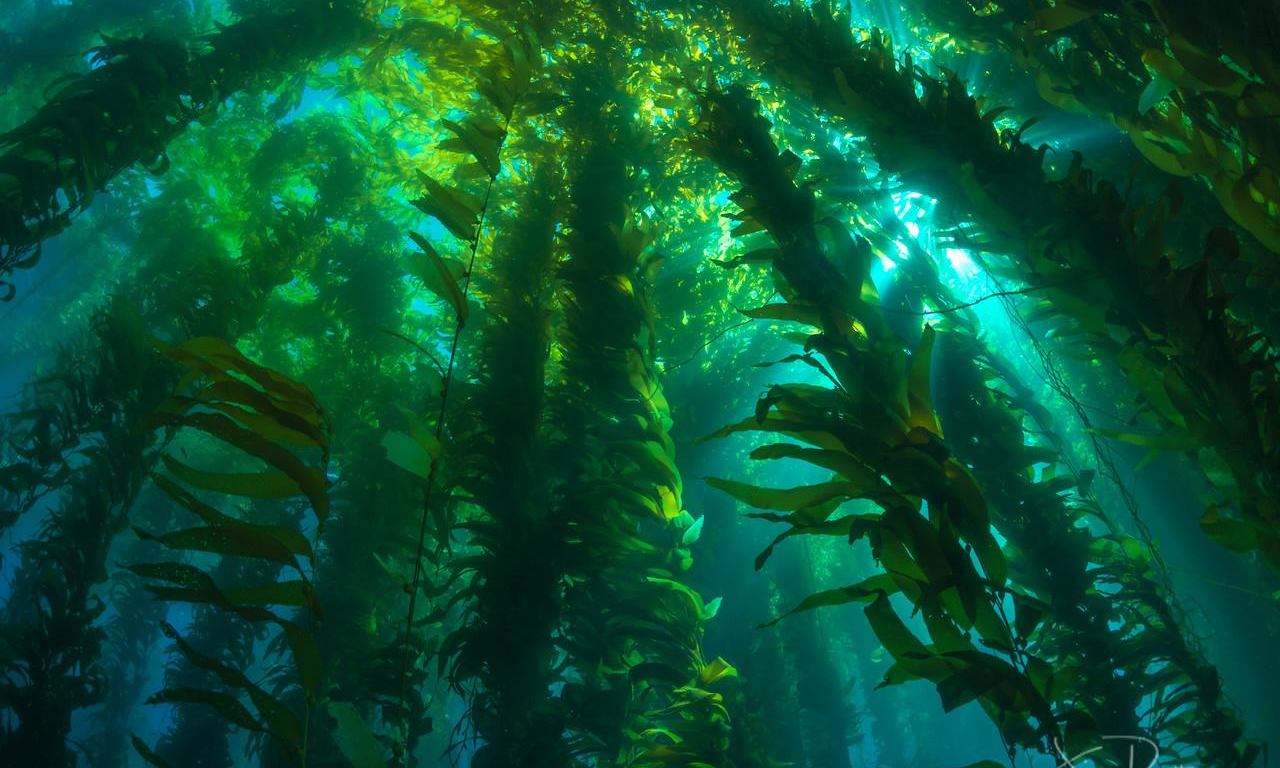
Figure 1: Saccharina Latissima kelp underwater
Coastal zones are focal points of ocean acidification due to the influx of atmospheric CO2 which has severe negative effects on the growth and survival of calcifying bivalves. Kelp species provide numerous ecosystem services such as carbon and nitrogen sequestration and the creation of a safe habitat for aquatic creatures. Saccharina latissima (sugar kelp) specifically can grow robustly by extracting harmful CO2 from the water. However, the practical relationship between S. latissima kelp and various bivalves is generally unknown.
Christopher Gobler and his research team from Stony Brook’s School of Marine and Atmospheric Sciences (SoMAS) conducted a total of seven experiments, six of which specifically assessed the effects of elevated CO2 and the presence of Saccharina latissima on the growth rates of three different bivalve species indigenous to the North Atlantic: Eastern oysters, blue mussels, and hard clams. The seventh experiment assessed the relationship between proximity to kelp and bivalve growth rates. S. latissima was grown on horizontal longlines in a commercial oyster farm, Great Gun Oysters, in Moriches Bay, NY. Blades of S. latissima were cut from the longlines and immediately placed in seawater-filled containers that mimicked coastal conditions, with pre-drilled holes that allowed for the delivery of dissolved pCO2 (the gas phase pressure of dissolved CO2 in seawater) and minimized interaction with environment. A control container enclosed bivalves in seawater with elevated pCO2 levels without S. latissima kelp. For Experiment 7, bivalves were placed in bags at one of three proximities to the S. latissima lines: in-kelp, near-kelp, and outside-kelp. For all experiments, initial and final measurements of length and tissue weight demonstrate almost two-fold higher tissue-based growth rates for each of the bivalve species in the elevated pCO2 treatment with S. latissima, as compared to the control. The seventh experiment found significantly higher growth rates at in-kelp sites compared to near-kelp and outside-kelp sites.
The researchers concluded that in each of the experiments, the tissue-based growth rates for all bivalves increased proportionate to proximity to kelp. Kelp was discovered to have the remarkable ability to mitigate negative effects of high CO2, improve low pH conditions, and have the potential to protect bivalves from ocean acidification and other coastal stressors. Furthermore, kelp cultivation could benefit business by improving mass oyster and shellfish health and growth speed in aquacultures. Future research may examine how exactly the benefits of kelp aquaculture may become more habitat-specific.
Works Cited
[1] C. Young, L. et al., Kelp (saccharina latissima) mitigates coastal ocean acidification and increases the growth of North Atlantic bivalves in lab experiments and on an oyster farm. Frontiers, Vol. 9 (2022). Doi: https://doi.org/10.3389/fmars.2022.881254
[2] Image retrieved from: https://commons.wikimedia.org/wiki/File:Laminaria_saccharina_IMG_1027_listafyr.JPG
 Young Investigators Review
