
Author: Amal Bilal, Class of 2028

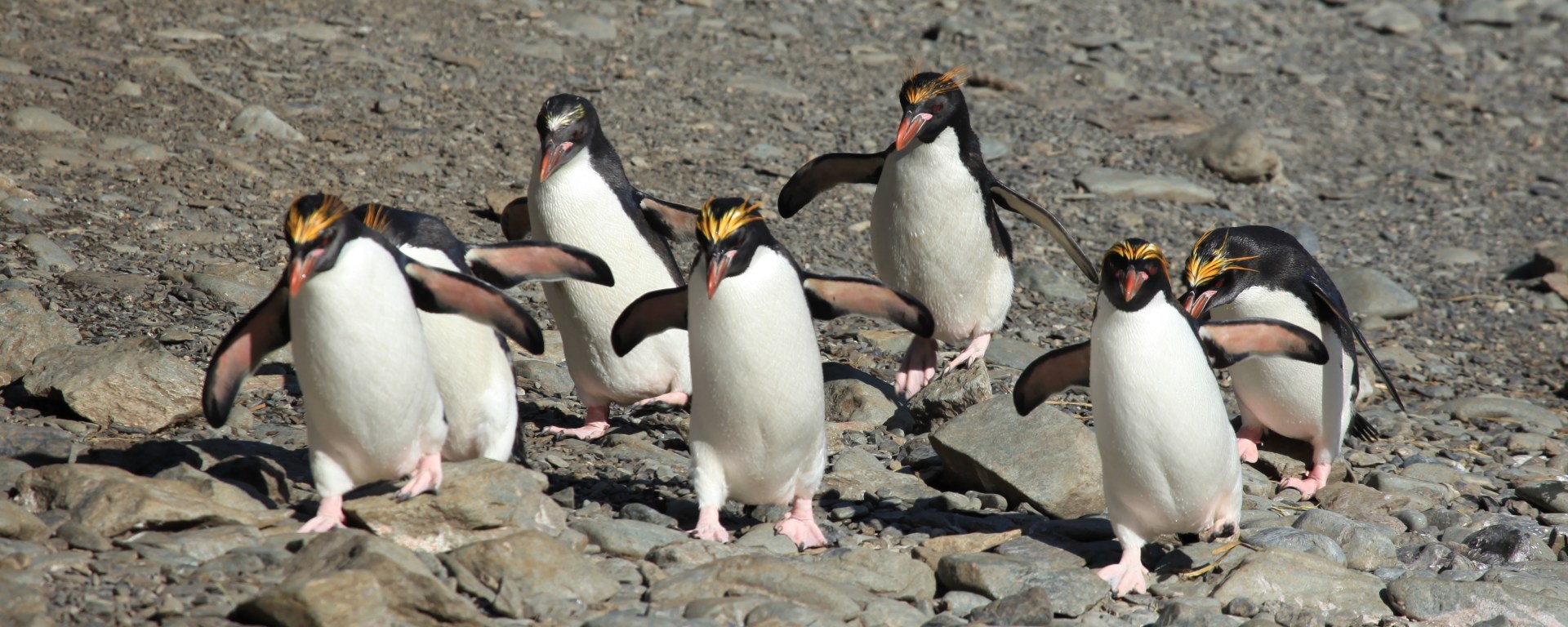
Figure 1: Macaroni Penguins at Cooper Bay, South Georgia.
The Macaroni Penguin (Eudyptes Chrysolophus) is a sub-Antarctic penguin species that typically lives in colonies on sub-Antarctic islands in the South Atlantic and South Indian Oceans. As of 2013, 6.3 million breeding pairs were found, a 30% decline from the last regional census in 1993. This drastic decrease in population has classified the species as “vulnerable” by the International Union for Conservation of Nature (IUCN). Furthermore, Macaroni Penguin colonies on the South Georgia island, which hosts one of the largest concentrations of Macaroni Penguins in the world, experienced a decline of 70% from the 1980s to 2000s. Climate change-induced variations in the Antarctic krill abundance and competition with Antarctic Fur Seals for resources are possible reasons for this decline. Stony Brook University researchers Madeline Hallet and Heather Lynch sought to provide updated information on the impacts of climate change on the abundance and distribution of Macaroni Penguin species.
The research team analyzed census data from various reference books and literature, recording the survey date, survey precision, source of each record, and location of the studied colony. The team compiled census data on the known Macaroni Penguin colonies to extrapolate findings for the total Antarctic population. The team estimated the population size for the Antarctic region by adding the most recently counted number of breeding pairs at all known colonies. For each colony, the percent change in population between the oldest and most recent records was calculated. They estimated the total Antarctic population of Macaroni Penguins to be 8,053 breeding pairs, a 10.7% increase since the 1993 census count of 7,274 pairs. 96% of the breeding pairs were found on Elephant Island or immediately adjacent islands.
As temperatures continue to rise on the Antarctic Peninsula and the Macaroni Penguins’ habitats become unsustainable, the team hypothesized that they will travel southward. Despite the decline of krill, Macaroni penguins are known to switch to myctophid fish and amphipods when krill abundance is low, possibly increasing Macaroni penguins’ resilience to shifts in the food web caused by climate change. The impacts of climate change on warming the Antarctic Peninsula will create more opportunities for Macaroni penguins’ nests as they require ice-free land to nest, but this places them in competition with other species due to competition for food, habitat, and space. Ultimately, an increased understanding of the movement of Macaroni Penguins is necessary to make more robust predictions of the species’ continuous movement due to climate change.
Works Cited:
[1] Hallet, M., Lynch, H.J. Update on the abundance and distribution of Macaroni Penguins (Eudyptes chrysolophus) in the Antarctic Peninsula region. Polar Biology 47, 607–615 (2024). https://doi.org/10.1007/s00300-024-03253-w
[2] Image retrieved from:
 Young Investigators Review