

Author: Farzad Hoque, Class of 2028
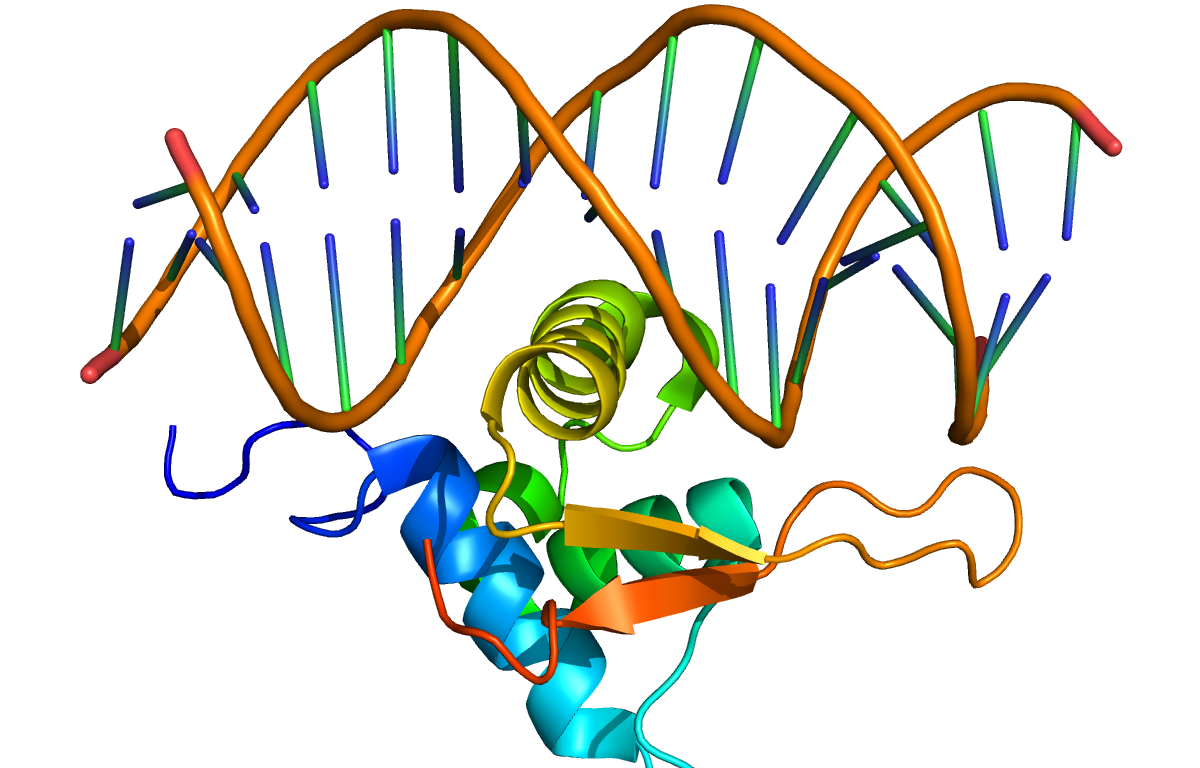
The persistence and effectiveness of chimeric antigen receptor (CAR) T-cell therapies depend significantly on the ability of these cells to maintain memory-like states while avoiding exhaustion. Recent research has identified the transcription factor FOXO1 as a critical regulator of memory programming in CAR T cells, offering transformative insights into improving therapeutic outcomes.
Alexander E. Doan and colleagues conducted a comprehensive study to investigate the role of FOXO1 in shaping CAR T-cell functionality. Through a combination of CRISPR-Cas9 gene editing, pharmacological inhibition, and overexpression models, they explored how FOXO1 influences the expression of memory-associated genes and mitigates exhaustion. CAR T cells lacking FOXO1 exhibited decreased expression of key memory markers, such as IL7R and CCR7, while showing elevated levels of exhaustion markers like TOX and CD39. This phenotypic shift impaired their antitumor activity and persistence, indicating that FOXO1 is essential for sustaining the therapeutic potential of CAR T cells.
In contrast, CAR T cells engineered to overexpress FOXO1 demonstrated significantly improved memory programming and resilience under chronic stimulation. These cells retained their metabolic fitness and maintained robust antitumor activity in both leukemia and solid tumor models. Interestingly, the study found that overexpressing another transcription factor, TCF1, failed to replicate FOXO1’s beneficial effects, underscoring the unique role of FOXO1 in memory programming.
To further understand FOXO1’s mechanisms, the researchers conducted RNA sequencing and chromatin accessibility analyses. These experiments revealed that FOXO1 overexpression enhanced the expression of genes linked to memory states and remodeled chromatin to establish an epigenetic landscape favorable for long-term T-cell persistence. Notably, the study demonstrated that FOXO1’s impact was independent of TCF7, suggesting a distinct pathway for promoting T-cell memory.
This study highlights FOXO1 as a pivotal factor in programming CAR T cells for durability and effectiveness in cancer immunotherapy. By enabling these cells to sustain memory-like states and resist exhaustion, FOXO1-based strategies can enhance CAR T-cell therapies’ efficacy across a wide range of cancer types. Future research may focus on optimizing FOXO1-driven interventions to refine T-cell engineering further and improve clinical outcomes.
Works Cited:
[1] Doan, A. E., Mueller, K. P., Chen, A. Y., Rouin, G. T., Chen, Y., Daniel, B., … & Weber, E. W. (2024). FOXO1 is a master regulator of memory programming in CAR T cells. Nature, 629(2), 211–217. https://doi.org/10.1038/s41586-024-07300-8[2] File:Protein FOXO1 PDB 3CO6.png. (2024, October 12). Wikimedia Commons. Retrieved 21:22, November 23, 2024 from https://commons.wikimedia.org/w/index.php?title=File:Protein_FOXO1_PDB_3CO6.png&oldid=939893151.
 Young Investigators Review
