

Author: Sean Krivitsky, Class of 2026

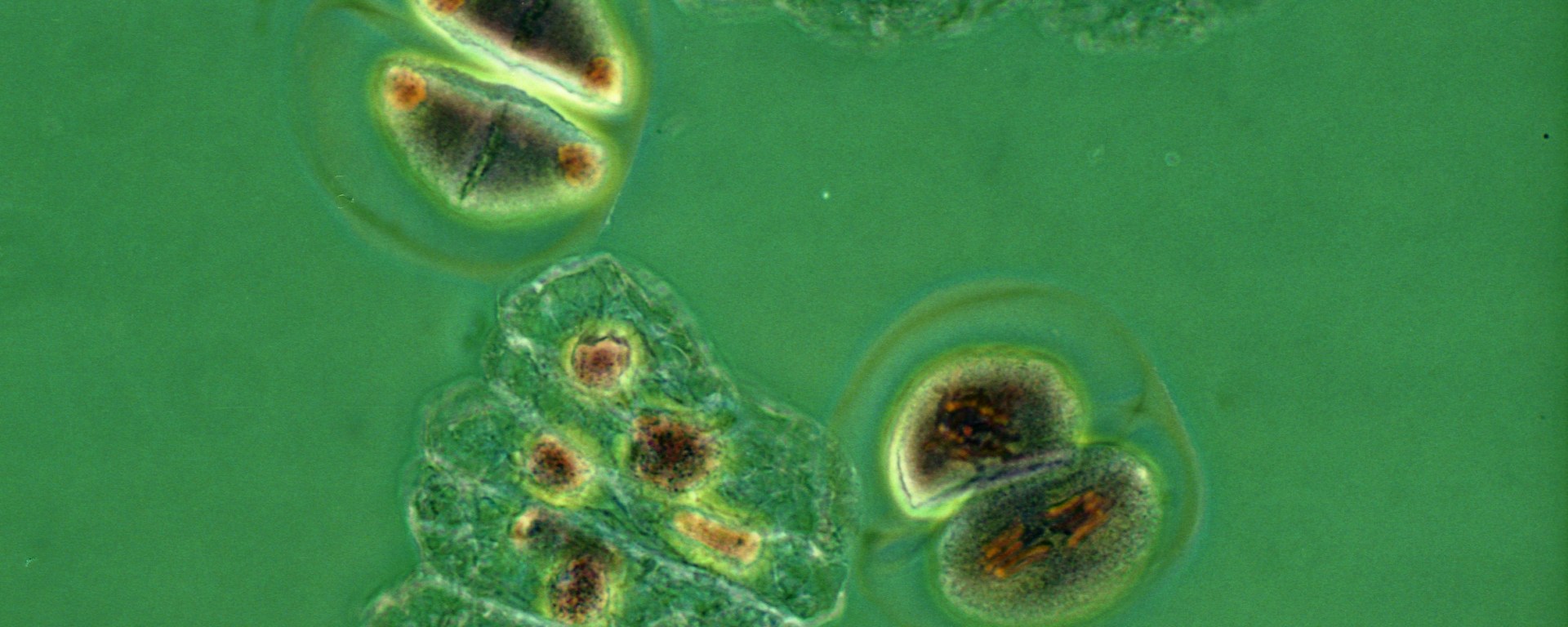
Figure 1. Image of cells at various stages of meiosis.
Meiosis is a key process underlying sexual reproduction and is responsible for the production of gametes, sperm, and eggs, which are necessary for fertilization. One important aspect of meiosis is that it contributes to the process of genetic diversification through genetic recombination, which involves the crossing over and independent assortment of chromosomes. During crossing over, double-stranded breaks (DSBs) form on homologous chromosomes, allowing for genetic material to be exchanged between the two chromosomes. Mek1, a protein kinase, is critical for genetic recombination and is activated in response to DSBs during meiosis. Recent work led by Qixuan Weng of the Hollingsworth lab at Stony Brook University sought to better understand the role of Mek1 in meiosis.
The Hollingsworth group employed Saccharomyces cerevisiae, a common budding yeast, as a model organism for this study. They used mutant yeast strains, yeast 2-hybrid assays, kinase assays, BLAST and Southern blot analyses, Western blot analyses, and AlphaFold Multimer protein interaction software to identify substrates of Mek1 and understand how this protein kinase interacts with its substrates. These techniques allowed them to identify Rrm3, a DNA helicase enzyme, and Ndt80, a meiotic recombination checkpoint regulator, as substrates of Mek1. This was done by purifying the protein and testing its binding in vitro. Specifically, a region of Mek1 called the FHA domain was identified to participate in noncanonical binding to an RPXKR motif found in a subset of its substrates, including Rrm3 and Ndt80. Furthermore, they used protein mutants of Mek1 and its substrates to confirm the specificity of Mek1’s protein-binding domain for the RPXKR motif. Additionally, they found an acidic loop region of the FHA domain that is required for Mek1’s interactions with these key proteins involved in the meiotic recombination checkpoint. Experimentation with mutant constructs of Mek1’s acidic loop region and its substrates also revealed its importance for kinase activation, meiotic chromosome segregation, the meiotic recombination checkpoint, and overall yeast gamete viability.
Ultimately, this research performed by the Hollingsworth lab provides necessary insights into the mechanism of meiotic recombination by characterizing key interactions between Mek1 and its substrates, Rrm3 and Ndt80. By considering the protein regions required for interactions of these map layers in meiosis that were identified in this study, future researchers can perform sequence similarity analyses to identify other proteins involved in meiosis and better understand the mechanism by which they function.
Works Cited
[1] Qixuan Weng, Lihong Wan, Geburah C Straker, Tom D Deegan, Bernard P Duncker, Aaron M Neiman, Ed Luk, Nancy M Hollingsworth, An acidic loop in the forkhead-associated domain of the yeast meiosis-specific kinase Mek1 interacts with a specific motif in a subset of Mek1 substrates, Genetics, Volume 228, Issue 1, September 2024, iyae106, https://doi.org/10.1093/genetics/iyae106
[2] Image retrieved from: https://commons.wikimedia.org/wiki/File:Meiosis_(254_30).jpg
 Young Investigators Review
.jpg)