

Jaenai Tercius, Class of 2028
A major form of pollution brought by industrial human activity is water pollution. Agriculture is a major contributor to water pollution due to runoff from nitrogen-based fertilizers, especially in coastal areas. Nitrogen is an essential nutrient for aquatic organisms, but when present in excess, nitrogen can lead to the overgrowth of organic matter and a decrease in oxygen in water, thereby damaging the overall ecosystem. In 2024, Stony Brook University researcher Elizabeth Watson along with other fellow researchers sought to provide evidence for the link between increased nitrogen content in water and the use of nitrogen-based fertilizers. Additionally, they analyzed the distance of the agriculture from the water as a possible factor for increased nitrogen content.
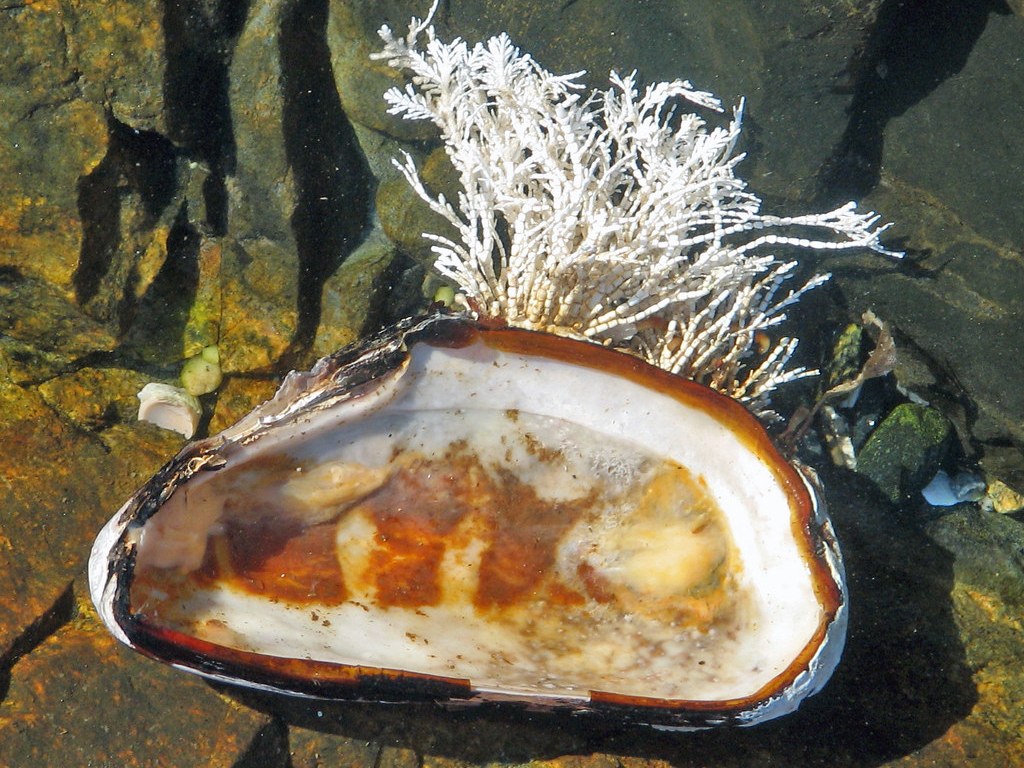
Shells of the bivalve species Mytilus (mussels) and Ostrea (oysters) were used. Live Mytilus and recently deceased Ostrea were collected in 2021, historical specimens of each species collected between 1933 and 1999 were obtained from the California Academy of Sciences museum, and Mytilus shell fragments dated from about 964 to 1760 were extracted from sediment cores collected in 2010. The shells of each specimen were drilled and analyzed for the Nitrogen-15 isotope on the Elementar Isotope Ratio Mass Spectrometer. Additionally, carbon and oxygen content was analyzed to help specify whether the nitrogen originated from marine or runoff sources.
A correlation was found between nitrogen content, the ages of the samples, and the distance from Monterey Bay: the further into central California the shells were, the more nitrogen they contained. Similarly, the historical and core-extracted shells contained less nitrogen than the shells collected in 2021. Ultimately, this indicates that human activity has not only affected aquatic ecosystems, but the proximity of the activity to those ecosystems matters if attempts to mitigate harm are implemented. The measurements of carbon and oxygen found also legitimized the correlations between the increased nitrogen content and agricultural fertilizer use.
The pollution of the earth’s water is not only a major problem for human consumption but also for the biodiversity of aquatic ecosystems. This study brings awareness of how our industrial activity and proximity to ecosystems such as oceans, lakes, and rivers affect other organisms, their habitats, and consequently, ourselves. Being able to quantify how much of an effect human agricultural and industrial activity has on the environment is a positive step to becoming more environmentally friendly as a society.

Figure 1. Bivalve shells such as those on the Mytilus genera can be used to measure the nitrogen content of the body of water they resided in.
Works Cited:
[1] L. Champlin, et al. Bivalve shells reflect 15N enrichment in a fertilizer-dominated estuary. Marine Pollution Bulletin 207. (2024). doi: https://doi.org/10.1016/j.marpolbul.2024.116902.
[2] Image retrieved from: https://www.flickr.com/photos/jsjgeology/49609915807/.
 Young Investigators Review