

Author: Antonia Truta, Class of 2028
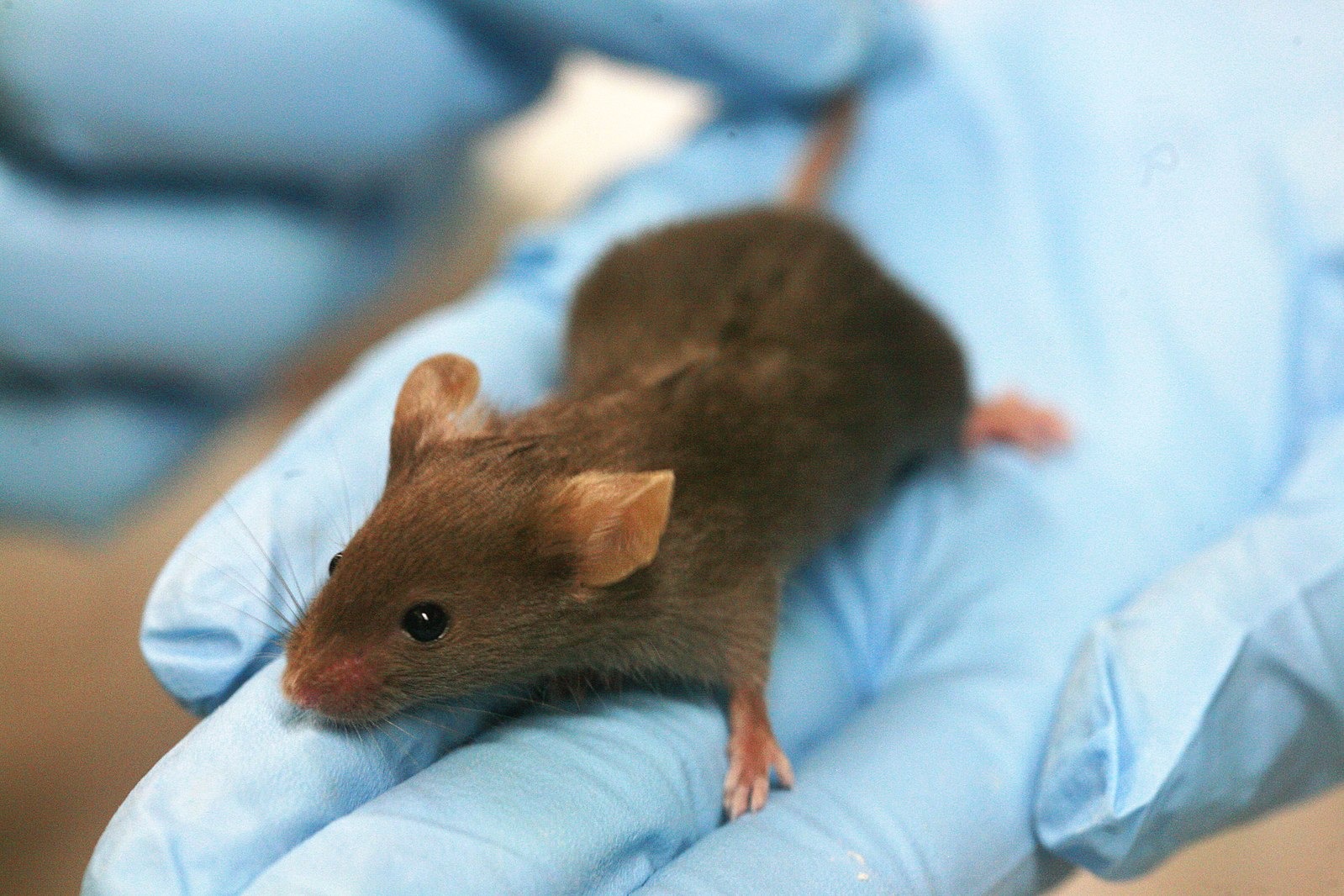
Is the use of animals in research for human benefit morally justified? If so, how can experiments maintain ethical integrity while still advancing scientific goals? Professor Marcel Mertz at Hannover Medical School and a diverse range of colleagues, including scientists, philosophers, and legal scholars, explore these questions with a focus on animal models in research.
The emerging field of animal research ethics, both interdisciplinary and international in scope, seeks to include animals in research in a way that is both ethically responsible and scientifically rigorous. Within this issue, there are challenges not only in experimental design but also in navigating complex ethical frameworks. To address these questions, insights from research ethics, animal ethics, science, and law must be integrated.
A key contribution of the article is the development of a seven-phase model of animal research:
Phase 0: Ethical, legal, and social presumptions
Phase 1: Planning of the research
Phase 2: Project evaluation and ethical review
Phase 3: Conduct of experiments
Phase 4: Publication and dissemination of results
Phase 5: Further exploitation of results
Phase 6: Evaluation and long-term reflection
The authors identify challenges associated with each phase. Notable ethical and legal concerns include normative pluralism, which refers to the wide range of opposing viewpoints on the ethics of animal use. Both public and academic opinions tend to be polarized, ranging from full acceptance to calls for abolition, and making consensus difficult. Challenges such as “Animal Rights and Consent,” referring to animals’ ethical treatment, highlight how discussions around animal research are typically dominated by human interests. Animals are unable to advocate for themselves or give informed consent, leaving them without protections or ethical representation. In Phase 3, the challenge of “Ensuring Animal Well-Being” stresses the importance of proper care, humane handling, and minimizing suffering. In Phase 5, the “Vicious Cycle of Animal Research” refers to systemic pressures that promote further animal experimentation in response to promising results, even when alternative or reductionist approaches might be possible.
Animal research ethics should not be confined to the lab or limited to abstract moral theories. Instead, it must be a practiced, applied field—informed by science, law, and public policy. Animal research ethics requires ongoing engagement, not only in academic discussions but in practical decision-making, experiment development, and public discourse. Ultimately, this journal article offers an entry point into a complex ethical conversation. It highlights the importance of addressing key challenges when moving animal research ethics from theory into practice. Looking towards the future, the authors posit that policy-level changes and greater public involvement are needed to ensure ethical practices. They push for stronger efforts to reduce or replace animal testing wherever possible.
Works Cited:
[1] Mertz, Marcel et al. “Interdisciplinary Animal Research Ethics-Challenges, Opportunities, and Perspectives.” Animals : an open access journal from MDPI vol. 14,19 2896. 8 Oct. 2024, doi:10.3390/ani14192896
[2] Image from https://commons.wikimedia.org/wiki/File:Lab_mouse_mg_3263.jpg
 Young Investigators Review
