

Author: Sajia Athai, Class of 2026
Just as cells comprise the fundamental units that make up an organism, livestock acts as the core of agriculture—anchoring growth across the world. As providers of food security to sustainability, livestock is an integral part of economic prosperity and animal diversity. Livestock is assessed on measures in the agricultural industry such as disease screening, mobility, fertility, and birth weight. Birth weight, a trait that dictates the reliability of livestock, is strongly associated with genetic variability and hereditary influence. With limited knowledge and tools previously available to study the causative genes affecting birthweight, modern studies reveal the correlation between birth weight and genes PLAG1, LCORL, and MSTN. A team of scientists led by Ran Li and Yuheng Bai, at the Key Laboratory of Animal Genetics in China, found that the utilization of low-coverage whole-genome sequencing (lcWGS) paves the way towards easy access to the cost-effective tool in identifying genes associated with birth weight.
The scientists utilized a sample of 3,007 Hu sheep from a region located in Shaanxi, China. The mean birth weight of all samples consisted of 3.30 kg, displaying a normal distribution. LcWGS was utilized, incorporating sequencing utilizing a DNBSEQ T7 platform, which is known for its reliability. GLIMPSE v2.0.0, a software tool, was used to allow for analysis of low-coverage data. Duplicates were removed, allowing for an accuracy of 97.8% by the end of the sequencing process. Through a combination of analyzing maternal factors, genetic effects such as presence of biomarkers, and population structure, the scientists were able to compile results locating expression of genes in specific chromosomal regions. The goal of the technique is to pinpoint the exact expression of genes and hereditary changes to better understand genome-enabled breeding and possible pleiotropy. Through the sequencing method, precise results were obtained, detailing two integral quantitative trait loci at chromosomes 6 and 9. In chromosome 6, colocalization with the FecB mutation was observed—which is linked to the decrease in litter size by 6.18%. In chromosome 9, PLAG1 expression indicated an increase of 9.85% increase in birth weight in heterozygotes. Three casual variants were found to be linked to pleiotropy—one gene influencing several traits—in the chromosomal regions. LcWGS yields important information regarding genetic heritability and expression that can help scientists better map sheep genome. Functional causation between PLAG1 and birthweight can create improved agricultural standards for sheep birthweight in the future.
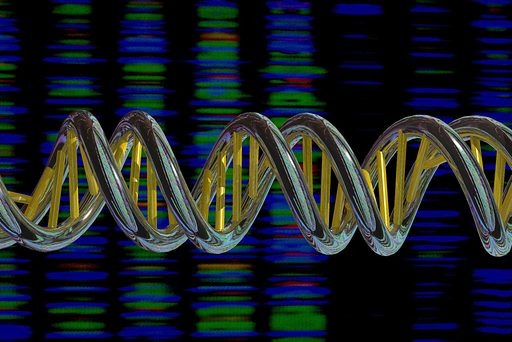
Figure 1. The method lcWGS paves the way towards genome mapping and gene analysis in livestock to better understand changes in birth weight.
Works Cited
[1] Li, R., Bai, Y., Zhao, M. et al. Fine mapping genetic variants affecting birth weight in sheep: a GWAS of 3007 individuals using low-coverage whole genome sequencing. J Animal Sci Biotechnol 16, 115 (2025). https://doi.org/10.1186/s40104-025-01251-4
[2] Image retrieved from https://www.lookandlearn.com/history-images/YW004874B/DNA-double-helix-and-sequencing-output
 Young Investigators Review