

Author: Sajia Athai, Class of 2026
Looking through URECA presentations every year, posters detailing scientific protocols and findings of undergraduate students cover the corners of the room. Undergraduate Advisor for Biochemistry and Animal Development Professor, Dr. Bernadette Holdener, leads her team of mentees in understanding how protein O-glucosyltransferase 2 and 3 (POGLUT2/3) is integral to separation of digits during limb development in mice. Dr. Holdener’s publication details stages such as digit–interdigit periodicity, remodeling, and epithelial tongue invagination. To analyze how the protein plays an integral role in limb development, the team studied the fusion of digits 2 and 3 in double knockout (DKO) mice.
The enzymes POGLUT2/3 are known for their abilities to add O-linked glucose to EGF-like repeats in proteins—resembling molecular machines that add sugars to signal communication amongst molecules. Some known substrates that bind to the enzymes include Fibrillin 2 (FBN2) and Nidogen 1 and 2 (NID1/2). The loss of FBN2 or NID1/2 causes fusion of digits, also referred to as syndactyly. This piece of the molecular puzzle strongly correlates the role of O-glucosylation in affecting the localization of these enzymes in proteins.
Skeletal structures of rats extracted from E14.5 and E18.5 embryos were prepared, washed and mounted in phosphate buffered saline at a pH of 7.4 before imaging. Through histology techniques and immunostaining, tissue samples were collected for assessment.
With the application of statistical and imaging analyses, new findings revealed reorganization and localization of enzymes during stages of digit separation. It was found that the FBN network participates in reorganization during separation along with the observation of irregular FBN levels. The spacing patterns of microfibrils were inconsistent, disrupting the proper formation of tissues. Reduced BMP signaling—imperative to digit separation—revealed disruptions in the processes of interdigital mesenchyme remodeling, a major focus of the experiment.
Ultimately, it was concluded from the study that O-glucosylation via POGLUT2/3 is critical to the organization pattern of FBN microfibrils in maintaining normal interactions with other molecules. If O-glucosylation is inhibited or absent, ECM structural activity is heavily impacted, leading to fusion of digits rather than separation. Dr. Holdener’s research can be utilized to better understand morphogen signaling and create models that exhibit syndactyly in humans and other organisms, allowing for close detection of these stages in organism development. Her research—shown through her passion of teaching Animal Development—paves the way towards understanding the developmental stages organisms undergo to reach their adult form.
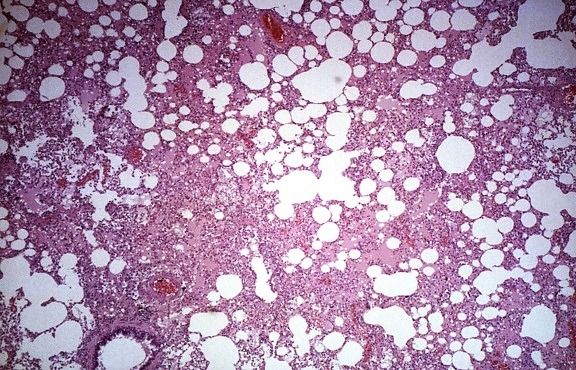
Figure 1. Immunostaining utilizing hematoxylin and eosin reveals the role of O-glucosylation in signaling and structural activity.
Works Cited
[1] Sanjiv Neupane, Isabella A. Janowicz, Alan R.F. Godwin, Kaitlyn E. Donnelly, Richard C. Grady, Robert S. Haltiwanger, Clair Baldock, Bernadette C. Holdener,POGLUT2/3 mediated EGF O-glucosylation promotes separation of digits 2 and 3 by influencing fibrillin network reorganization, signaling, and cell dynamics,Developmental Biology, Volume 527, 2025, Pages 147-164, ISSN 0012-1606,https://doi.org/10.1016/j.ydbio.2025.08.004. (https://www.sciencedirect.com/science/article/pii/S0012160625002210)
[2] Image retrieved from
 Young Investigators Review