
Presence of Social Supports Counteracts Physical Brain Changes Associated with Dementia

Vignesh Subramanian ’24 Alzheimer’s disease and related disorders (ADRD) are neurodegenerative dementias that cause progressive loss of memory, critical thinking skills, and behavioral capabilities that typically worsen with age. However, certain older adults with significant degrees of ADRD-associated pathologies are not as vulnerable to the age- or disease-related physical changes in the brain that precede the development of dementia. These adults are classified as “cognitively … Continue reading Presence of Social Supports Counteracts Physical Brain Changes Associated with Dementia

Early Bird or Night Owl? Circadian Preferences May Include Short-Term Memory and Cognition

Joyce Chen ’23 Circadian rhythms are notably known as the body’s master clock. They regulate important physical and behavioral effects within the body by reacting to light and darkness. Interestingly, an individual’s preference for being an early bird or a night owl is determined by circadian preference, also known as chronotype. Chronotype impacts the desire for earlier or later sleep by combining circadian rhythms and … Continue reading Early Bird or Night Owl? Circadian Preferences May Include Short-Term Memory and Cognition

Antipsychotics May Increase Risk of Dementia in Schizophrenic Patients

Vignesh Subramanian ’24 Schizophrenia is a psychotic disorder characterized by disorganized behavior, lack of emotional expression, and thoughts and experiences dissociated from reality. Patients who present such symptoms have elevated levels of the neurotransmitter dopamine, the ‘feel-good’ hormone responsible for mediating pleasure and stimulating neurons to carry out vital functions like concentration and motor control. Patients with schizophrenia are prescribed antipsychotic medications, which block binding … Continue reading Antipsychotics May Increase Risk of Dementia in Schizophrenic Patients

Microglial Activation Promotes AD-Affiliated Plaque Formation

Vignesh Subramanian ’24 Alzheimer’s disease (AD) is a neurodegenerative disorder and form of dementia that causes progressive loss of memory, critical thinking skills, and behavioral capabilities. The disease is characterized by the extracellular aggregation of beta (β)-amyloid plaques. These buildups gradually interfere with proteostasis, the regulation of protein synthesis and degradation, and decrease levels of neurotransmitter signaling between neurons. However, the failure of microglia – … Continue reading Microglial Activation Promotes AD-Affiliated Plaque Formation

High salt intake can lead to autism-like symptoms in infants

Joyce Chen ’23 Autism spectrum disorder (ASD) is a neurodevelopmental disorder that affects 1% of individuals worldwide. Although there has been extensive research done on ASD, its primary cause remains unknown. Scientists believe that it is the result of a wide variety of heritable and environmental factors. However, recent research has indicated that an altered gut microbiome caused by a poor diet can lead to … Continue reading High salt intake can lead to autism-like symptoms in infants

Brain Imaging May Prevent Obesity and Linked Psychological Behaviors

Sooraj Shah ’24 Obesity rates in the United States, approaching almost 70% for men and 62% for women, are concerning, especially since obesity is associated with several other conditions such as heart attacks and diabetes. While the classic solution is exercise and proper diet maintenance, the ability to predict and prevent obesity has become a topic of research. A study led by Dr. Anat Biegon, … Continue reading Brain Imaging May Prevent Obesity and Linked Psychological Behaviors

Stressful life events affect hormone levels in children undergoing puberty

Joyce Chen ’23 Puberty is a physiological developmental process that every child undergoes during their preteen years. It occurs through the production of a wide variety of hormones within the body. Specifically, the hypothalamic-pituitary-gonadal (HPG) axis and the hormone dehydroepiandrosterone (DHEA) are involved in initiating an upregulation of hormonal changes, leading to the secretion of the sex hormones testosterone and estrogen. Recent research indicates that … Continue reading Stressful life events affect hormone levels in children undergoing puberty

D-Serine Infusion Mitigates Neuronal Losses Preceding Temporal Lobe Epileptic Attacks

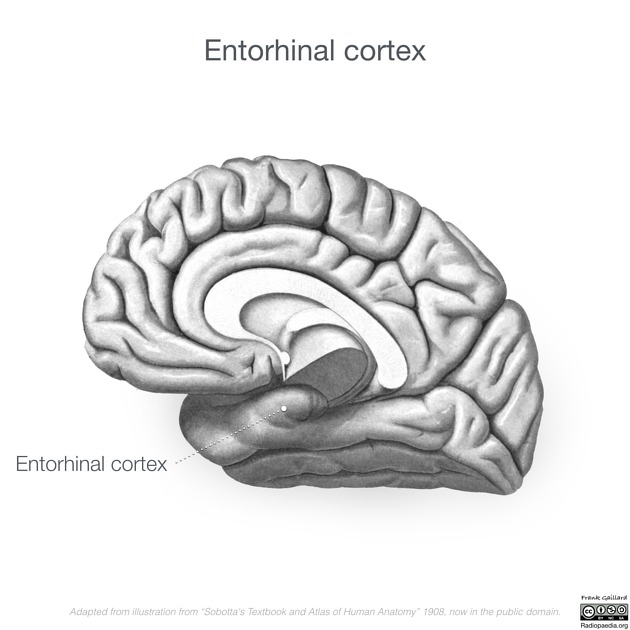
Vignesh Subramanian ’24 Temporal lobe epilepsy (TLE) is the most common form of both focal epilepsy – the recurrence of seizures in one hemisphere of the brain – and drug resistant epilepsy. The disease is characterized by neuronal cell death in Layer 3 (L3) of the medial entorhinal area (MEA), the internal region of the temporal lobe constituting memory and higher-order cognitive functioning. Recent studies … Continue reading D-Serine Infusion Mitigates Neuronal Losses Preceding Temporal Lobe Epileptic Attacks

Presynaptic Inhibition of GABAA Receptors Possible in Thalamocortical Circuits

Vignesh Subramanian ’24 A number of neurodegenerative disease processes, including those of temporal lobe epilepsy, GABA-transaminase deficiency, and traumatic brain injury, involve disruptions to the signalling pathway of gamma-aminobutyric acid (GABA), the chief inhibitory neurotransmitter of the central nervous system. Conventional understanding divides the ability of GABA to block neural signaling into ‘presynaptic inhibition’ – involving suppression of glutamate release,  an excitatory counterpart neurotransmitter – … Continue reading Presynaptic Inhibition of GABAA Receptors Possible in Thalamocortical Circuits

Priming of long-term memory from initial experience alters future learning

Joyce Chen ’23 One of the most fascinating things about the brain is its malleability. When humans learn, whether it be in the classroom or from an experience, the brain produces new neurons so that the information can be recalled in the future. This is a process known as neuronal plasticity. Although there is plenty of research surrounding this area, there is still much more … Continue reading Priming of long-term memory from initial experience alters future learning

Differences of Cognitive Offloading Usage among Individuals Performing Short Term Memory Tasks

Sooraj Shah ’24 Recalling a lot of information at one time is possible, but not feasible. Writing information down on a paper during a class or in the grocery store, for instance, are ways to reduce the strain of memorization within an individual. This concept is further defined as cognitive offloading, which can assist in overcoming the cognitive restraints in mentally retaining information. A study … Continue reading Differences of Cognitive Offloading Usage among Individuals Performing Short Term Memory Tasks

Lower reaction levels in mothers to their child result in insensitive parenting

Joyce Chen ’23 A mother’s greatest task is to provide a nurturing environment for her child to grow, blossom, and thrive in. The absence of maternal love in a child’s life will cause a strain on the bond between the mother and her child. These neglectful mothers, also known as high-risk mothers, have insensitive reactions to their children’s needs. They rarely respond to their children’s … Continue reading Lower reaction levels in mothers to their child result in insensitive parenting