

Vignesh Subramanian ’24
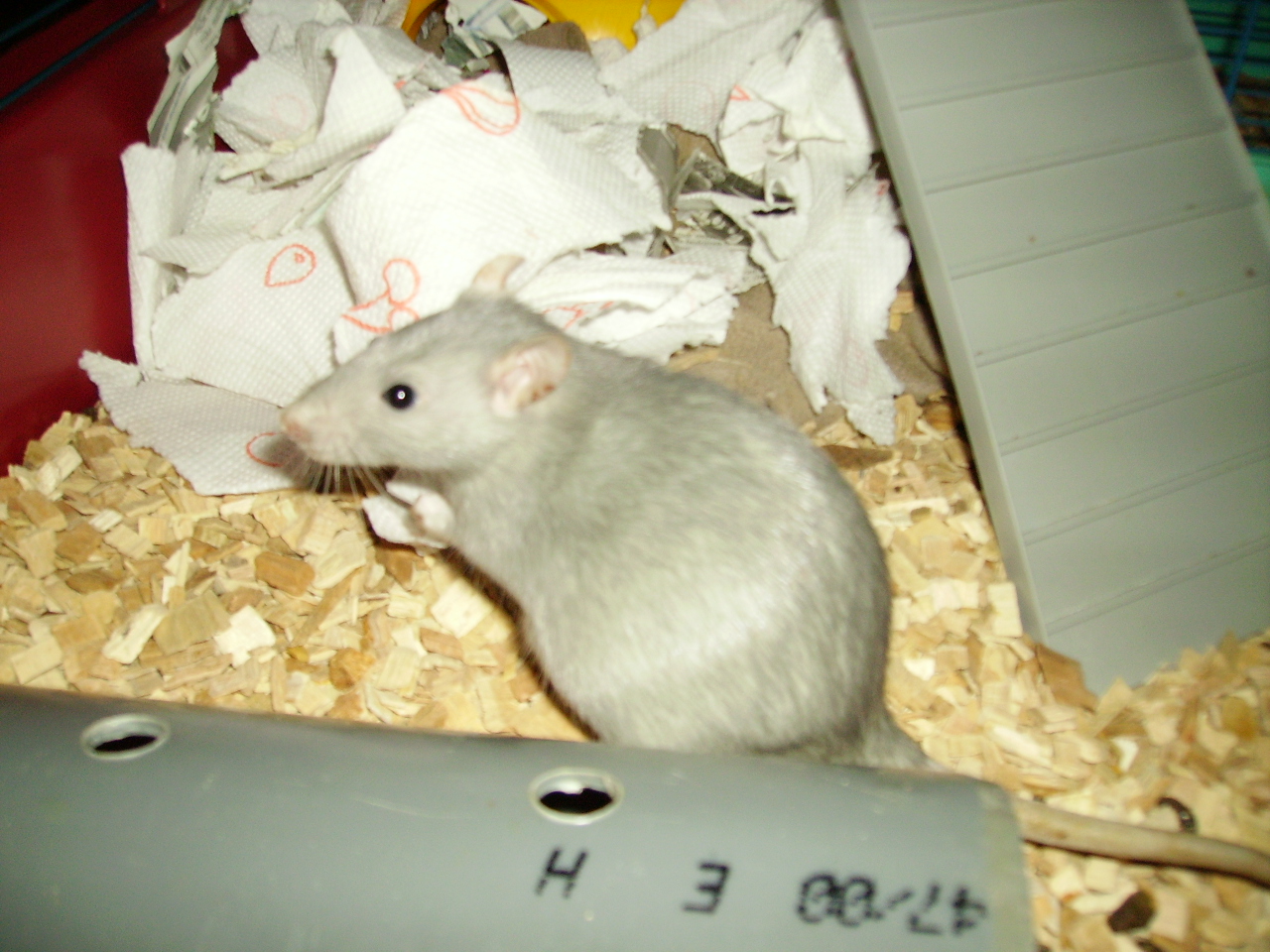
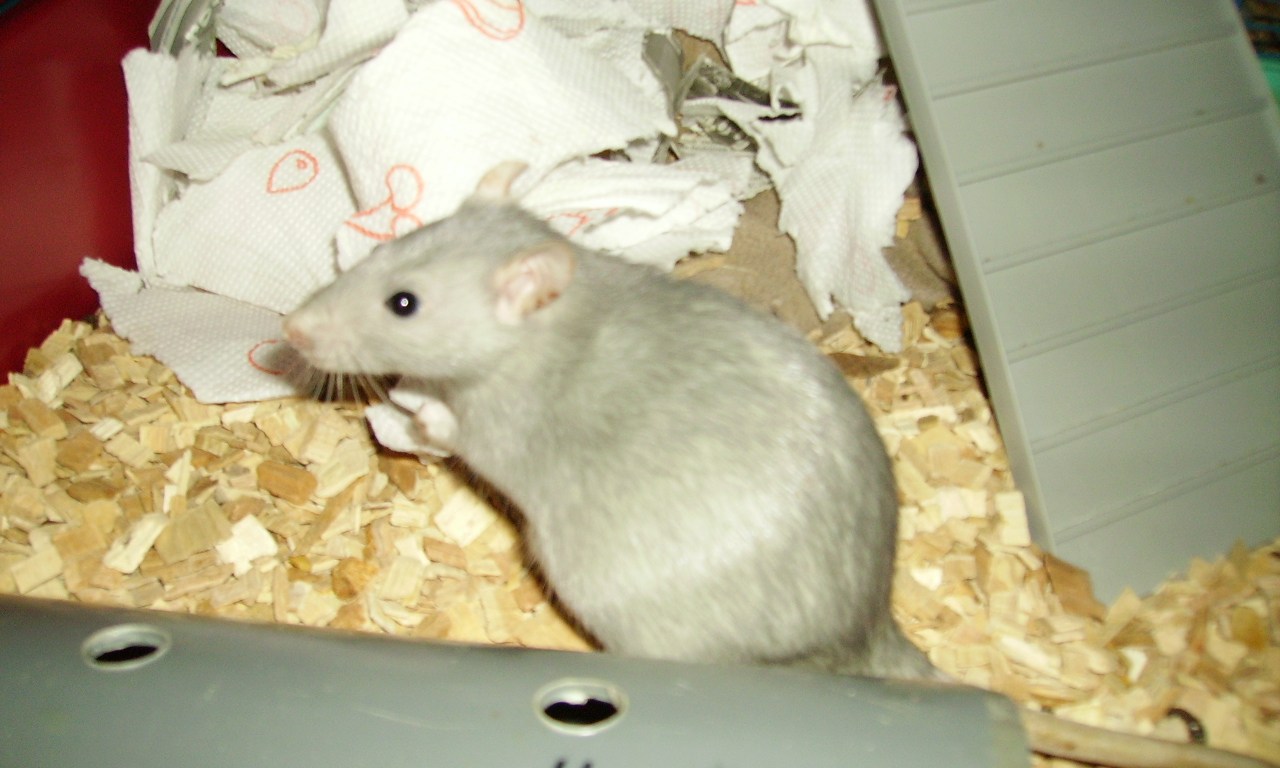
The period during and immediately following childbirth, known as the peripartum period, is marked by major changes in the mother’s hormone levels, immune function, and neurological activity. These changes include structural brain alterations with a significant impact on postpartum behaviors, such as maternal-infant bonding, that are essential for the well-being of the offspring. Many neuroimmune alterations emerging in late pregnancy remain unclear in their functional impact, which may differ significantly from their ordinary roles in the adult brain. A key example of this is the role of microglia, supportive immune cells that ordinarily monitor and protect neurons by clearing tissue debris when activated. While they normally play a largely homeostatic neuroprotective role, microglia have been found to be depleted in the brains of pregnant rats near the end of the peripartum period, just as they began to display increased attentiveness and care for newborn pups.
Researchers led by Dr. Courtney Dye of Ohio State University aimed to build on these findings and better understand the correlation between microglial depletion and the onset of maternal behavior. The researchers first treated nulliparous (never before pregnant) female rats with a receptor antagonist drug to induce significant microglial depletion (by an average of 75% across all targeted brain regions). The treated rats were then continuously exposed to foster pups taken from pregnant rats serving as surrogates; following rapid sensitization, open field tests were conducted to observe the instinctive reactions of the nulliparous female rats. Finally, the rats’ brains were extracted, with tissue sections undergoing immunofluorescent imaging for shifts in the cell counts of delta-fosB+, a marker of neuronal activation following repeated exposure to stimuli highlighting how brain activity had changed regionally following microglial depletion.
The researchers found that female rats with downregulated microglia as a result of the drug treatment displayed greater curiosity about, attentiveness to, and interaction with foster pups, and were less fearful or anxious about their presence. These findings presented the strongest evidence yet that physiological manipulations of microglia levels are directly linked to the initiation of maternal caregiving behaviors, even in animals that had not themselves undergone pregnancy. The researchers also noted elevated counts of delta-fosB+ cells in the prefrontal and somatosensory cortices of the rats’ brains – reward system-related regions through which the dopaminergic signaling pathways that drive maternal instincts like pup-directed licking, sniffing, and retrieval pass. The increased cell counts support the theory that microglia depletion can shape broad-based neuroplasticity across the maternal brain network.
Works Cited:
[1] C. Dye, et al., Microglia depletion facilitates the display of maternal behavior and alters activation of the maternal brain network in nulliparous female rats. Neuropsychopharmacology (2023). doi: 10.1038/s41386-023-01624-1
[2] Image retrieved from: https://commons.wikimedia.org/wiki/File:Rat_pregnant.jpg
 Young Investigators Review
