

Sean Krivitsky ‘27

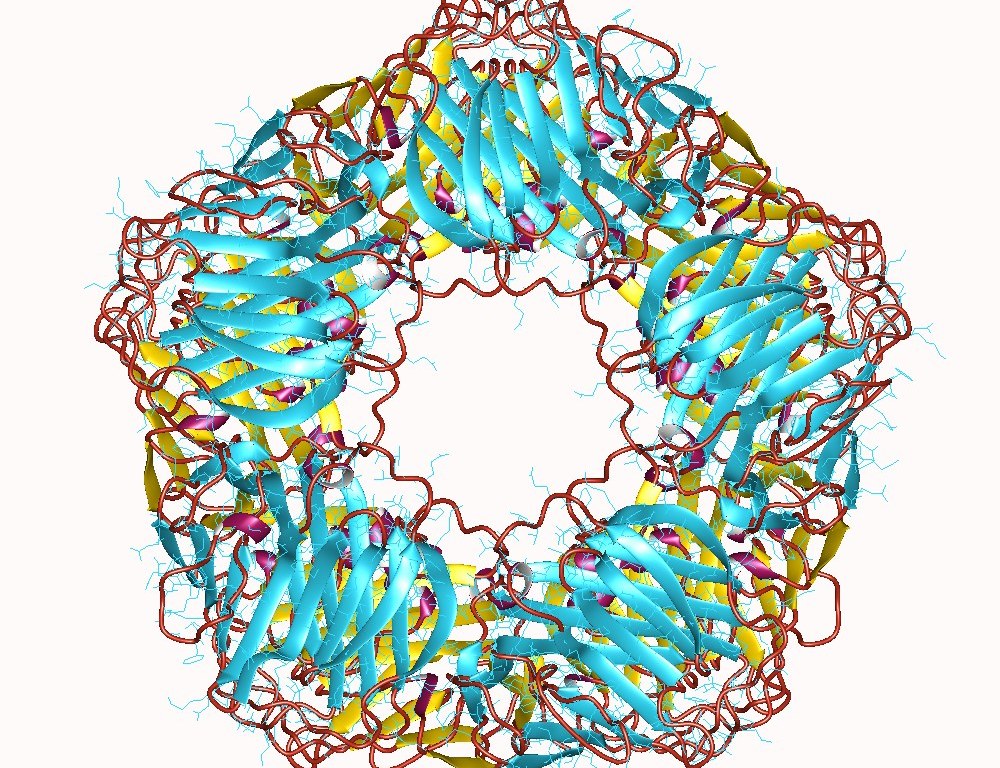
Figure 1. C-reactive protein (CRP) is an acute phase protein, which means that its expression increases when inflammation occurs, making it a useful inflammatory marker.
Social relationships have long been recognized as playing an important role in both mental and physical health, and a groundbreaking study has demonstrated that they may influence inflammation. Recent research published in January of 2023 by Tatum Jolink, a researcher from the University of North Carolina at Chapel Hill, and his collaborators have redefined the dynamics of romantic relationships and their impact on human health. They linked regular co-presence with a romantic partner to a downregulation of inflammatory markers, namely C-reactive protein (CRP). CRP has been identified as a key inflammatory marker because it is an acute phase protein, which is a protein upregulated during inflammatory responses.
Although most previous studies on the connection between inflammation and close social connections have investigated the influence of the quality of those relationships, researchers found that inflammation can be reduced simply by being in the presence of your romantic partner. Given the high likelihood of increased time spent together in high-quality romantic relationships, the researchers chose to focus on the time spent with a romantic partner in their investigation attempting to link close social relationships to systemic inflammation. Previous studies linking social isolation to elevated levels of inflammatory markers such as CRP have also further supported the course of action taken by this research group.
The research team approached the problem of linking co-presence with inflammation by measuring the time spent co-present with a romantic partner and by collecting blood samples from participants for CRP-level testing. This testing was conducted over a period of a month and three blood samples were taken throughout this time: at the beginning of the study, after two weeks, and again after four weeks. Additionally, to normalize the results for considerations made in previous literature, these researchers also took into account the relationship’s quality, the presence of any hostility between partners, and loneliness felt by participants.
Through the multilevel analyses conducted by this research team to compare their measurements of co-presence and CRP levels, it was determined that increased time spent in the presence of a romantic partner does, in fact, lead to lower CRP levels and, thus, lower levels of inflammation. Given that high CRP levels and increased inflammation can often lead to poor physical health, these recent findings provide crucial insight for methods with which you can improve not only your mental health, but also your physical health when you are in a vibrant relationship.
Works Cited
[1] T. Jolink, et al., Everyday co-presence with a romantic partner is associated with lower C-reactive protein. Brain, Behavior, and Immunity 107, 132-139 (2023). doi: 10.1016/j.bbi.2022.09.007.
[2] Image retrieved from: https://commons.wikimedia.org/w/index.php?curid=48602470
 Young Investigators Review