


Tiffany Ang, Class of 2025
The Powassan virus (POWV) is a member of the Flavivirus genus, an enveloped, positive-strand RNA virus transmitted by arthropod vectors, such as ticks. POWS is present in tick saliva and initially causes an asymptomatic infection. However, it can progress to cause encephalitis, brain inflammation, and neuronal cell depletion, among other central nervous system (CNS) damage. The study aims to examine the neuropathology of POWV, for which there are no clinically approved therapeutics or vaccines for POWV.
The POWV strain LI9 was isolated from lxodes ticks and amplified in Vero cells. C57BL/6 mice, a common strain of laboratory mice, were infected by subcutaneous injection. Postmortem, brains were harvested, fixed in formalin, sectioned, and stained with hematoxylin and eosin by the Stony Brook University Histology Core Lab. Dr. Mladinich and colleagues stained brain tissue with Iba1+, a marker for microgliosis or the proliferation of microglia, as well as for macrophages, astrocytes, and CD4 and CD8 T cells. Microglia and macrophages mediate neurodegenerative and neuroprotective responses during neuroinflammation, astrocytes regulate the blood-brain barrier, and CD4 and CD8 T cells regulate immune responses against pathogens.
Dr. Mladinich and colleagues concluded that POWV LI9 lethality in C57BL/6 mice is age-dependent. When they stained for Iba1+, they observed increased gliosis, indicating CNS damage. Microglia and macrophages direct neurodegenerative mechanisms and produce T helper (Th) cells and Th-1 cytokines, which activate M1 microglial responses, leading to ineffective POWV clearance from the host. Macrophages also mediate neuroprotective mechanisms by producing anti-inflammatory Th-2 cytokines and activating M2 microglial responses, which promote neuroprotection, CNS repair, and POWV clearance from the host. Dr. Mladinich’s team also found that POWV invades microvascular endothelial cells (hBMECs) that form the blood-brain barrier, suggesting the virus can enter neuronal compartments.
Additionally, they observed few CD4 (helper T cells) and CD8 (cytotoxic T cells) infiltrates, suggesting a delay in virus clearance, leading to chronic activation of microglia and astrocytes. They established that neuroprotective cytokines are observed in young mice, whereas neurodegenerative cytokines are present in aged mice. Thus, Dr. Mladinich and his team established that CD4 and CD8 T cells contribute to long-term CNS inflammation in POWV survivors. Finally, Dr. Mlandinich’s team demonstrated that damage to the CNS following POWV infection is age-dependent, although the mechanisms underlying age-related POWV lethality remain unclear.
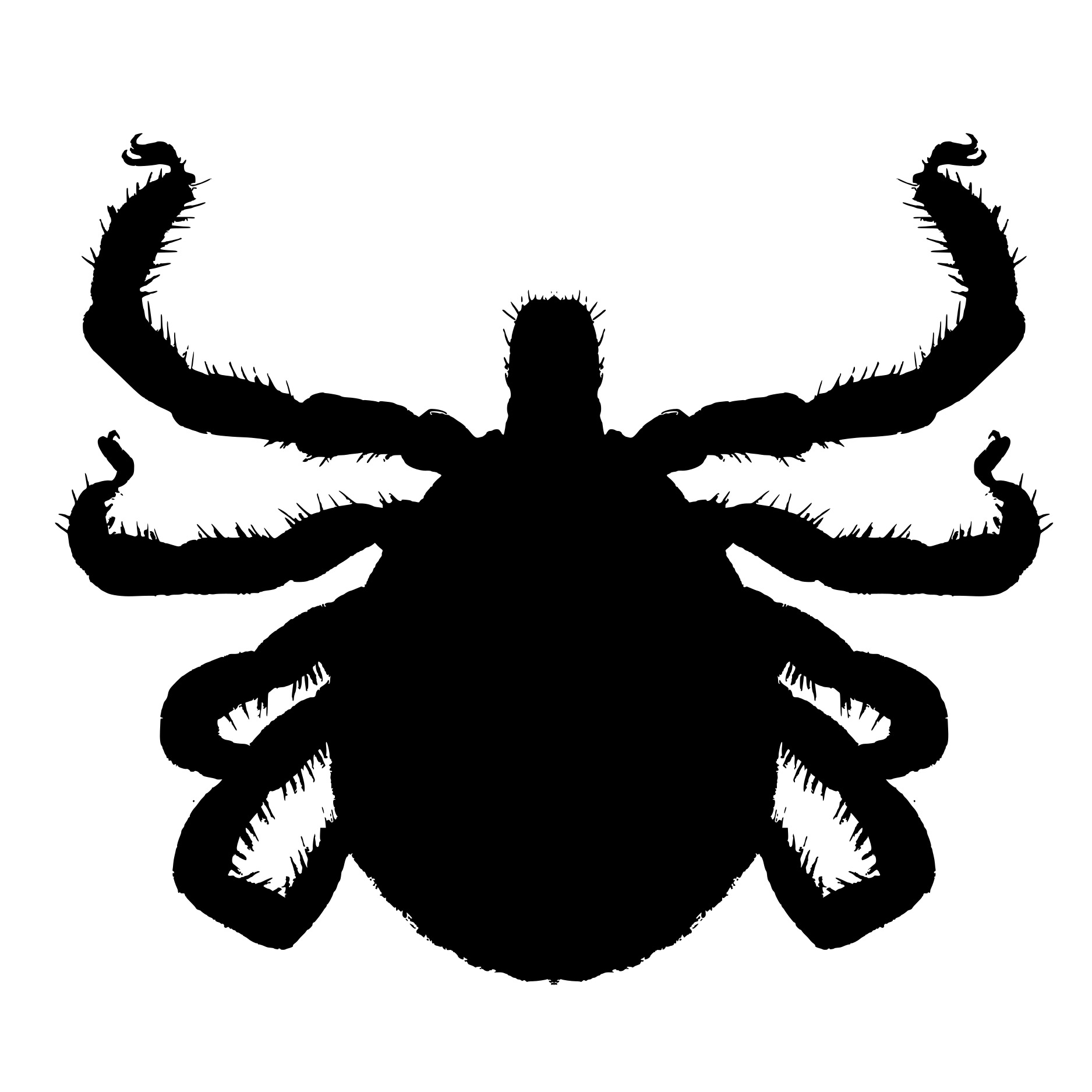
Figure 1: Black-legged or deer ticks are carriers of the Powassan virus.
Works Cited:
[1] M. Mladinich, et al., Age-dependent Powassan virus lethality is linked to glial cell activation and divergent neuroinflammatory cytokine responses in a murine model. Journal of virology vol. 98,8 (2024): e0056024. doi:10.1128/jvi.00560-24.
[2] Image retrieved from: https://commons.wikimedia.org/wiki/File:Ixodid_outline.svg
 Young Investigators Review
