

Author: Diego Javier, Class of 2026
A concern that is emerging worldwide is plastic contamination in agricultural soils. Farmers frequently use plastic mulching films in order to improve crop yields and control weeds. However, these films can break down into tiny fragments, called microplastics, which are then ingested by soil organisms like earthworms and can affect soil health. In order to better understand these effects, Finnish researcher Venla Forsell and her colleagues studied the earthworm Eisenia andrei, exposing them to both conventional low-density polyethylene (PE) microplastics and biodegradable polybutylene adipate terephthalate (PBAT) microplastics at concentrations mimicking both typical environmental levels and extreme levels of contamination.
The researchers studied several key variables: earthworm survival, growth, reproduction, and biochemical markers of oxidative stress (an indicator of cellular damage caused by an imbalance of oxygen molecules). They also monitored several soil properties, including pH and water-holding capacity, because microplastics can alter the physical environment in a way that can influence organisms.
The results revealed that while neither type of microplastic caused significant earthworm mortality, they did affect growth. PE microplastics reduced growth slightly at higher concentrations, while low levels of PBAT induced growth. Reproduction largely remained unaffected, but PE exposure displayed a slight decrease in the number of juvenile earthworms at higher concentrations. In addition to this, the highest concentration of PBAT exposure led to smaller juvenile mass.
When analyzing biochemical markers, it was found that both microplastic types caused oxidative stress, although different stress markers were affected. PE caused an increase in activity in enzymes such as catalase, which helps break down harmful hydrogen peroxide in cells, and glutathione reductase, an enzyme that regenerates antioxidants to protect cells from damage. PBAT exposure reduced the activity of superoxide dismutase, an enzyme that converts damaging superoxide radicals into less harmful molecules, which caused an increase in lipid peroxidation levels, an indicator of cell membrane damage. The researchers also observed that higher microplastic concentrations increased soil pH and water-holding capacity, possibly contributing to the changes in the earthworms.
Overall, this study demonstrates how harmful something miniscule as microplastics can be, since it was found that it can alter earthworm physiology and affect soil conditions. The findings contributed to our understanding of microplastics and emphasized the importance of monitoring and managing microplastic contamination. By bringing these long-term effects to light, the study highlights the potential long-term consequences for soil health and ecosystem stability.
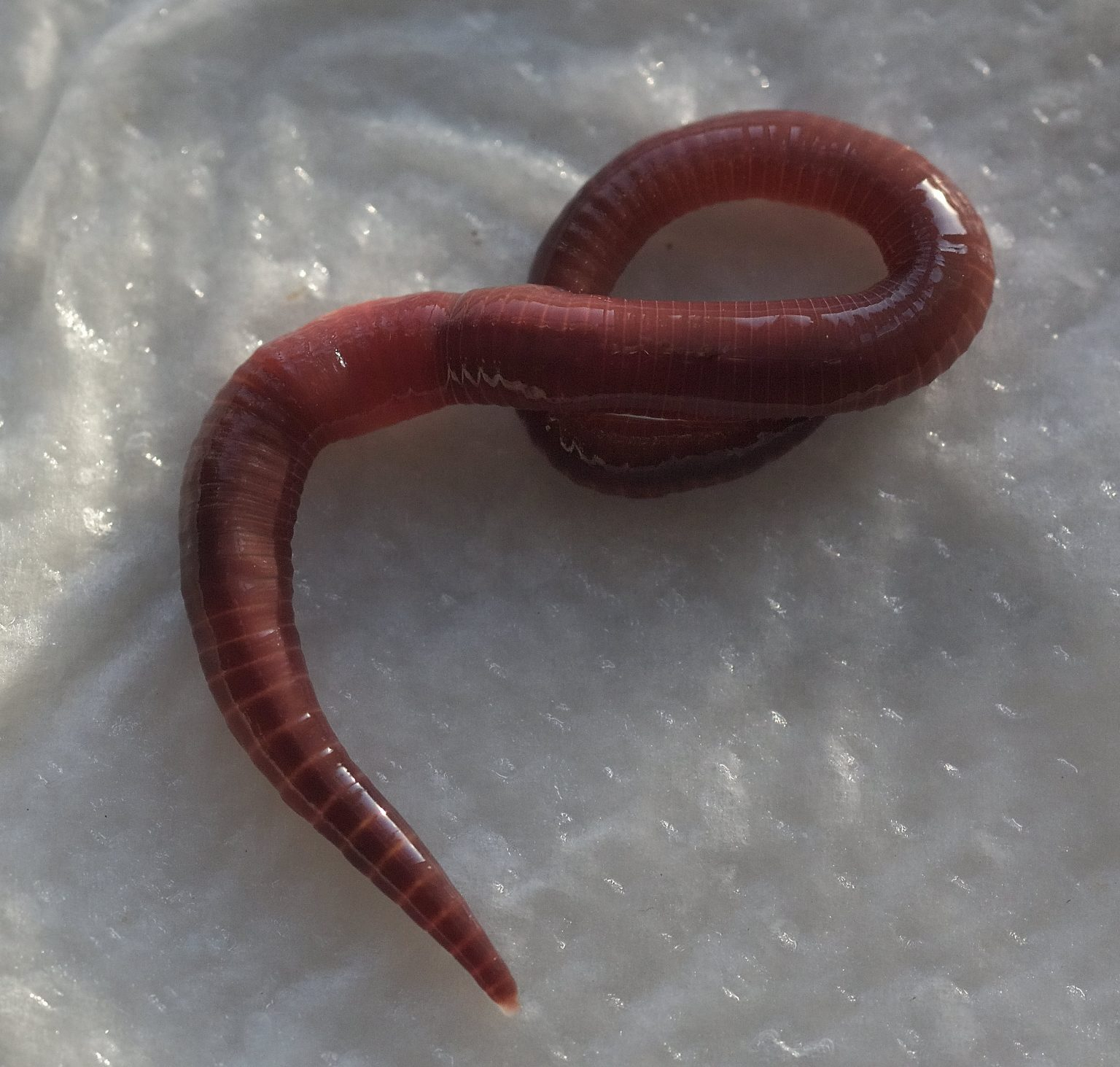
Figure 1. Earthworm (Eisenia andrei), the species used in the study to assess the effects of microplastic exposure on soil health and physiology.
Works Cited:
[1] Forsell, V., Saartama, V., Turja, R., Haimi, J., & Selonen, S. (2024). Reproduction, growth and oxidative stress in earthworm Eisenia andrei exposed to conventional and biodegradable mulching film microplastics. The Science of the total environment, 948, 174667. https://doi.org/10.1016/j.scitotenv.2024.174667
[2] Image retrieved from: https://www.biaslabs.co.uk/species/eisenia-andrei/
Image option: https://commons.wikimedia.org/wiki/File:Lumbricus_castaneus_%28Finland%29.jpg
 Young Investigators Review
