

By Anthony Barone, Class of 2029
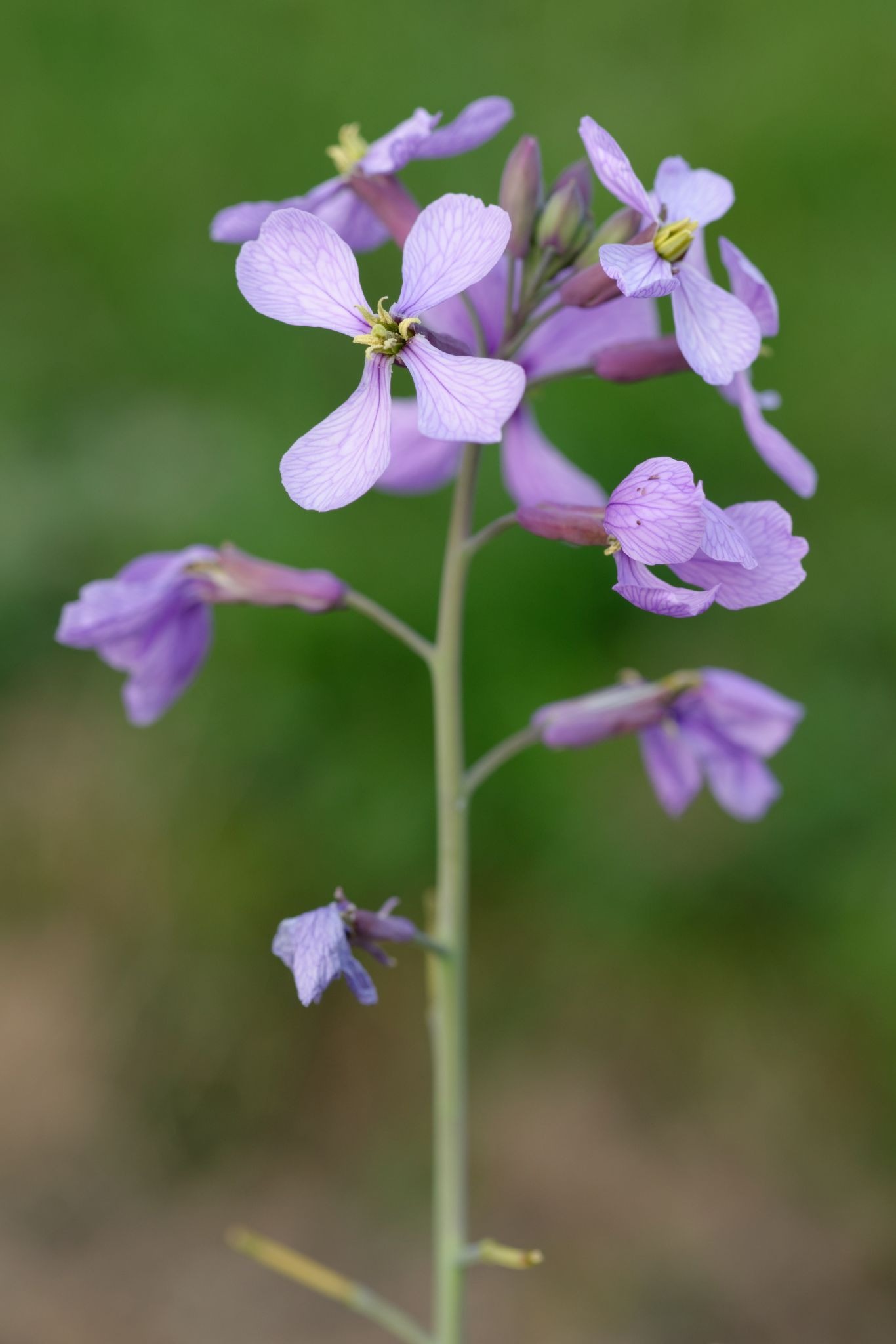
Figure 1. Purple Mistress (Mordicandia arvensis) during the spring flowering season.
In nature, the pigment of flower petals changes as a response to heat, increasing the concentration of molecules that absorb more harmful radiation. This change could result in a difference in visibility from a human’s perspective, but what about pollinators? Eduardo Narbona and his team at the University of Olavide in Sevilla, Spain set out to find whether or not this change in pigment affects how pollinators perceive moricandia arvensis, the purple mistress flower. To humans, this flower appears lilac in the spring, but changes to a pale white in the summer.
The researchers started off by marking 100 flowers at the beginning of the flowering period. During each flowering peak (March for spring and July for summer), one flower was collected from each plant and immediately tested as not to alter the composition of the pigments. To measure the visibility to pollinators, petals from both flowering periods were put into a UV-Vis spectrophotometer, this will show how much visible and UV light is reflected off of the sample. The chemical composition of the petals was determined by extracting the pigments from the petals. The pigments were then put into a spectrophotometer to measure the concentration of the anthocyanins (color pigments) and the flavonoids (UV-absorbing) in the petals. Finally, a vision model was created for 4 different pollinators to gauge the visibility for the different seasons.
When the reflectance of UV and visible light on the seasonal petals was measured, it was found that the summer petals had low UV reflectance and high visible reflectance, however, the spring petals showed extremely high UV reflectance and low visible light reflectance. This difference in reflectance made the appearance of the petals change for human perception, causing the flowers to go from a lilac (low vis reflectance) to white (high vis reflectance). The chemical analysis of the petals showed that in the cooler conditions, the petals had high levels of anthocyanins. The heat stressed petals had a higher level of flavonoid. When the visibility to pollinators was graphed, it was determined that for all 4 tested groups, both of the petals were equally conspicuous. During the spring, the flowers used a contrast in visible radiation to stand out, while in the summer, UV radiation was used to stand out.
This research shows how nature can adapt to different stressors that are unperceivable to the human eye.
Work’s Cited:
[1] Narbona, E., Perfectti, F., González‐Megías A., Navarro, L., Valle, del, Armas, C., & Gómez J. M. (2025). Heat drastically alters floral color and pigment composition without affecting flower conspicuousness. American Journal of Botany. https://doi.org/10.1002/ajb2.70096
[2] Image retrieved from: https://commons.wikimedia.org/wiki/File:Moricandia_arvensis_JdP_2013-05-02.jpg


