

By Samantha Libbey, Class of 2027
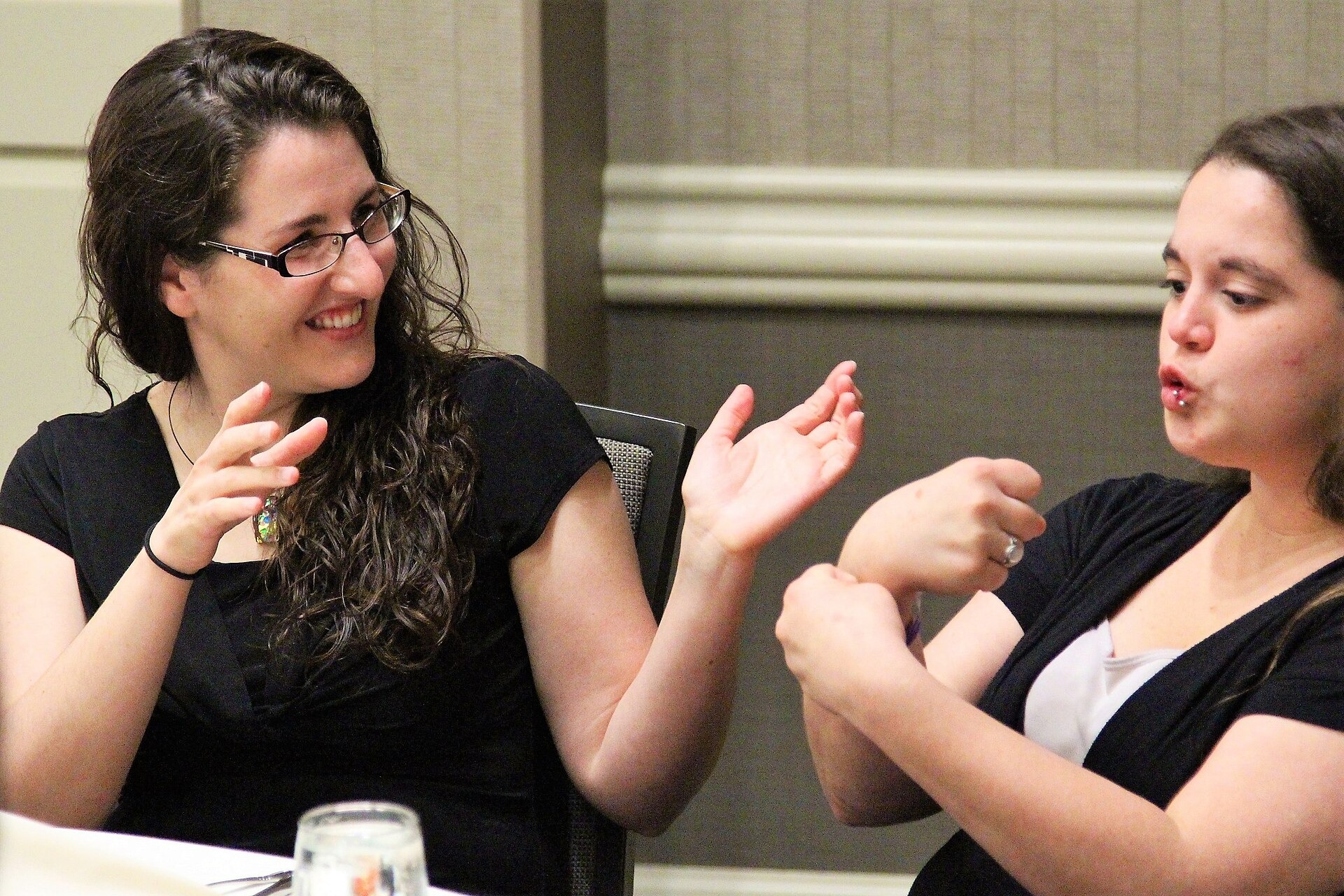
Figure 1: Conversation in sign language.
In American Sign Language (ASL), certain words, including proper nouns and names, have to be manually spelled out in a technique known as fingerspelling. In conversation, fingerspelling can comprise up to 35% of signed language, driving research on technology that could improve accessibility for Deaf and Hard of Hearing (DHH) individuals. Prior technological gloves and wristbands have been designed for this purpose, but have several limitations, as they are often bulky, impractical, or imprecise at translation. Therefore, researchers from Cornell University, Carnegie Mellon University, and Stony Brook University have set out to design the SpellRing, an AI-ring worn on the thumb to improve ASL accessibility. They hypothesized that the sound-based and motion sensors of the SpellRing could recognize continuously fingerspelled words without requiring signers to change their natural signing habits.
To test this, two studies were conducted with 20 participants varying in ASL proficiency. The first study evaluated the SpellRing’s ability to accurately recognize 1,164 continuously fingerspelled words, while the second evaluated how well the ring adjusts to the individual user’s signing behavior and real-time phrase recognition.
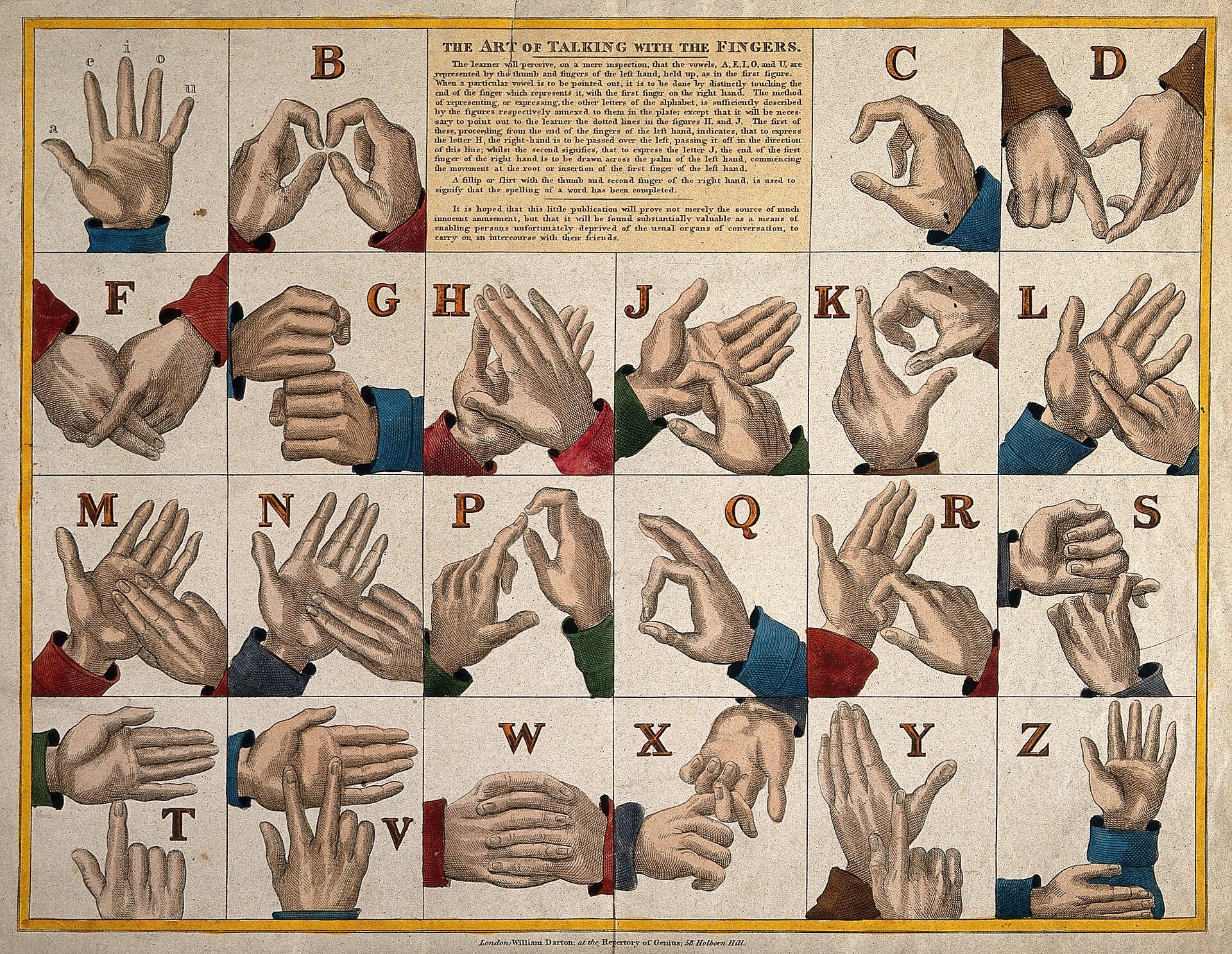
Figure 2: Examples of sign language letters used in fingerspelling
The SpellRing was able to correctly identify 9 in 10 words on its first translation in the first study, making errors on fewer than 1 in 10 words during the second, real-time phase recognition study. Additionally, when used together, the sound and motion sensors produced the best results, especially when translating letters which produce similar movements when signed. An unexpected result of the study revealed that the SpellRing recognized the signing of ASL learners more accurately than fluent deaf signers. This may be attributed to learners signing more slowly and carefully, while fluent signers sign at a higher speed, making it difficult for the AI to distinguish the letters. In a survey conducted by the researchers, eight out of ten participants reported being satisfied with the SpellRing performance and in their overall experience.
As research continues, it is emphasized that expanding the vocabulary tested could improve the AI’s ability to detect full ASL phrases and signs. SpellRing has the ability to shape how DHH individuals interact with everyday devices, simply by fingerspelling and without bulky equipment. The findings show how one ring could serve as a powerful tool in bringing researchers closer to bridging communication between DHH and hearing communities.
Work’s Cited:
[1] Hyunchul Lim, et al., “SpellRing: Recognizing Continuous Fingerspelling in American Sign Language using a Ring.” Association for Computing Machinery 67, 1–17 (2025) doi: 10.1145/3706598.3713721
[2] Image retrieved from: https://commons.wikimedia.org/wiki/File:Sign_language,_2014_%2801%29.jpg
[3] Image retrieved from: https://commons.wikimedia.org/wiki/File:Hands_showing_the_sign_language_alphabet._Coloured_etching._Wellcome_V0016552.jpg


