

By Ilian Medarov, Class of 2028
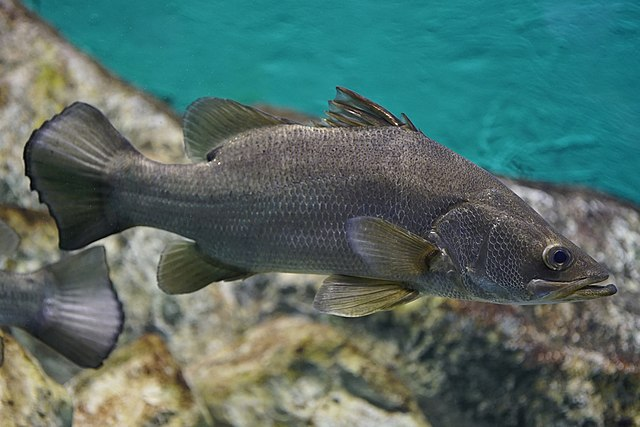
Figure 1: Lates niloticus, AKA the Nile perch
In Lake Turkana, the largest desert lake, fish have been shrinking for a century. Madison F. Muehl and colleagues from Stony Brook University have set out to determine if growing commercial fishing pressure has impacted the biology of the fish species residing in the lake. Commercial fishing can drastically change the biology of fish populations by favoring those that mature earlier and grow smaller.
The study was led by scientists at Stony Brook University’s School of Marine and Atmospheric Sciences, who analyzed data from long-term fisheries in Kenya’s Lake Turkana. Biological data for six vital commercial fish species were compared across three historical periods, each representing a different level of fishing pressure. They compared the early 1900s (before large-scale fishing), the 1970s (during the expansion of fisheries), and modern surveys conducted from 2010 to 2022. They looked at life-history traits such as maximum body size, average size, and reproductive maturity size. Additionally, they analyzed modern catch data to estimate indicators of overfishing or sustainability.
The researchers found strong evidence that fishing pressure has altered the biology of a few fish species in Lake Turkana. Over the years, many species showed significant decreases in the average body length and size at which they reached maturity. Nile perch, for example, saw more than a 50% decrease in size at maturity compared to their historical populations. The data also showed that very large individuals that produce many offspring, known as “mega-spawners”, are rarer in modern-day fisheries than in the past. These points, alongside similar trends in other species, suggest that after many years of fishing targeting larger individuals, Lake Turkana populations may be shifting toward reproduction at younger ages and smaller sizes. This idea supports the hypothesis that commercial fishing drives long-term life-history changes in fish populations exploited by the fishing markets.
It is now clear that fishing pressure can reshape fish biology within relatively short evolutionary timeframes. The authors state that management strategies are needed to protect large breeding fish and to sustain fisheries in Lake Turkana. Understanding how human activity can drive biological change in ecosystems is vital to maintaining our food supplies and the biodiversity in our waters.
Work’s Cited:
[1] Muehl, M. F., Olin, J. A., Keyombe, J. L., Aller, J. Y., Aller, R. C., Lwiza, K. M. M., & Frisk, M. G. (2025). Commercial fishing influences the life histories of fish in the world’s largest desert lake. Journal of Fish Biology, 107(4), 1266–1280. https://doi.org/10.1111/jfb.70103
[2] Image retrieved from:
https://commons.wikimedia.org/wiki/File:Lates_niloticus_by_DaijuAzuma.jpg


