

By Samantha Libbey, Class of 2027
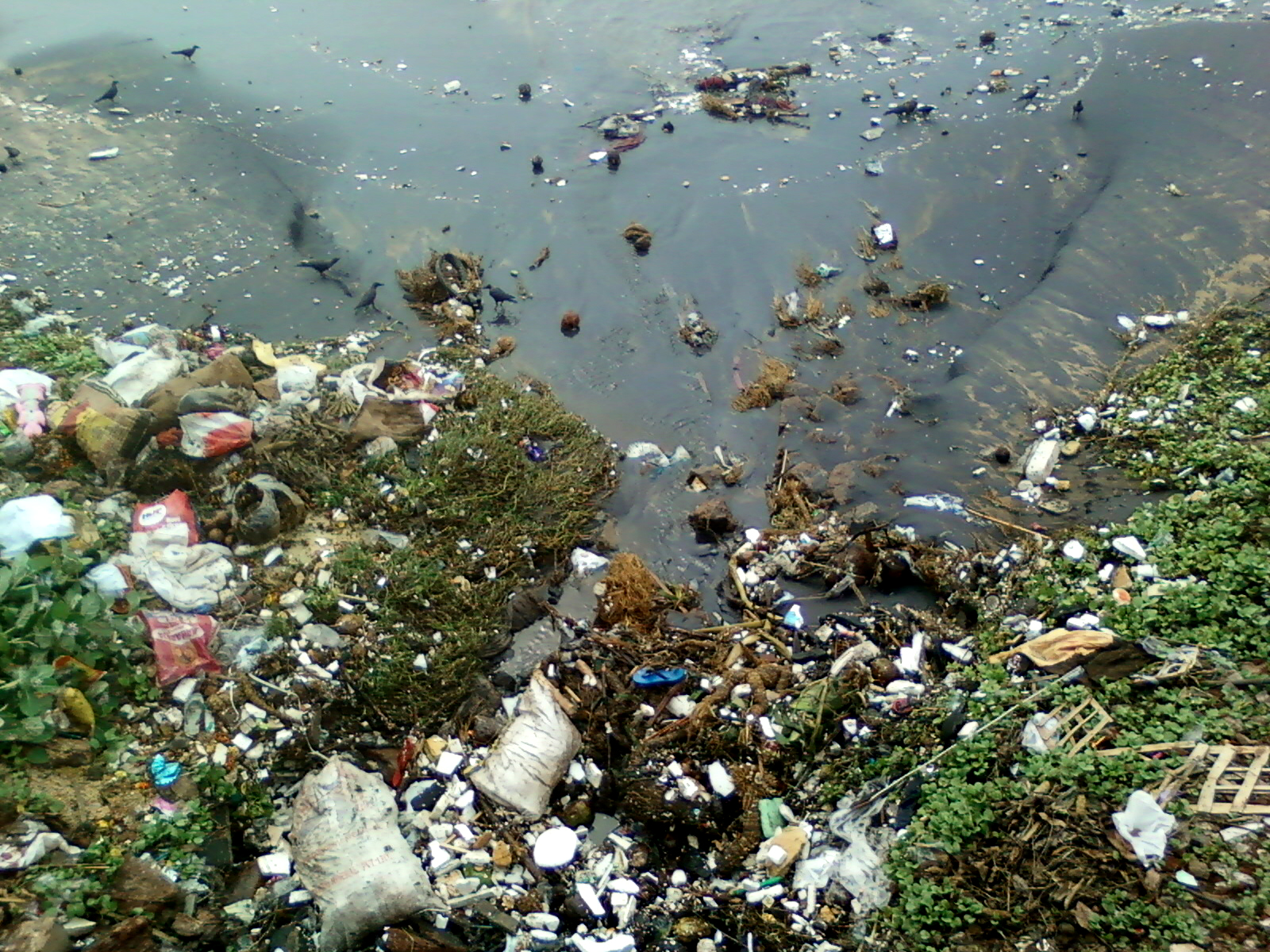
Figure 1: Polluted body of water.
A major source of water pollution is industrial waste. One of the major contributors to this waste is the textile industry, where synthetic dyes are widely used and are not easily broken down in the environment. In response, researchers from the Kermanshah University of Technology set out to find a new method of removing these dyes from water using a process called photocatalysis. In photocatalysis, a light source shines on a catalyst producing highly reactive intermediates, known as “radicals,” that break down dye molecules.
The dye of interest in this experiment was methyl red (MR), a dye commonly used in the textile industry, known to pose risks to human health and aquatic life when released into the environment. To target MR, the researchers created a new material composed of graphene oxide (GO) and tin dioxide (SnO2), which acts as a catalyst to accelerate the removal of MR from water. They then tested this material under several conditions, including varying catalyst concentration, reaction time, the ratio of GO to SnO2, and the type of light source used. Then, different analytical techniques, including fourier transform infrared (FTIR), x-ray diffraction (XRD), and scanning electron microscopy (SEM), were used to better understand the effects of GO/SnO2 on MR removal under the tested conditions.
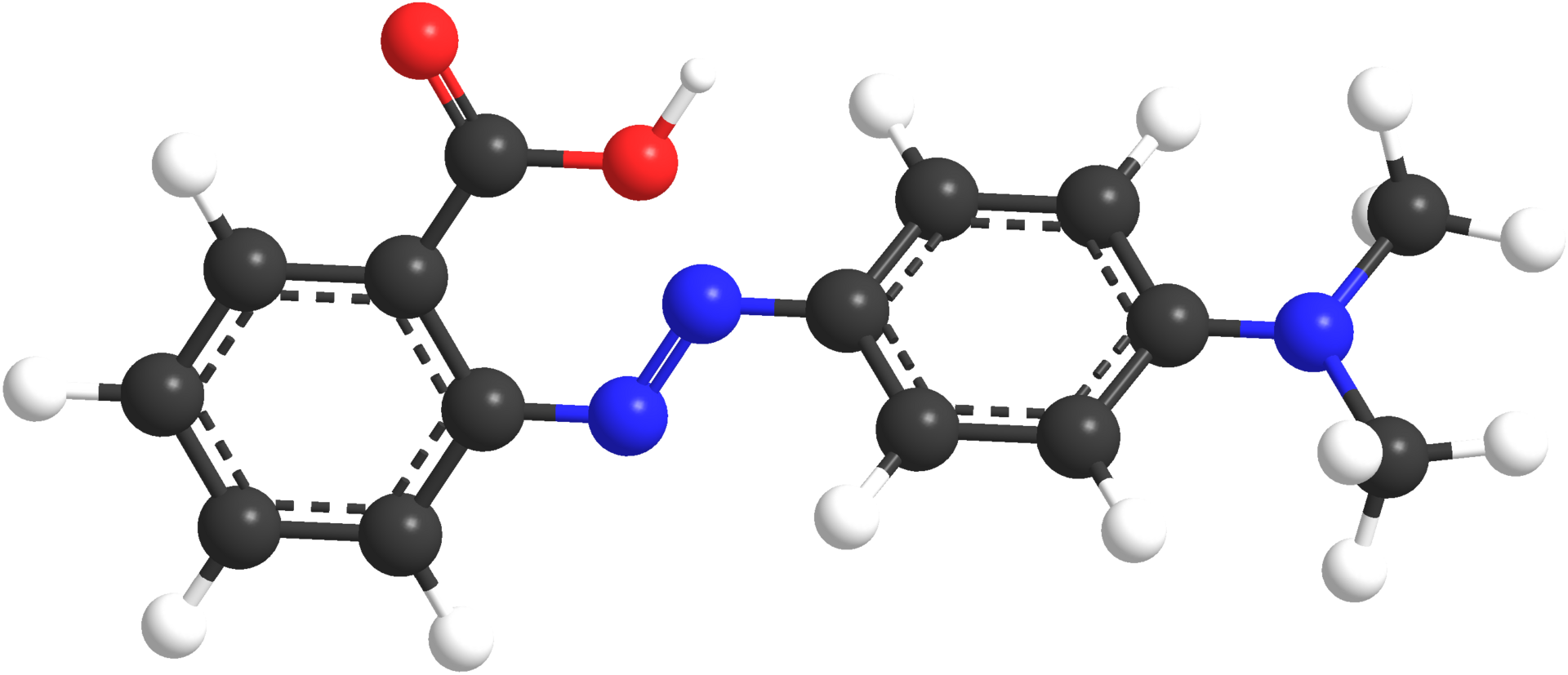
Figure 2: Methyl red molecular structure.
After data collection and analysis, the researchers found that the synthesized GO/SnO2 catalyst was effective in removing approximately 93% of the dye from the water. It was observed that the rate of MR removal was very fast at the beginning of the reaction, but decreased over time as the reaction reached equilibrium. The researchers also found a specific ratio of materials to produce the most effective catalyst, containing 7.5 parts SnO2 to 1 part GO. Finally, when comparing the effectiveness of a tungsten lamp in removing MR to a UV lamp, the researchers found that the tungsten lamp was more effective.
From this experiment, researchers now know that only a small amount of catalyst can have a significant effect on clearing water sources of pollutants, such as MR dye. This not only is a more efficient process than other methods, but may also be more cost-effective compared to traditional methods.
Work’s Cited:
[1] Heydari S and Mohadesi M, “Removal of methyl red dye from synthetic wastewater using photocatalytic process.” Environmental Progress & Sustainable Energy. 45(1), 1–12. (2025) https://doi.org/10.1002/ep.70213
[2] Image retrieved from: https://commons.wikimedia.org/wiki/File:Water_pollution_due_to_domestic_garbage_at_RK_Beach_02.jpg
[3] Image retrieved from: https://commons.wikimedia.org/wiki/File:Methyl_red_3d.png


