

By: Judy Zhao, Class of 2029
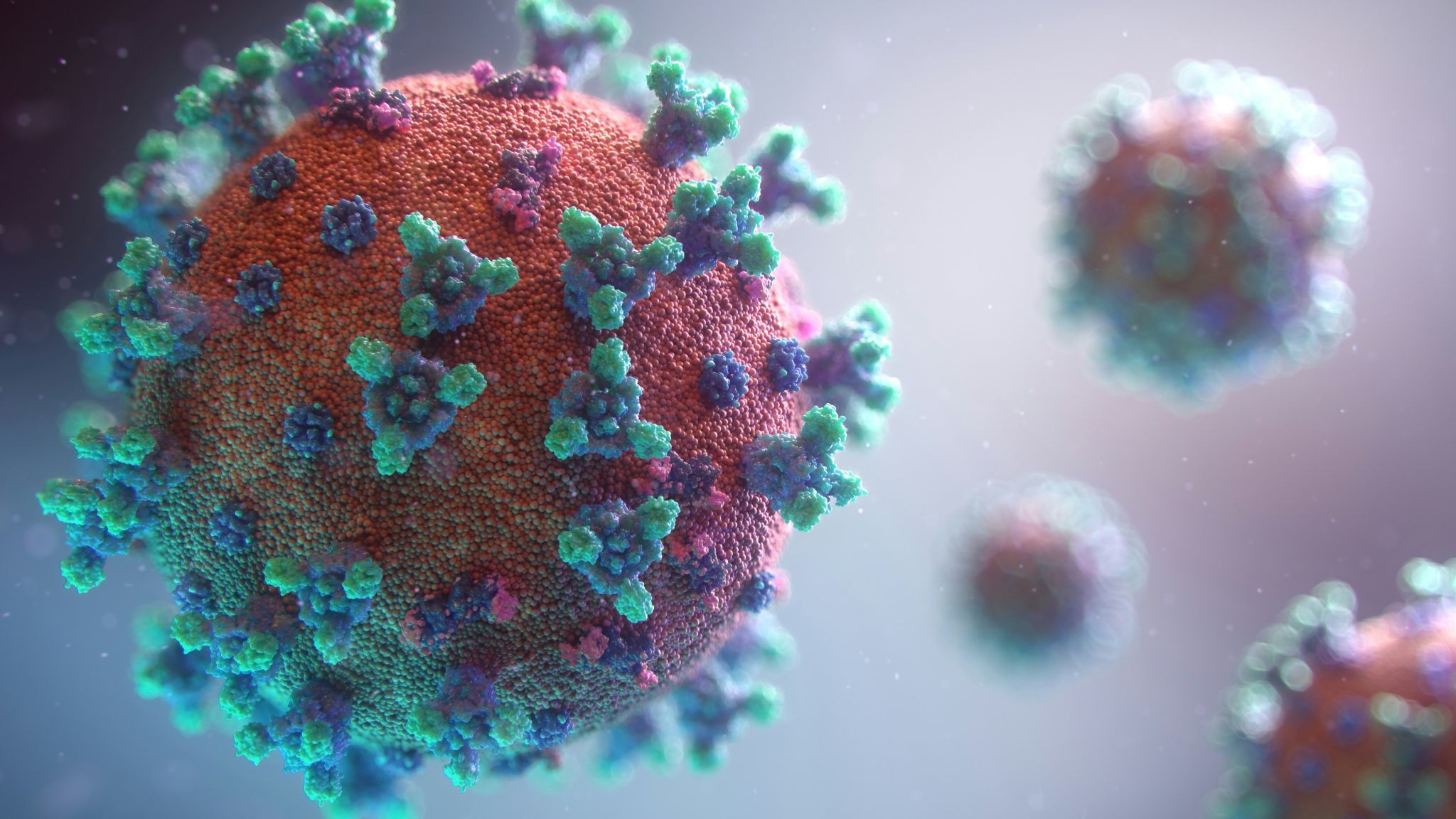
Figure 1. A representation of the COVID-19 virus
Just like education everywhere else, the COVID-19 pandemic shook the typical medical student’s experiences in the classroom. For millions of medical students worldwide, they suddenly lost access to the in-person and hands-on learning experiences that they were originally promised. A recent study by Dr. Lu from Stony Brook University and her colleagues aimed to investigate whether service-learning and volunteering activities could potentially help medical students continue their education in a more unconventional manner. They specifically noted the development of qualities like communication, empathy and resilience in many students.
In order to actually conduct this trial, the researchers analyzed 132 written reflections from medical students who were put into a 2 or 4 week COVID-19 service learning elective. Through telehealth visits, supporting hospital operations, calling patients and participating in research that was not directly patient-facing, they were able to stay engaged in their work while giving back to their communities. The reflections mainly focused on how their communication skills improved, especially since they weren’t able to talk to patients in person and had to figure out how to communicate the same way online. This included explaining medical information in clear terms, showing that they were listening to what the patients had to say, and supporting anyone who was anxious or confused about the new technology.
Through extensive patient interaction, the medical students were able to see—first hand—the amount of emotional stress COVID-19 had on their patients, as well as how isolation and barriers to healthcare access affected someone’s wellbeing. By continuously collaborating and communicating with their peers as well as healthcare professionals throughout the pandemic, they were able to learn how to navigate unique circumstances and adapt to different crises.
This study, conducted by Dr. Lu and her team, demonstrated that even though the COVID-19 pandemic shut down traditional healthcare methods and educational pathways, being able to quickly adapt allowed students to continue learning.
Work’s Cited:
[1] Lu, W.-H., Pang, L., & Strano-Paul, L. (2024). The Impact of COVID-19 Service Learning on Medical Student Professional Identity Formation. Journal of Medical Education and Curricular Development, 11, 23821205241262686. https://doi.org/10.1177/23821205241262686
[2] Image retrieved from: https://unsplash.com/photos/visualization-of-the-coronavirus-causing-covid-19-rnr8D3FNUNY

