

By Katie Au, Class of 2029
COVID-19, a disease that notably affects the respiratory system, has also been shown to affect the nervous system. While some have initial experiences of insomnia and even stroke, others continue to have long-term neurocognitive changes like memory loss after the initial acute symptoms, which researchers have labeled as neurological post-acute sequelae (N-PASC). Xiaohua Yang and colleagues from the Renaissance School of Medicine at Stony Brook University have found evidence that COVID-19 may increase levels of phosphorylated tau (pTau-181), a protein associated with brain degeneration and Alzheimer’s disease. Yang’s team hypothesized that people who develop N-PASC after COVID-19 infection would show increased blood levels of pTau-181 but no increases in amyloid proteins, also associated with Alzheimer’s, and decreased levels of GFAP, a signal protein indicative of brain inflammation and injury.
Using blood plasma samples collected before and after the COVID-19 pandemic from essential workers, researchers compared 227 individuals with COVID-19 and N-PASC to controls without COVID-19 or without N-PASC symptoms. Researchers then measured plasma biomarkers, including pTau-181, GFAP, neurofilament light (NfL), and amyloid beta (Aβ40/42). Yang’s team found that 58.6% of the individuals with N-PASC displayed a minimum of 20% increases in their pTAU-181 levels after COVID-19 infection. This increase was linked to a higher risk of abnormal biomarker levels and correlated to neurological symptoms like muscle weakness, loss of taste or smell, and brain fog. A significant number of individuals exhibited decreased GFAP and NfL levels. Decreases in GFAP were linked to muscle weakness and fatigue, whereas decreases in NfL were linked to shortness of breath. The researcher’s findings strongly suggest that these biomarkers are related to neurological changes after exposure to COVID-19.
With millions of cases of COVID-19 worldwide, it is especially important to know how the virus may trigger or influence neurological changes and possible damage. Understanding changes in biomarkers such as pTau-181, GFAP, and NfL will serve as an improved prognostic tool to monitor possible neurodegeneration related to COVID-19 and may guide later research in how to treat these neuropathological processes and other cognitive diseases like Alzheimer’s.
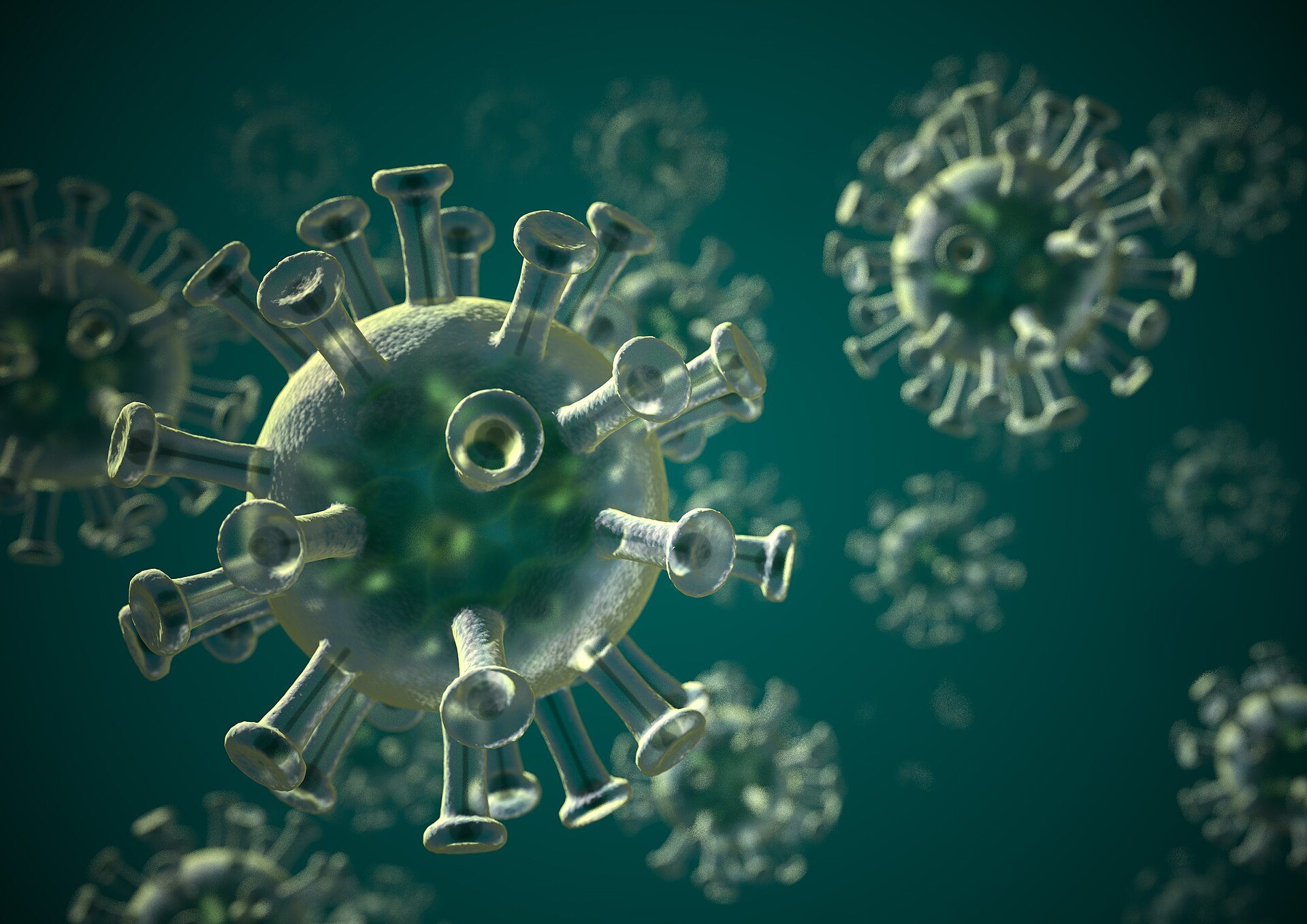
Figure 1. Coronavirus infiltrates a cell.
Work’s Cited:
1. Yang, X., Fontana, A., Clouston, S. A. P., & Luft, B. J. (2026). Increased phosphorylated tau (pTau‑181) is associated with neurological post‑acute sequelae of coronavirus disease in essential workers: A prospective cohort study before and after COVID‑19 onset. EBioMedicine, 123, 106106. https://doi.org/10.1016/j.ebiom.2025.106106
[2] Image retrieved from: https://commons.wikimedia.org/wiki/File:Corona_virus_Covid-19_FC.jpg


