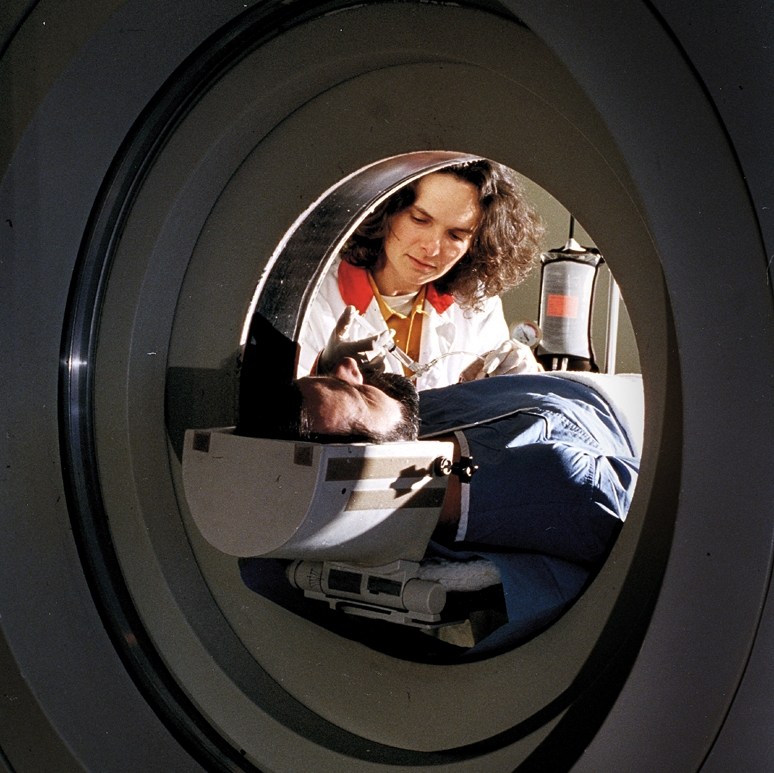
Figure 1: Researchers at the Yokohama City University Graduate School of Medicine in Japan used computational fluid dynamics (shown) to analyze the flow distribution of anticancer agent into the branches of the external carotid artery during intra-arterial chemotherapy.

Computational Fluid Dynamics Can Be Used to Treat Oral Cancer

by Caleb Sooknanan ’20 Surgical procedures have often been used to treat oral cancer. However, these procedures can cause oral dysfunction — often in the form of speech and breathing difficulties — and thereby harm respiratory organs. To preserve organ function, intra-arterial chemotherapy (IAC) has become a valuable form of treatment. IAC releases more anticancer agents into tumor-feeding arteries than intravenous systemic chemotherapy. However, anticancer … Continue reading Computational Fluid Dynamics Can Be Used to Treat Oral Cancer

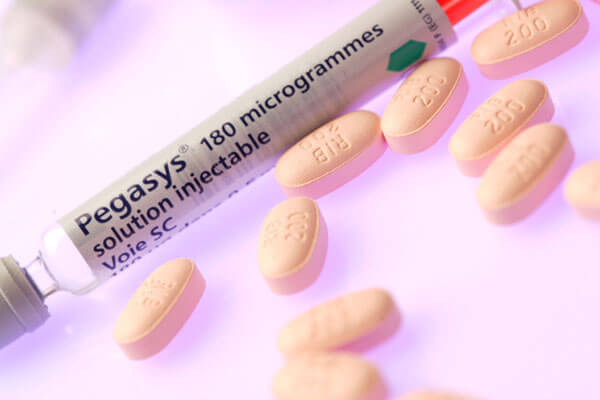
Figure 1: Pegylated-interferon (PEG-IFN) treatment is the standard therapy for chronic hepatitis C in Asian countries; it is sometimes performed as part of a combination therapy with ribavirin (RBV), but more research is needed to understand how Treg function is affected in patients.

New Species of Fungi Discovered in Chinese Cotton Plants

by Caleb Sooknanan ’20 Dr. Xiao-Lin Li and researchers at Zhejiang University in China recently discovered a new fungal species, now identified as Scopulariopsis gossypii. The species was found in the vascular bundles of cotton plants infected by Verticillium dahlia, a pathogen of economic importance throughout the city of Hangzhou. Scientists have already associated the genus Scopulariopsis with fungi that are isolated from air and … Continue reading New Species of Fungi Discovered in Chinese Cotton Plants

Figure 1: This is an example of a patient that shows symptoms of vitiligo. TRM cells were found to permanently reside in the affected areas and can be the key to long-term anti-tumor immunity.

Immunity to Future Cancers with Resident Memory T Cells

Richard Liang 18’ Skin cancer melanomas develop from melanocytes, or pigment-containing cells, and cause discoloration in various parts of the body. Patients with melanomas are also likely to develop an autoimmune disease known as vitiligo, in which the body’s immune system attacks melanocytes. This results in a patchy loss of pigmentation. Recently, in a study led by Mary Jo Turk from the Department of Microbiology … Continue reading Immunity to Future Cancers with Resident Memory T Cells

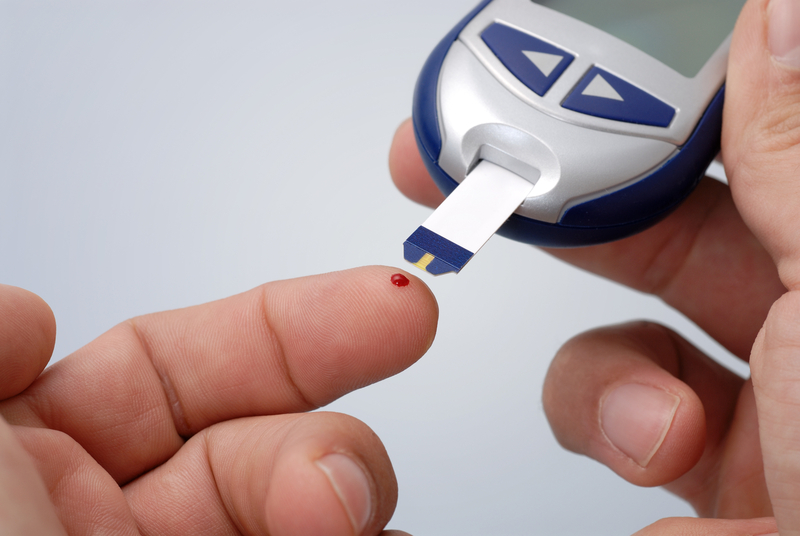
Figure 1:

Integrating Synthetic Biology with Hepatogenous Diabetes Treatments

Caleb Sooknanan ‘20 Hepatogenous diabetes is a condition often characterized by the comorbid presence of type 2 diabetes with chronic liver disease. A major factor in this condition is insulin resistance (IR), an asymptomatic disease state in which impaired insulin signaling causes organ dysfunction. Current therapies that target IR are limited and generally inapplicable for patients with liver disease. Dr. Shuai Xue and researchers at … Continue reading Integrating Synthetic Biology with Hepatogenous Diabetes Treatments

Figure 1. The naked mole-rat’s ability to temporarily survive without oxygen can help create new treatments for stroke and heart attack patients.

From Naked Mole-Rats to Human Treatment

By Taylor Ha ’18 Naked mole-rats are pink, wrinkly, and big-toothed. Deep underground in hypoxic, or low oxygen, and high carbon dioxide conditions, these strange creatures live in colonies of up to 280 members. And, according to a recent study published on April 21, 2017, they also have the ability to metabolize fructose, just like plants, and survive without oxygen for 18 minutes without any … Continue reading From Naked Mole-Rats to Human Treatment

Figure 1: Using FTIR spectroscopy, researchers showed the presence of collagen in a 195-million- year-old fossilized rib.

Ancient Collegen found in Early Jurassic Fossil

Meghan Bialt-DeCelie – ’19 The hints left in the form of fossils provide better understanding of evolution and natural preservation of biological material. The organic material, like proteins, would often be lost and decomposed, hence discovering soft tissue in a fossil is an intriguing find. Researchers led by Dr. Yao-Chang Lee were able to find preserved protein in a 195-million-year-old rib of a sauropodomorph dinosaur … Continue reading Ancient Collegen found in Early Jurassic Fossil

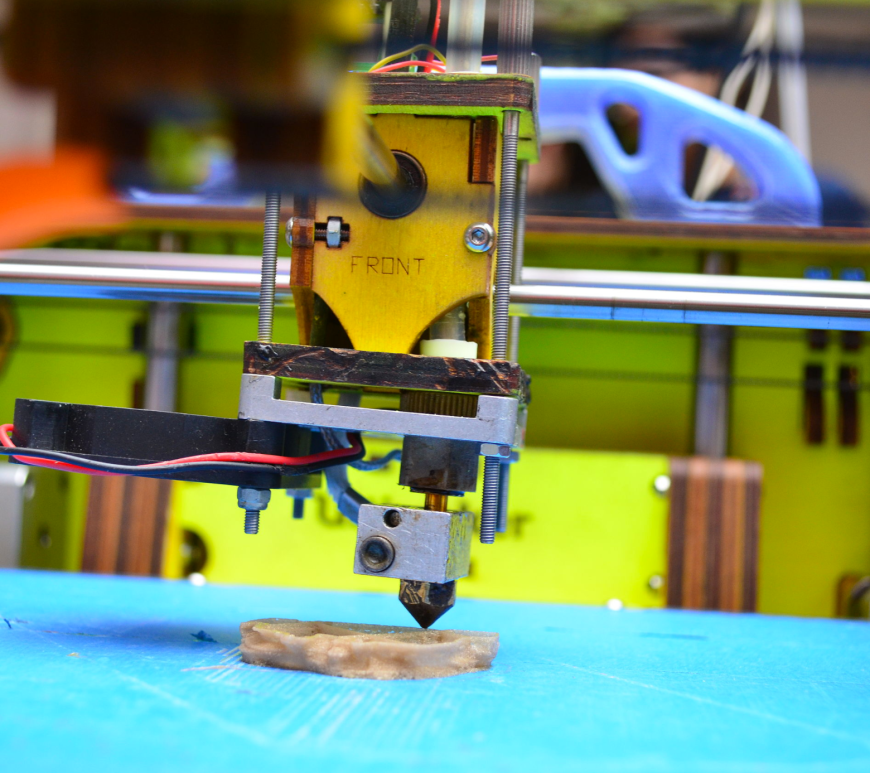
Figure 1: mircoCOB 3D Bioprinted tissues can potentially allow 3D printed tissues that are larger and more metabolically active to be sustainably produced.

3D Bioprinted Tissues Improved with Vascular Channels

Meghan Bialt-DeCelie – ’19 One of the biggest problems with engineered tissues is the lack of a vascular system to transport essential nutrients and oxygen. This is the reason why larger and highly metabolic organs are the most difficult to develop with 3D printing. Researchers from the University of California printed prevascularized tissues with microarchitectures using the fast and efficient method of microscale continuous optical … Continue reading 3D Bioprinted Tissues Improved with Vascular Channels

Figure 1: Through Interspecies blastocyst complementation, the blood glucose levels of diabetic mice were successfully lowered with mice pancreatic cells that were transplanted from rats.

Interspecies Pancreas Transplant

Meghan Bialt-DeCelie – ’19 Currently in the United States, 76,000 patients are deprived of potentially life-saving organ transplants. The supply of donated organs relies heavily on the number of recently deceased individuals, limiting the supply’s availability. Dr. Yomoyuki Yamaguchi and his team of researchers from Stanford University and the University of Tokyo are exploring more sustainable methods of generating functional tissues and organs to help … Continue reading Interspecies Pancreas Transplant

April Student Researcher of the Month: Ioana Soaita

This past month, one of our cabinet members, Benjamin Kerner, had the opportunity to sit down with Ioana Soaita, a senior student researcher in the Biomedical Engineering Department under Dr. Rubenstein. B: So now how did you get into research and what inspired you to do so? I: So I was really interested in doing diabetes work and was looking into either learning more about … Continue reading April Student Researcher of the Month: Ioana Soaita

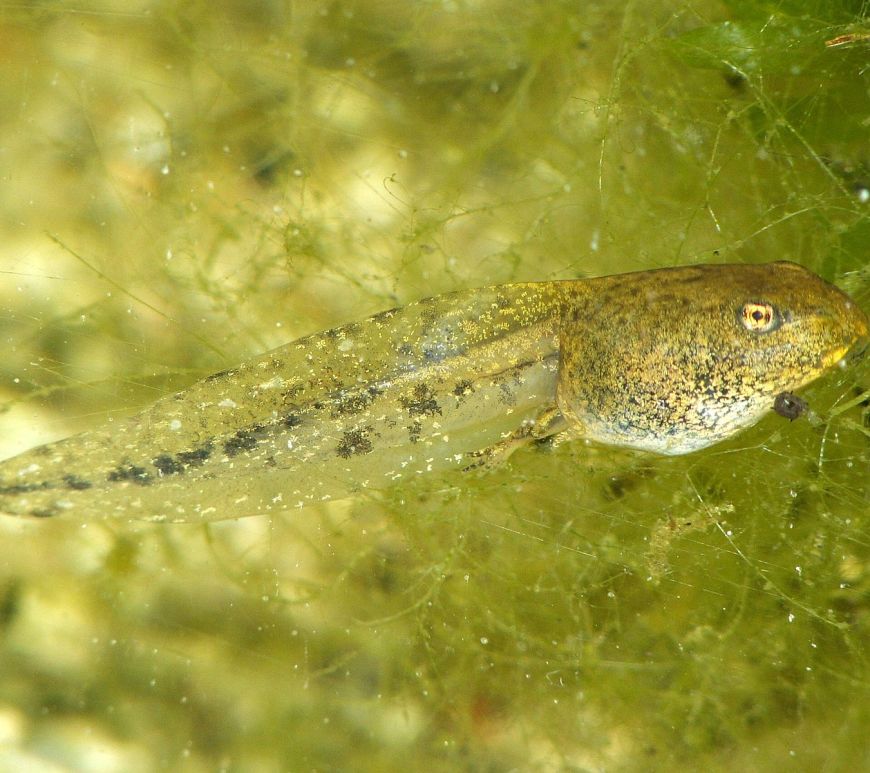
Caption: Researchers demonstrate the improvement of innervation between the central nervous system and a grafted eye on the tails of tadpoles with Zolmitriptan.

Improved Functionality of Grafted Eyes on Blind Tadpoles

Meghan Bialt-DeCelie – ’19 The major flaw faced by research in tissue regeneration is proper development of a nervous system as well as its functionality in the new host. Researchers led by Douglas J. Blackiston, Ph.D from Tufts University attempted to improve communication between a graft and the central nervous system of a host. The researchers used the tadpoles of Xenopus laevis to observe the … Continue reading Improved Functionality of Grafted Eyes on Blind Tadpoles

Figure 1: Uncovering new evidence of biological predictors of psychological disorders helps point researchers in the right direction for creating more effective treatments.

Norepinephrine Transporter in Major Depressive Disorder: A PET Study

Ericka Berman Major depressive disorder (MDD) is a debilitating illness characterized by low mood and loss of interest in activities. In MDD, the neurotransmitter norepinephrine is believed to be dysregulated, contributing to the depressive symptoms. The goal of this study was to test norepinephrine transporter availability in patients with MDD in attempt to identify potential associations with clinical symptoms. Previous studies have looked at the … Continue reading Norepinephrine Transporter in Major Depressive Disorder: A PET Study

Figure 1: DNA Fountain allows data to be stored in DNA more densely with reliable retrieval.

Data Storage on DNA

Meghan Bialt-DeCelie – ’19 Scientists have explored the concept of data storage in DNA, one of the most fundamental biological molecules to living things. According to the Shannon information capacity, a nucleotide can ideally contain 2 bits of data. However, DNA does not currently have this capacity due to difficulties and errors associated with high GC content and areas with long runs of the same … Continue reading Data Storage on DNA