Madagascar: Ecosystems and Biodiversity

Sabah Bari ’24 Biodiversity in an ecosystem is important because it maintains the structure and functioning of various organisms in the environment. Such as the supply of oxygen, water, the dependency of survival on plants and animals etc. One way to maintain biodiversity in ecosystems is reforestation. Stony Brook University researcher Patricia Wright had an ambitious plan of reforestation in Madagascar, Africa. Wright, a group … Continue reading Madagascar: Ecosystems and Biodiversity

Discovery of a Paleolithic bird carving at Lingjing Henan, China

Panayiota Siskos ’23 Modernity’s understanding about the history of symbolic behavior has increased during the past two decades, and a gradualist scenario has taken shape from the idea of a symbolic explosion occurring 40,000 years ago in Europe with the appearance of anatomically modern human populations. However, there is evidence that such behaviors are older and emerged from African Middle Stone Age and archaic Europe … Continue reading Discovery of a Paleolithic bird carving at Lingjing Henan, China

Evolution of avian brain sizes: The uncovered connection with body size

Sooraj Shah ’24 It is a common belief that the cumulative size of an individual’s fists taken together results in an approximate size of that individual’s brain. By this interpretation, individuals with larger hand sizes should thus have bigger brains. On the contrary, towards the end of the Cretaceous era, the relative brain size of both small avians (birds) and massive non-avians (dinosaurs) were the … Continue reading Evolution of avian brain sizes: The uncovered connection with body size

The Origins of Ancient Pterosaurs

Sabah Bari ’24 Pterosaurs were the first flying reptiles with over 150 million years of evolution. The specific anatomy of pterosaurs is what distinguishes them from other Mesozoic reptiles. They are known as Pan Aves, which means dinosaurs. With new fossil discoveries, researchers are now having a better understanding of a dinosaur’s body structure. The origin of pterosaurs is unknown. However, the structure allows archaeologists … Continue reading The Origins of Ancient Pterosaurs

A Once Thought Extinct Species of Mice Repopulates after an Explosion

Sabah Bari ’24 Mount Pinatubo was known for being a quiet volcano located on the most populated Island of Luzon in the Philippines. However, the calmness of Mount Pinatubo came to a halt on June 15, 1991 when the volcano erupted. The destruction of the explosive volcano negatively affected the wildlife on Luzon, except two main species of the Philippine forest mice. Upon the eruption, … Continue reading A Once Thought Extinct Species of Mice Repopulates after an Explosion

The preservation of proteins and lipids in mammoth rib bones

Joyce Chen ’23 Despite significant technological advances in the past decade, a great deal of mystery still surrounds the ancient animals that once roamed the earth. In order to learn about these organisms, biologists study the biomolecules that are found within fossils. Biomolecules include proteins and lipids, and their preservation allows scientists to understand and trace evolution. Due to a lack of research on the … Continue reading The preservation of proteins and lipids in mammoth rib bones

Odor Tracking in Aquatic Animals

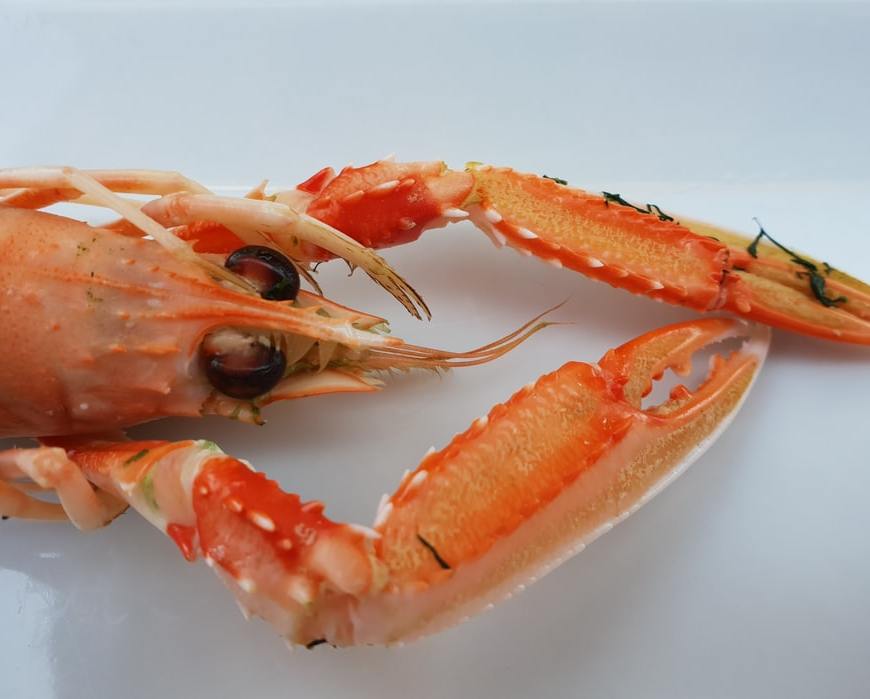
Panayiota Siskos ’23 Animals use intermittent chemical cues to help avoid predators, find mates, and find food. The speed at which some animals forage shows that more instantaneous sensory feedback is also used. Lobsters have multiple sensors to gather information, including sensilla on antennules with chemosensory cells that detect chemical concentrations and mechanosensory cells that find flow and direction. Several are conditionally rhythmically active and … Continue reading Odor Tracking in Aquatic Animals

What’s the Temperature Like Down There?

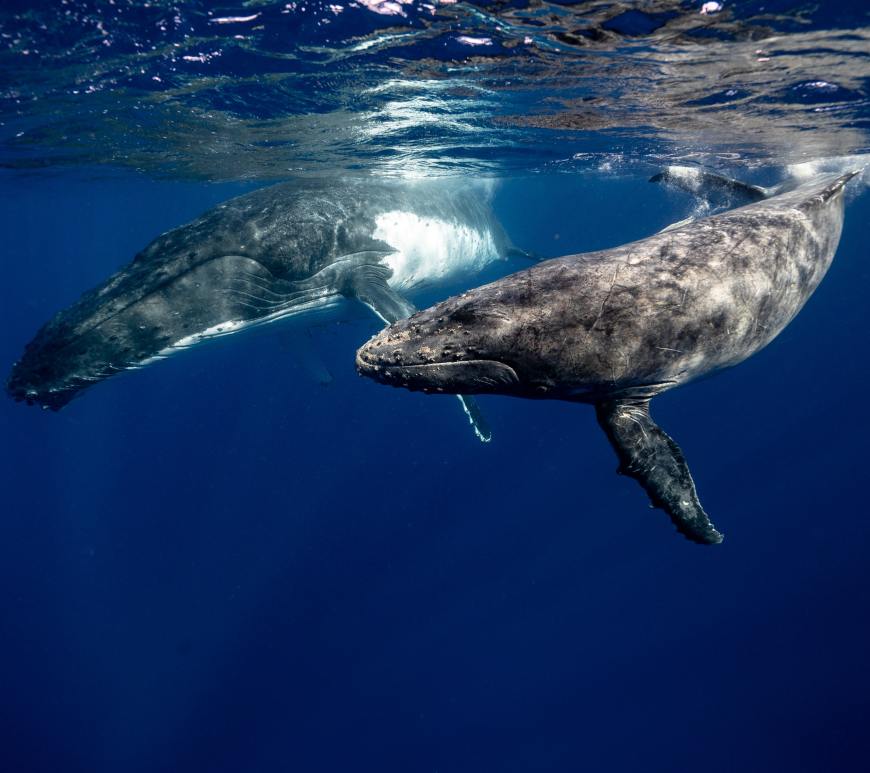
Wendy Wu ’22 Marine mammals are highly sensitive to temperature, often witnessed migrating to warmer/colder waters depending on their preferences. Research into the thermal habitats of marine mammals has so far been based on surface water temperatures. Stephanie Adamczak, a graduate student at the School of Marine and Atmospheric Sciences at Stony Brook University, sought to investigate the impact of deeper water temperatures on habitat … Continue reading What’s the Temperature Like Down There?

Environmental Policies: Can They be Beneficial for the Environment at the Cost of Economic and Personal Freedom?

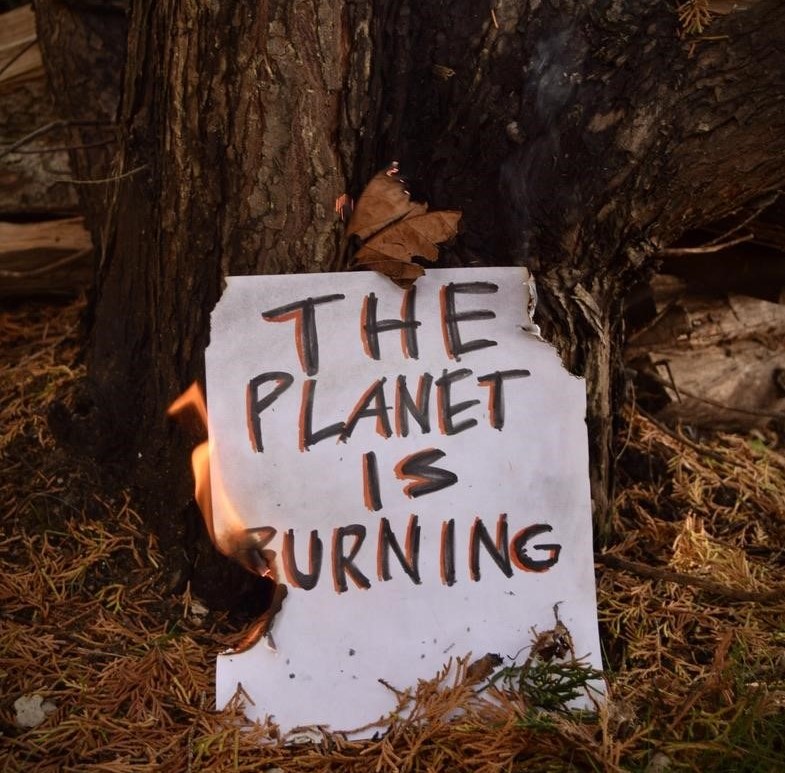
Angela Zhu, Grade 11 The past decade has been recorded as the warmest in history, with global temperatures reaching dangerous highs (1). Smog coats the skies of many cities around the world, and factories continue to burn fossil fuels, sending various greenhouse gases into the Earth’s atmosphere. To combat these devastating effects on the environment, governments globally have enacted environmental policies which seek to reduce … Continue reading Environmental Policies: Can They be Beneficial for the Environment at the Cost of Economic and Personal Freedom?

Localization, Authenticity, & Intersectionality – Ingredients to the Effective Implementation of Environmental Policies

Lauren Avilla, Grade 12 The key to unlocking success in environmental policy has always been guided by the singular concept of sustainability. It has proven the backbone of many federal environmental policies such as the Clean Water Act (CWA), Clean Air Act (CAA), and the National Environmental Policy Act (NEPA). Conceptually, the practice of fulfilling the needs of now while simultaneously maintaining resources for the … Continue reading Localization, Authenticity, & Intersectionality – Ingredients to the Effective Implementation of Environmental Policies

Who is to Blame for Earth’s Death?

Natalia Pszeniczny, Grade 10 Introduction Environmental deterioration has been a huge topic of discussion between scientists and politicians. When dealing with such a delicate topic, it is important to consider all angles: democratic, environmental, personal, and economic. The issues presented with climate change vary in complexity. Many people are concerned that the increasingly rigid environmental restrictions will prevent their companies from expanding to their full … Continue reading Who is to Blame for Earth’s Death?

Developing Genetic Tools for Eukaryotic Marine Microbes

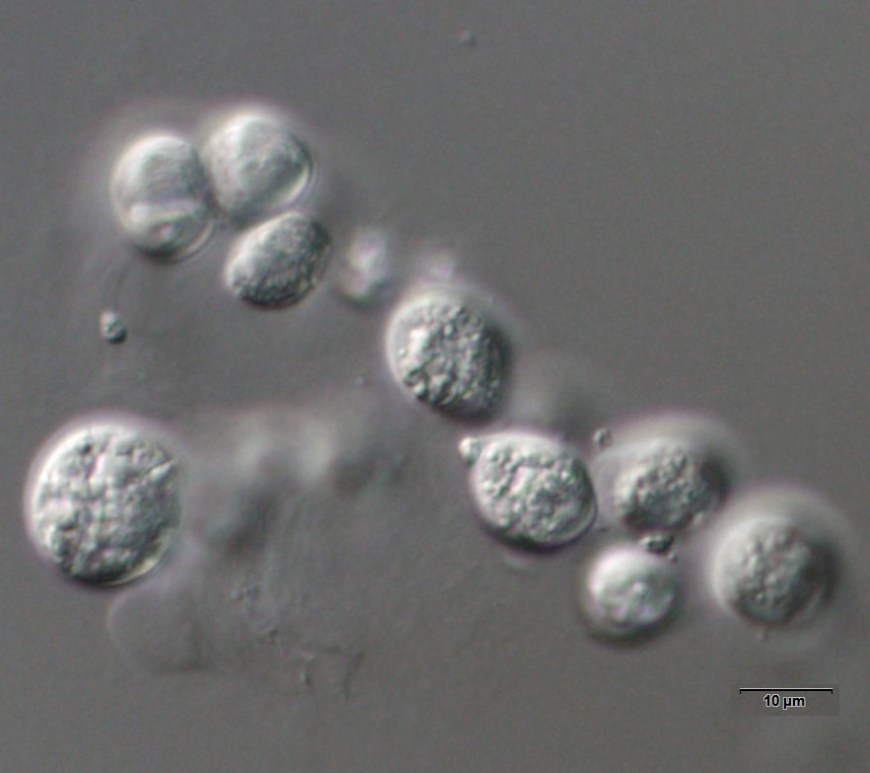
Gaurav Sharma ’22 Sea life may hold one of the most diverse microbial ecosystems since we have not yet uncovered all of the mysteries and organisms teeming among the depths. Among the microbes that have been studied are eukaryotic microbes which range in diversity. When it comes to studying these organisms, researchers are presented with a challenge and can only genetically study some of these … Continue reading Developing Genetic Tools for Eukaryotic Marine Microbes