

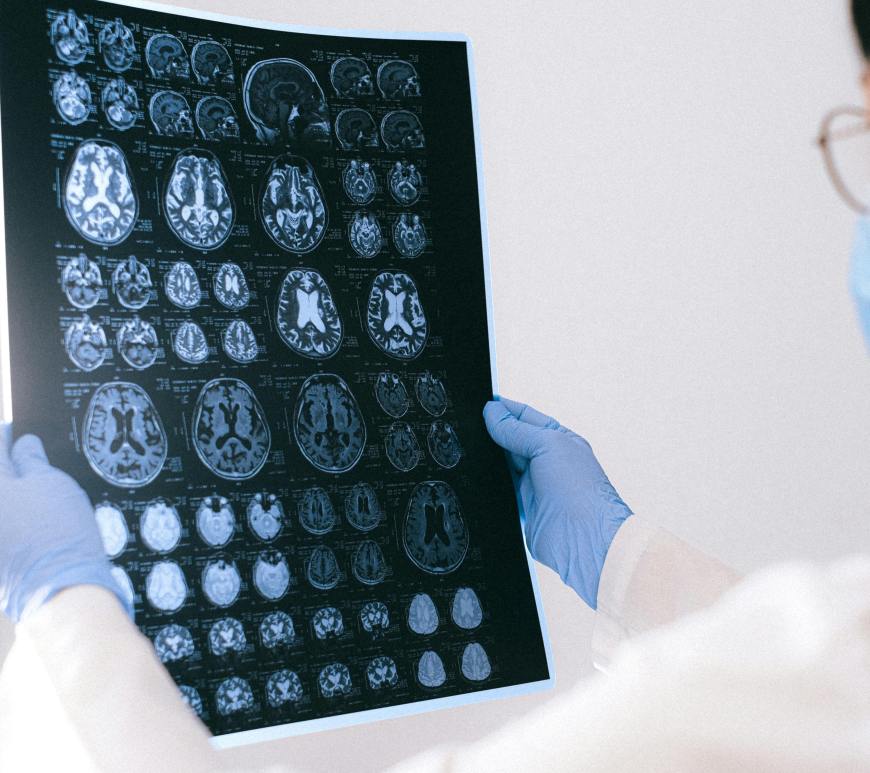
Prolonged Functional Hyperemia Found in Early Stage AD in mouse models
By Asher Agarwal, Class of 2027 When a region of our brain is active, blood vessels dilate to increase blood flow and meet the increased metabolic demand of the area. This is known as functional hyperemia, or neurovascular coupling, and it is critical for maintaining metabolic homeostasis in the brain. Previous research has shown that, in response to novel environments, hippocampal inhibitory interneurons are stimulated … Continue reading Prolonged Functional Hyperemia Found in Early Stage AD in mouse models

 Young Investigators Review