Figure 1. Sex-linked distinctions in light perception affect sleep and cognition in humans.

Sex Differences Affect Light Perception And Sleep

By Maryna Mullerman ’20 Artificial light and technology have been known to affect human sleep patterns. Scientists think that the circadian clock — physiological 24-hour cycle — might shift in the future. Sarah L. Chellappa and researchers from Harvard Medical School aimed to understand how chronic exposure to light at night affects human health and behavior. They explored how differences in light sensitivity between sexes … Continue reading Sex Differences Affect Light Perception And Sleep

Figure 1. Researchers from the University of Pennsylvania investigate the loci responsible for the wide variation of skin pigmentation by studying the genomes of African populations.

Genetics of Skin Pigmentation

By Meghan Bialt-DeCelie ’19 Currently, our understanding of the genes behind skin pigmentation in humans is limited, especially for those of African heritage. Researchers led by Nicholas Crawford, PhD from the University of Pennsylvania investigated the genetic variants behind a wider range of skin colors provided from diverse African populations. Melanin is the pigment that provides the wide range of skin colors seen in the … Continue reading Genetics of Skin Pigmentation

Figure 1. Researchers developed a programmable synthetic tissue that mimics the adaptable structure of cephalopod papillae.

Octopus Inspired Synthetic Tissue

By Meghan Bialt-DeCelie ’19 One of the most notable features of cephalopods like octopus and cuttlefish is their ability to quickly camouflage with the environment by changing the color and texture of their skin. They are able to dynamically adapt the textures of their skin by contracting muscular hydrostat structures referred to as papillae. Researchers, led by James Pikul PhD, from Cornell University took inspiration … Continue reading Octopus Inspired Synthetic Tissue

Figure 1. The damaging effects of brain-activated inflammation can be mitigated through fasting

The Benefits of Intermittent Fasting

By Matthew Lee ’21 It is well known that distress can have negative effects on both the brain and immune system. Previous studies have established that intermittent fasting (IF) can have positive effects on brain function and possibly on lifespan extension. However, IF was never examined for its potential as a source of eustress. A team of researchers led by Dr. Marjan Shojaie of Hormozgan … Continue reading The Benefits of Intermittent Fasting

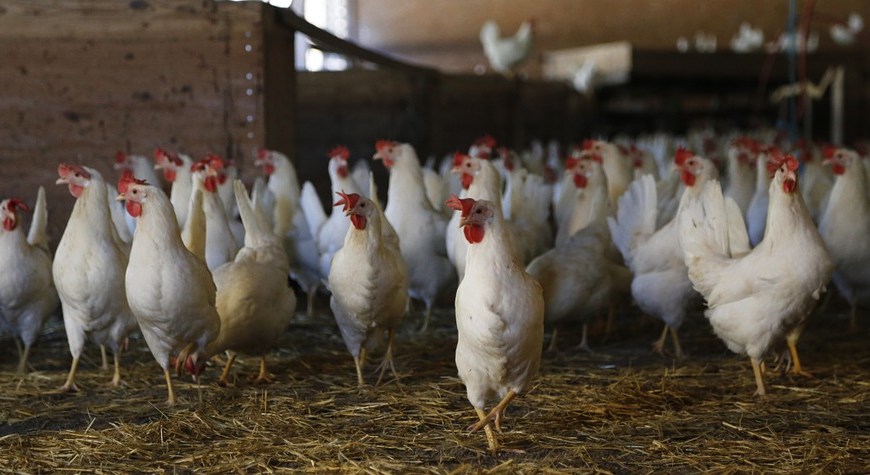
Figure 1. Brood of chickens frolicking in a pen house

Fighting the Avian Leukosis Virus through Genome Modification

By Matthew Lee ’21 The avian leukosis virus subgroup J (ALV-J) has plagued the poultry industry since being recognized about 30 years ago. The economic hardships caused by decreases in poultry yield makes developing resistance mechanisms a topic of interest. Recently, a team led by Hong Jo Lee from Seoul National University decided to take the novel approach of editing the chicken genome in order … Continue reading Fighting the Avian Leukosis Virus through Genome Modification

Figure 1. MicroRNAs, miR25 and miR93, allow tumor growth by silencing cGAS resulting in suppression of immune functions.

Micro RNA Protect Tumor Cells by Suppressing the Immune System

By Meghan Bialt-DeCelie ‘19 Cancer can thrive and spread because of its ability to inactivate immune cells and prevent the production of molecules that help in tumor recognition and suppression. Cyclic GMP-AMP synthase (cGAS) is a molecule that would typically be produced in order to signal an immune response in the presence of a tumor. Under the low oxygen microenvironment of a tumor, however, there … Continue reading Micro RNA Protect Tumor Cells by Suppressing the Immune System

Figure 1. Researchers assess the effects and pathways of tattoo pigments in human skin and lymph nodes.

Safety of Tattoo Pigment

By Meghan Bialt-DeCelie ‘19 The safety of tattoo pigments and its pathways in the body has rarely been investigated. Researchers, led by Dr. Ines Schreiver from the German Federal Institute for Risk Assessment, used X-ray fluorescence (XRF) to explore the biokinetics involved in tattoo pigments in the human skin at the micro and nano scale. Tattoo pigments can be comprised of organic compounds, heavy metals … Continue reading Safety of Tattoo Pigment

Long Non-Coding RNA’s Role in Drought Resistance

By Meghan Bialt-DeCelie ’19 With the changing environment due to Global Climate Change, sustaining renewable resources such as crops is more important than ever. The changing climate affects the frequency of droughts and high salinity in fertile lands. These issues motivated researchers to investigate methods of increasing plant resistance to these stresses. Researchers from the Texas A&M Research Center, led by Dr. Qin, were able … Continue reading Long Non-Coding RNA’s Role in Drought Resistance

Figure 1. Reduced insulin signaling maintains “youthful” response in aging flies and can potentially prevent age-related neuronal decline.

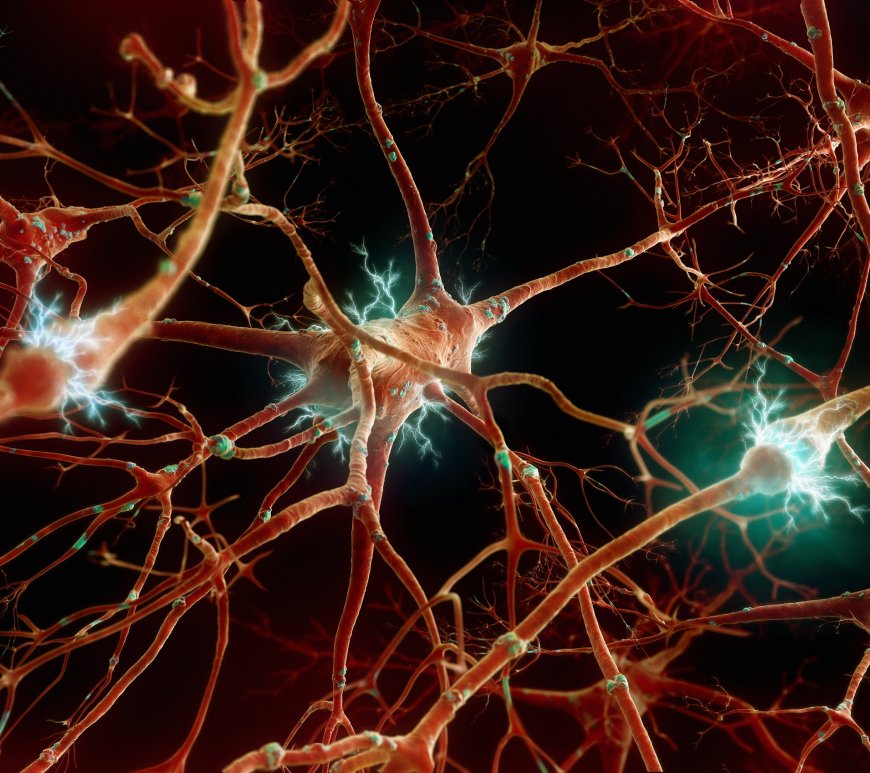
Reduced Insulin Levels Can Prolong Neuron Longevity

By Maryna Mullerman ’20 Reduced insulin-like signaling (IIS) can lead to diabetes and damage of neuronal function in metabolism. However, chronically lowered insulin/insulin-like growth factor (IGF) may improve neurodegenerative disease defects. Hrvoje Augustin and researchers at University College London analyzed the escape response mechanism of the fly Drosophila melanogaster and the effects of genetically weakened insulin signaling on this model. This was done to explore … Continue reading Reduced Insulin Levels Can Prolong Neuron Longevity

Figure 1. Human viability depends on many genetic variants, including those of evolutionary importance.

What Affects Human Viability?

By Maryna Mullerman ’20 Human viability is the survival of individuals after birth, and more research is needed to understand how associated genetic factors affect human survival and life expectancy. Dr. Hakhamanesh Mostafavi and researchers at Columbia University in New York developed a method to recognize genetic variants that influence human survival. The proposed method would provide information about human fitness in the environment and … Continue reading What Affects Human Viability?

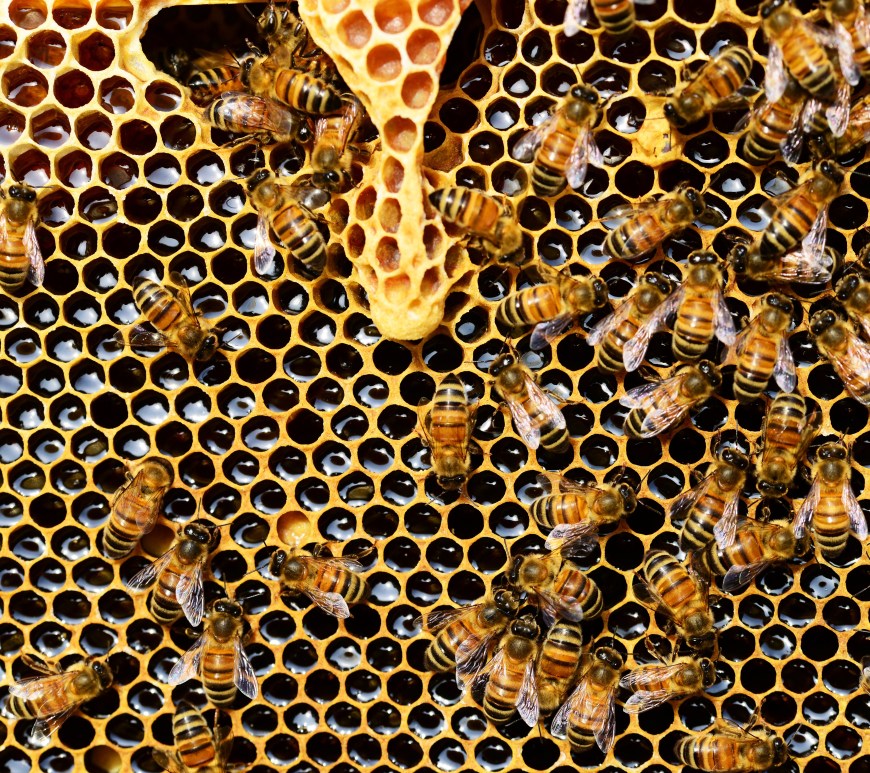
Figure 1. A honeybee larva can either become a queen or a worker bee depending on the food and nutrients it consumes.

The Role of Plant RNA in Honeybee Caste Development and Evolution

By Maryna Mullerman ’20 Doctor Kegan Zhu and researchers from Nanjing University in China investigated the effects of plant microRNAs (miRNAs) on larval development and differentiation in honeybees. The study’s results provide another approach to the understanding of co-evolution of different species and cross-kingdom interactions. The researchers hypothesized that miRNAs from different sources affected larval development. They recognized that plant miRNAs could be ingested by … Continue reading The Role of Plant RNA in Honeybee Caste Development and Evolution

Figure 1. Scientists from UCLA controlled expression of genes Drp1 and Atg1 in fruit flies to promote breakdown and removal of damaged mitochondria.

Controlling Mitochondria to Stop the Clocks

By Meghan Bialt-DeCelie ’19 The respiratory function of the mitochondrion, the energy producing organelle found in the cell, can decline over time. This is because of how the mitochondrion enlarge and assume a more elongated shape. Typically, that mitochondrion will eventually break down and get removed processes called mitochondrial fission and mitophagy respectively. Accumulation of the ineffective mitochondria and inability to remove them are major … Continue reading Controlling Mitochondria to Stop the Clocks