

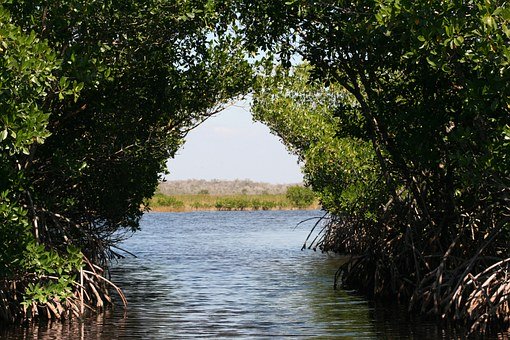
Threatened mangrove forests can regenerate carbon stocks to defer climate change
Joyce Chen ’23 Shrimp is currently in high demand and is the most-consumed seafood in the United States. However, farming shrimp comes with a large sacrifice. Shrimp are found in shrimp ponds, which are converted from mangrove forests; these forests are known for sequestering, or storing, carbon, thereby delaying global warming. With the expansion of shrimp aquaculture, mangrove forests have depleted significantly, losing up to … Continue reading Threatened mangrove forests can regenerate carbon stocks to defer climate change

 Young Investigators Review