

By Julia Newman ’19
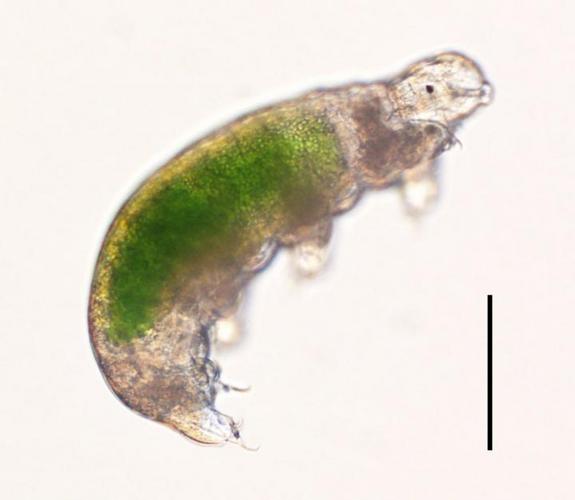
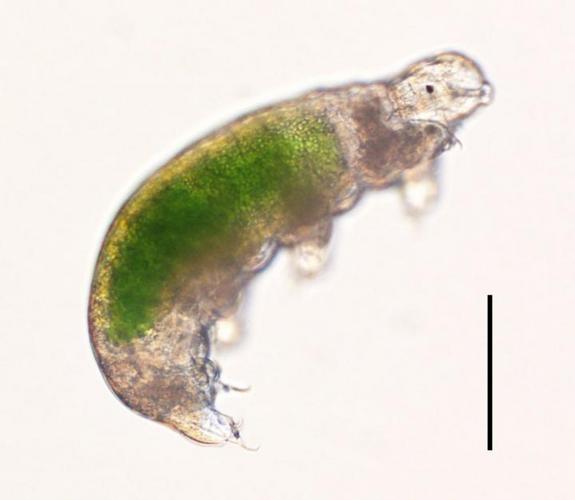
After thirty years of a frozen, hibernation-like state, two tardigrades have not only “awakened” but have already begun to reproduce. Back in 1983, these microscopic water bears were found living in an Antarctic moss at temperatures as low as -20 degrees Celsius. Scientists that previously knew of the tardigrades’ ability to survive in extreme conditions experimented with two specimen and an egg by inducing a state of cryptobiosis. It is this process that allows tardigrades to produce a protective coating around themselves and thus survive until the poor environmental conditions around them improve.
Less than two weeks after their “sleep” state was lifted, the tardigrades began to eat algae, and in just an additional two weeks one of them reproduced. Shortly after that, the egg hatched and began to reproduce as well, proving these organisms’ ability to survive through long periods of adverse conditions. Now scientists are studying the tardigrades’ reparation of DNA after revival in an attempt to find similar ways to treat humans with damaged DNA.
References:
- Image retrieved from: http://www.livescience.com/53781-tardigrade-revived-after-30-years.html
- Weisberger, 30-year deep freeze just puts tardigrade in the mood. Live Science (2015).
 Young Investigators Review