

By Meghan Bialt-DeCelie ’19

Using microbes is one of the more unique ways of protecting plants from abiotic and biotic stresses of the environment. Researchers from the University of Copenhagen discovered a novel method for bacteria to produce a plant hormone called cytokinin that can biocontrol plants.
Cytokinin is responsible for a wide range of functions including cell division, nutrient mobilization, and seed germination. There are a couple of possible ways that the bacteria may help plants survive in the presence of pathogens. The bacteria-produced cytokinin may allow the plant to survive by maintaining its highest biomass yield even with pathogens present. The hormone may also protect the plant by directly activating mechanisms for plant pathogen resistance.
The novel strategy of using bacteria to produce cytokinin for plant defense allows plants to survive the ever-changing environment.
References:
Breakthrough: microbes protect plants with plant hormones. Science Daily (2016).
K., Großkinsky et al., Cytokinin production by pseudomonas fluorescens g20-18 determines biocontrol activity against pseudomonas syringae in arabidopsis. Scientific Reports (2016).
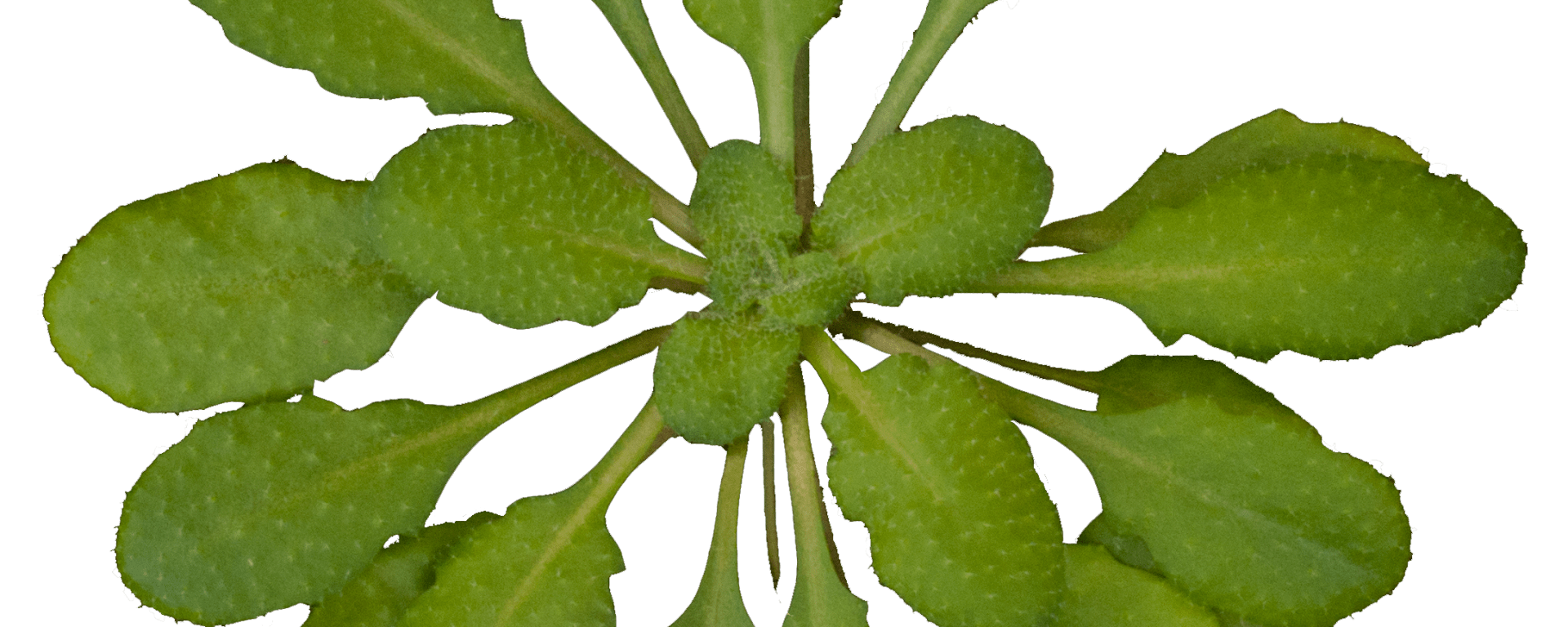
Image Acquired from: https://commons.wikimedia.org/wiki/File:Arabidopsis_thaliana_rosette_transparent_background.png
 Young Investigators Review
