
Author: Luis Caseñas, Class of 2026

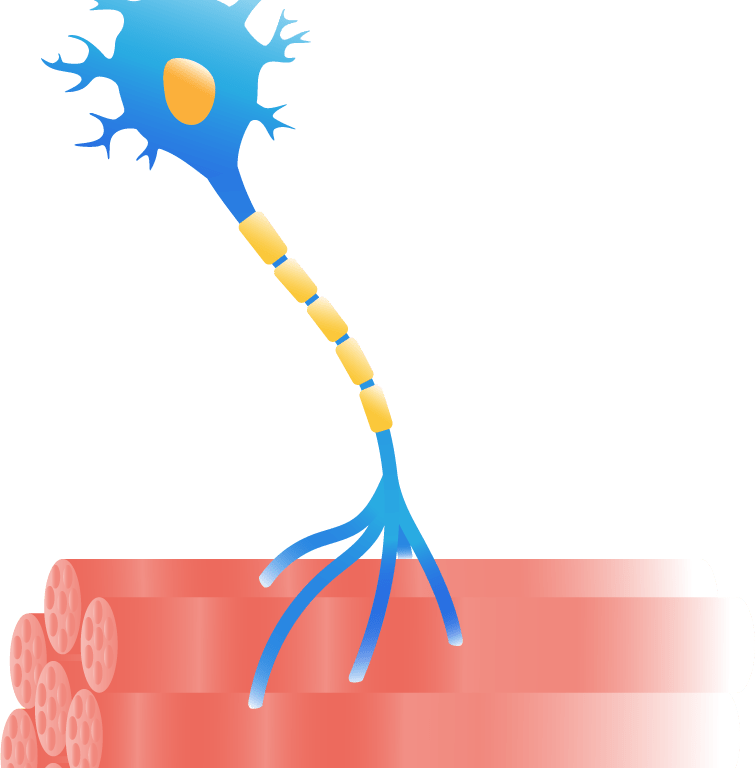
Figure 1: Amyotrophic Lateral Sclerosis (ALS) is a neurological disease that triggers the degeneration of one’s Central Nervous System. Specifically, ALS targets motor neurons (pictured above) essential to muscle control and coordination.
Amyotrophic Lateral Sclerosis (ALS) is a neurodegenerative disease that targets motor neurons in the Central Nervous System. This degeneration inevitably leads to gradual loss of muscle control and weakness to the point of severe dysfunction. A point of study in ALS research is TDP-43, a protein that regulates RNA processing. In certain neurological diseases, TDP-43 proteins become misfolded, mislocalized, and improperly aggregated–a process known as proteinopathy. TDP-43 proteinopathy is reminiscent of prion diseases but differs from them in certain critical elements: while progression in prion disease is self-sustaining, the cellular processes driving TDP-43 proteinopathy are currently unknown. Understanding the mechanism by which TDP-43 proteinopathy is self-sustained can be a means by which scientists try to prevent the disease altogether.
Dr. Josh Dubnau, a professor of Neurobiology at Stony Brook University, tackled this question by studying genetically modified Drosophila fly strains and using cell culture assays. First, researchers at the Dubnau lab studied male flies from strains that produced human TDP-43 proteins rather than their normal counterparts. Specifically, they induced the overexpression of TDP-43 in cells to model disease onset as it would occur in a normal human. As expected, this caused the mislocalization and aggregation of TDP-43 in the cytoplasm, leading to cell death. Although this comes as little surprise, what researchers found next was intriguing.
Endogenous retroviruses (ERVs) are remnants of ancient retroviral infections still in our genome. While generally benign, ERVs become harmful under certain conditions, like after viral infections or random mutations. As the Dubnau lab has recently discovered, ERVs can also play a role in the progression of TDP-43 proteinopathy. Initially, Drosophila mdg4-ERV expression in cells was reduced, and researchers found pathology arising from TDP-43 heavily decreased, which indicated it played some role in proteinopathy. Further examination of mdg4-ERV in cell cultures showed that mdg4-ERV could transmit to other cells–and in those cells, cell death occurred. This reinforces the notion that ERVs play an important role in TDP-43 proteinopathy, and suggests a positive feedback mechanism between the TDP-43 protein and ERVs that sustains disease progression: TDP-43 dysfunction triggers ERV expression which induces TDP-43 dysfunction in other cells, and the loop continues.
This TDP-43/ERV loop explains the self-sustaining mechanism missing from TDP-43 proteinopathy compared to prion disease. In addition, it provides insight into understanding the big picture of ALS progression. With neurological disease as a major cause of dysfunction worldwide, the implications of this research are profound. Through further study into TDP-43/ERV interactions and certain therapies to target them, medical advancement can be made for a field–and people–in need.
Work Cited:
[1] Chang, YH., Dubnau, J. Endogenous retroviruses and TDP-43 proteinopathy form a sustaining feedback driving intercellular spread of Drosophila neurodegeneration. Nat Commun 14, 966 (2023). https://doi.org/10.1038/s41467-023-36649-z
[2] Image retrieved from: https://commons.wikimedia.org/wiki/File:Motor_Unit.png
 Young Investigators Review
