

Asher Agarwal, Class of 2027
Parkinson’s disease (PD), the second most prevalent neurodegenerative disease, is caused by the loss of dopaminergic neurons in the substantia nigra, a region important for the modulation of motor control. The classic triad of Parkinson’s symptoms is tremors, rigidity, and bradykinesia (slowness of movement). Recent research has been investigating the gastrointestinal (GI) symptoms associated with Parkinson’s. Evidence suggests the existence of a gut-brain axis in Parkinson’s pathology, where alpha-synuclein (the protein responsible for neuronal death) may originate in the gut and spread to the brain. This theory aligns with the fact that constipation is a prodromal (period before characteristic symptoms occur) symptom of PD.
The Mediterranean diet (MediDiet) is known for its potential neuroprotective benefits. In a study from 2024, researchers, led by Carley Rusch, from the University of Florida set out to find if MediDiet intervention can alleviate constipation, permeability issues, and GI inflammation associated with PD. They hypothesized that, in conjunction with standard constipation management, MediDiet would significantly improve these symptoms.
36 Parkinson’s patients with constipation were recruited for a randomized controlled trial and split between one control group that received standard constipation care and one experimental group that received MediDiet counseling in addition to standard care. An 8-week MediDiet intervention was conducted, with assessments taken at baseline, 4 weeks, and 8 weeks. Assessment measurements included constipation symptoms via the GI Symptom Rating Scale, dietary intake via 24-hour recalls, intestinal permeability via the presence of zonulin in feces, inflammation via the presence of calprotectin in feces, and gut microbiota composition via rRNA sequencing.
Data analysis from the trials showed statistically significant improvements in constipation and abdominal pain scores in the MediDiet group. The MediDiet group also had greater fiber intake at week 4 than the control group. No significant differences in fecal zonulin were found between the groups; however, the MediDiet group had lower levels of calprotectin at week 8, indicating less inflammation in those patients.
This study revealed that both the MediDiet and standard intervention groups experienced reduced GI symptoms. However, MediDiet patients had additional improvements in dietary fiber intake and reduced intestinal inflammation. This research provides critical insight into possible treatments and lifestyle changes for non-motor PD symptoms. Future studies should explore the mechanism underlying the improvements observed with the MediDiet and its potential connections with the gut-brain axis. More long-term research is critical for understanding how the MediDiet truly affects PD progression and symptoms.
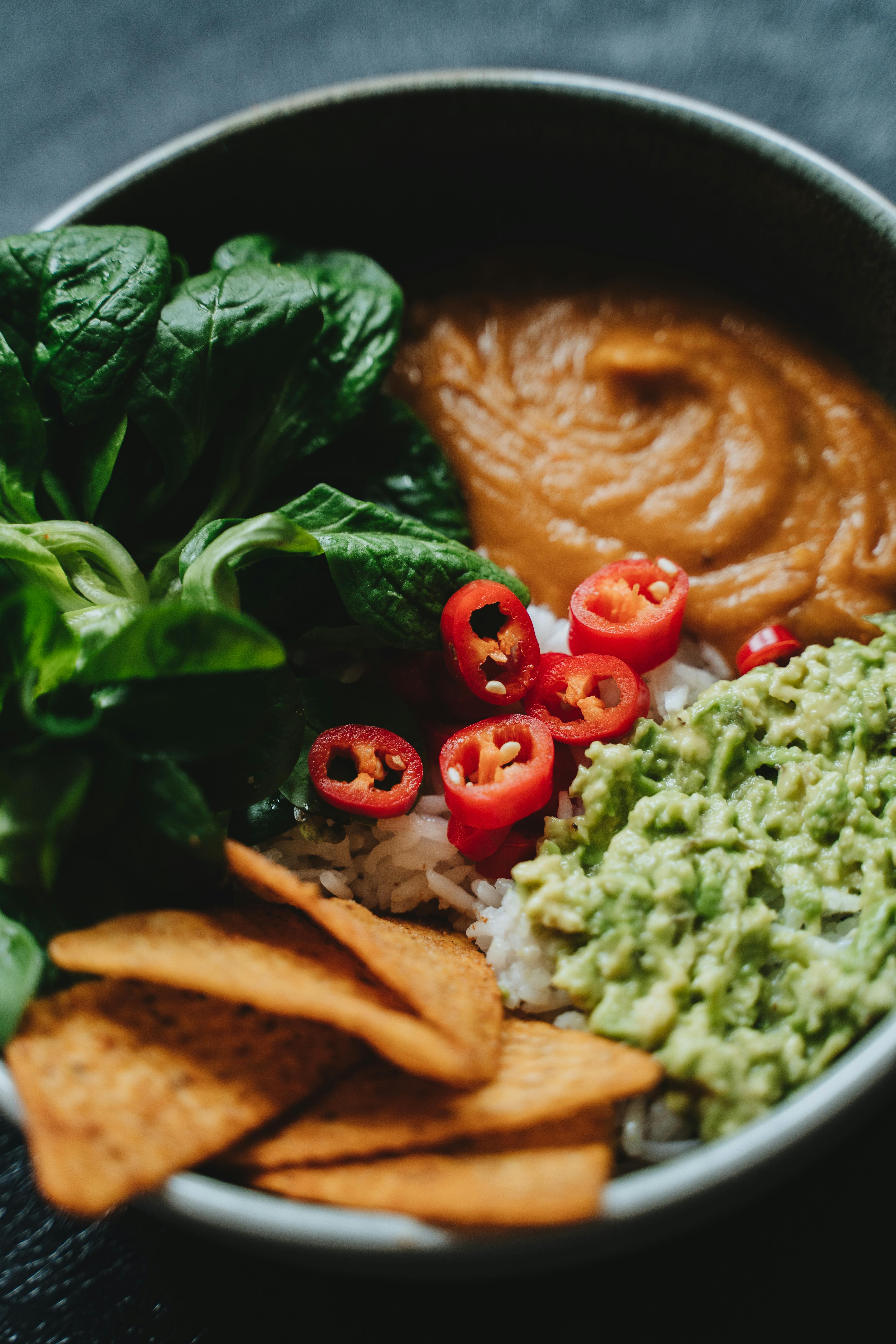
Figure 1: A Mediterranean dish.
Works Cited:
[1] C. Rusch, et al., “Promotion of a Mediterranean Diet Alters Constipation Symptoms and Fecal Calprotectin in People with Parkinson’s Disease: A Randomized Controlled Trial.” Nutrients 16, 2946 (2024). doi: https://doi.org/10.3390/nu16172946
[2] Image retrieved from: https://www.pexels.com/photo/food-healthy-vegetables-red-6544384/
 Young Investigators Review