

By Kang Lai, Class of 2026
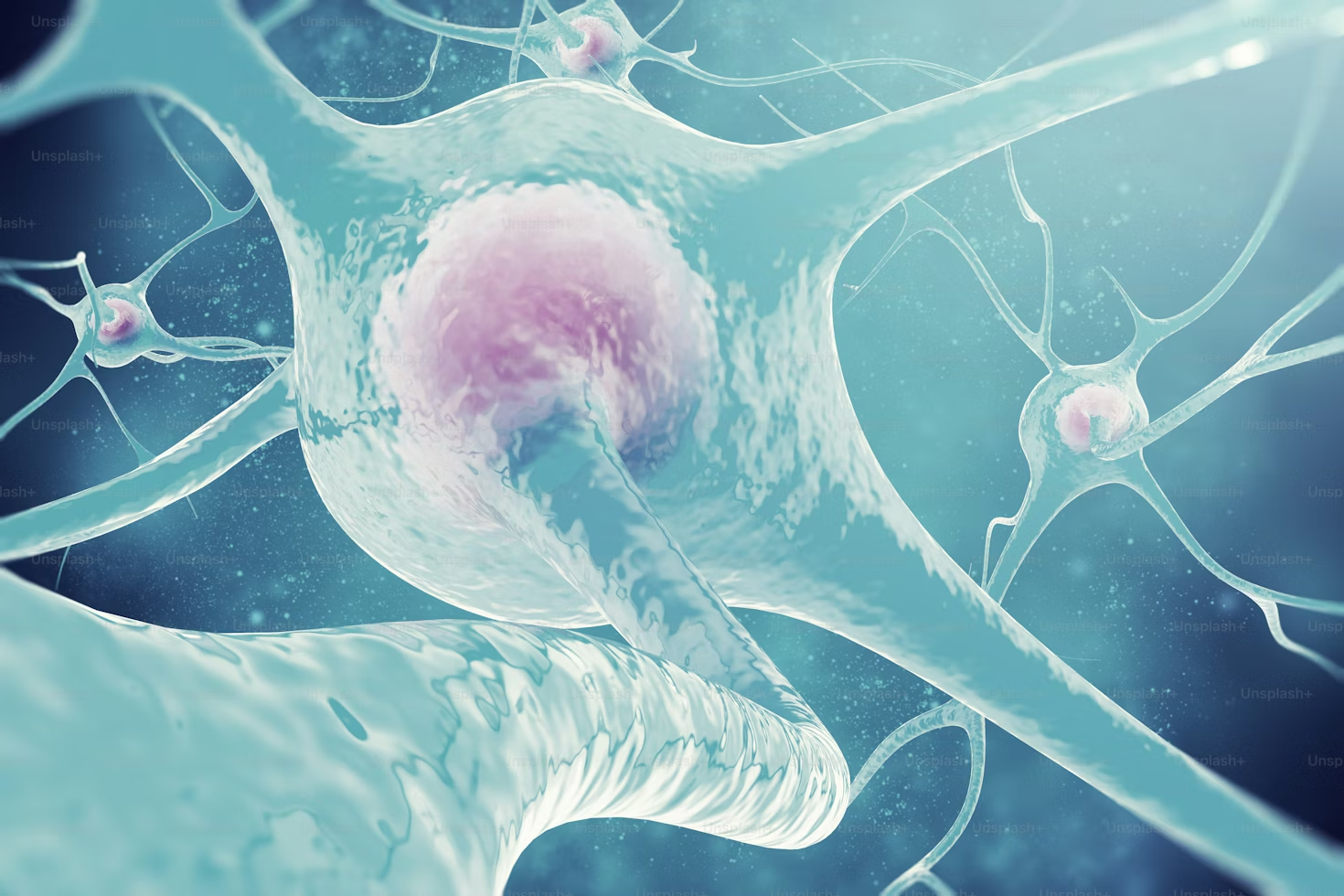
Parkinson’s Disease (PD) is a prevalent neurodegenerative disorder characterized by the progressive loss of dopaminergic neurons in the substantia nigra, a crucial dopamine-producing region in the midbrain. Recent studies conducted by Markus Reissland and colleagues at Stony Brook University have investigated cellular senescence transcriptional regulators as potential drivers of senescence and Parkinson’s Disease progression..
Cellular senescence is defined by an irreversible cell-cycle arrest triggered by cellular stressors such as DNA damage, oxidative stress, oncogene activation, or mitochondrial dysfunction. Upstream senescence-associated transcriptional regulators (SATRs) have been known to modulate specific hallmarks of senescence based on cell type. The study chose to focus on SATR TFAP4 based on previous research linking TFAP4 with senescence markers in fibroblasts.
To characterize senescence across the brain, human cell lines of astrocytes, endothelial cells, microglia, oligodendrocytes, and neurons were treated with chronic 5-Bromodeoxyuridine (BrdU), a common inducer of DNA damage–mediated senescence. Classical senescence hallmarks such as percentage of positive cells, proliferation arrest, nuclear size, and senescence marker staining were measured. The expression of canonical senescence markers such as p21, p16, mitochondrial dysfunction, and lysosomal accumulation varied across cell types. Notably, no single cell type displayed all classical hallmarks, underscoring the context-dependent nature of senescence.
Knockdown models of TFAP4 revealed its role as a key upstream regulator in several senescence hallmarks in a cell type-dependent manner. TFAP4 reduction showed increased p21 expression, mitochondrial and lysosomal accumulation, and increased MIR22HG levels—a noncoding RNA that promotes DNA damage—ultimately leading to DNA damage, particularly in astrocytes. Importantly, TFAP4 was observed at lower levels in human PD brain tissue and similarly in mouse models of PD.
To assess in vivo models of PD, the study used paraquat treatment, an environmental toxin that is epidemiologically linked to PD. Paraquat treatment exhibited a loss of dopaminergic neurons and midbrain inflammation, increased DNA damage, morphological cell changes, and decreased TFAP4 levels. These findings strengthen TFAP4 decline and cellular senescence as a relevant disease regulator of PD.
These findings highlight cellular senescence in the human brain as a highly context-dependent program determined by cell and inducer identity. Through systematic profiling of five major brain cell types and shared transcriptional senescence regulators, the SATR TFAP4 in particular reveals that senescence may be governed by upstream regulators. Importantly, this study shows how PD may involve more than protein aggregation and mitochondrial failure, but also dysregulated senescence signaling as an active contributor to PD pathogenesis.
Work’s Cited:
[1] Russo, T., Plessis-Belair, J., Sher, R. et al. Systematic profiling reveals distinct senescence signatures and regulators across human brain cell types. Nat Commun 16, 11059 (2025). https://doi.org/10.1038/s41467-025-66012-3
[2]https://unsplash.com/photos/neurons-of-the-nervous-system-3d-illustration-of-nerve-cells-aNna7e9jDCE

