
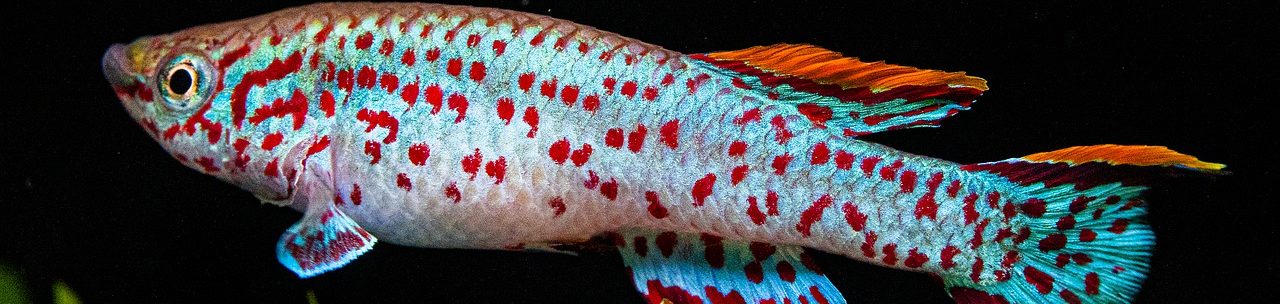
By Kang Lai, Class of 2026
Obesity is a major risk factor for hypertension, a condition in which arterial blood pressure remains constantly elevated above normal levels. While white adipose tissue has long been associated with increased blood pressure and cardiometabolic disease, brown or beige fat has been linked with cardiometabolic protection and reduced odds of hypertension. What remains unknown, however, is the crosstalk between adipose tissue and blood vessels to influence vascular remodeling and blood pressure.
In the Laboratory of Molecular Metabolism at Rockefeller University, Koenen and his team investigated how beige fat communicates with blood vessels to regulate blood pressure. In mice, beige fat closely resembles inducible thermogenic fat in adult humans, making it an important model to study adipose-vascular interactions.
Beige adipocyte biogenesis is dependent on a transcriptional regulator PR domain-containing 16 (PRDM16). When PRDM16 is deleted specifically in adipocytes through PRDM16 knock-out mice, beige fat loses its thermogenic identity, its ability to burn energy and produce heat. Using adipocyte-specific PRDM16 knock-out (PRDM16cKO) mice and radiotelemetric monitoring devices, researchers observed sustained elevated systolic, diastolic, and mean arterial blood pressures. Functional vascular studies, such as pressure myography, showed that PRDM16cKO mice demonstrated increased sensitivity to angiotensin II (ANGII), a potent vasoconstrictor. Additionally, qPCR, Western Blot, and ELISA revealed increased collagen deposition and extracellular matrix (ECM) in the arterial walls of PRDM16cKO mice, consistent with vascular fibrosis.
Further analysis using transcriptomic analysis revealed quiescin sulfhydryl oxidase 1 (QSOX1) as an adipocyte-derived and PRDM16-regulated enzyme. Prior research showed that QSOX1 catalyzes disulfide bridge formation and regulates ECM assembly in cancer. In vascular physiology, when QSOX1 was specifically deleted in adipocytes, there was no effect on adipose tissue weight, insulin resistance, or reactivity to ANGII. Subsequently, mice with adipocyte-specific double deletion of PRDM16 and QSOX1 were generated to determine whether QSOX1 was required for vascular fibrosis and ANGII-mediated vasoconstriction shown in PRDM16 knockout mice. Strikingly, simultaneous loss of PRDM16 and QSOX1 in adipocytes prevented vascular fibrosis and ANGII-mediated hypercontractility originally observed in PRDM16cKO mice.
Together, these findings revealed that adipocyte identity, not just fat mass, plays a critical role in vascular regulation. The presence of beige adipocyte tissue, shown through protein PRDM16 and QSOX1 enzyme expression, plays a protective role in maintaining vascular physiology. By identifying QSOX1 and PRDM16 as important factors in regulating vascular health, this study opens new avenues for targeted therapies in hypertension and cardiovascular disease.
[1] M. Koenen, et al., Ablation of Prdm16 and beige fat identity causes vascular remodeling and elevated blood pressure. Science 391, 306-313 (2026). doi: 10.1126/science.ady8644
[2]https://www.pexels.com/photo/heart-design-of-handmade-embroidery-3772488/

