

By Maegan Diep, Class of 2029
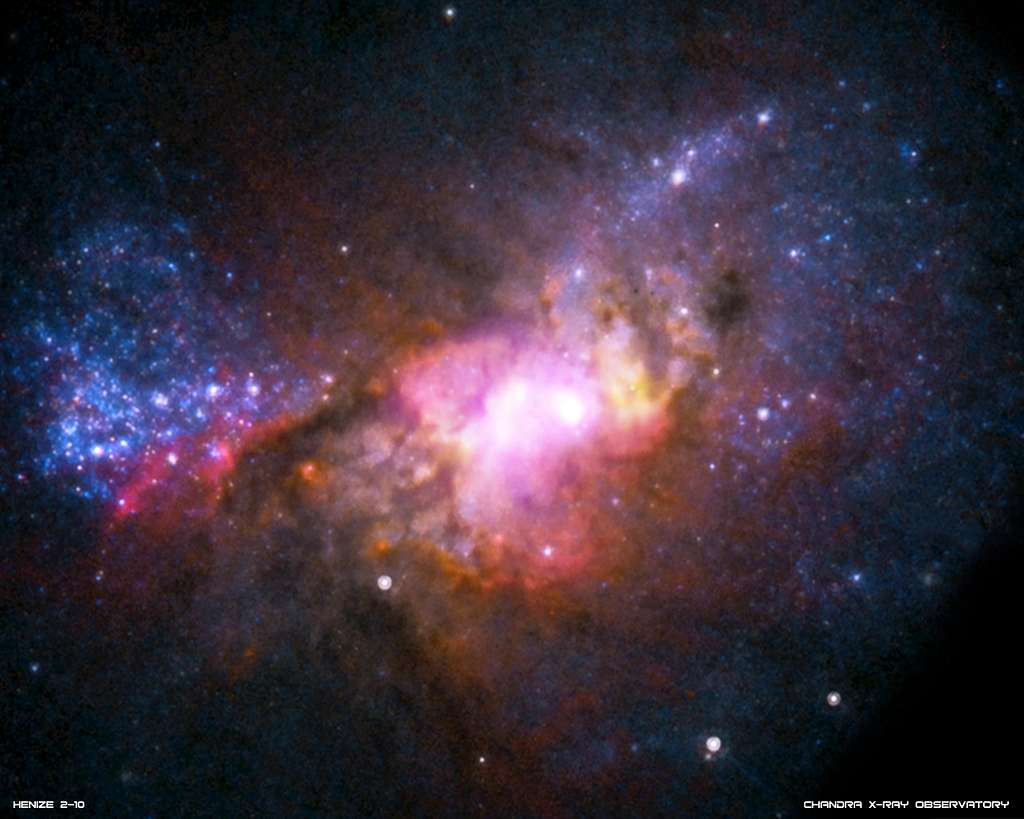
Figure 1. An image of the early cosmos, an example of what researchers may have based their virtual reality artworks on.
Since the COVID-19 pandemic, anxiety disorders have become increasingly prevalent, affecting 4% of the world’s population and roughly 50% of the Taiwanese population. Anxiety not only impacts mental health, but also can have effects on the cardiovascular and immune systems. Current research points to chromotherapy, or color therapy, as a noninvasive and effective approach in providing relief from anxiety. Specifically, chromotherapy refers to the practice of using colored light to promote balance and influence the overall well-being. With the rapid advancement of technology, a recent study conducted by researchers from the National Taichung University of Education in Taiwan explored the integration of technology with chromotherapy in reducing symptoms of anxiety.
This study applied color therapy to four virtual reality (VR) light-based art that was viewed using a Meta Quest 2 headset. A group of 40 salaried Taiwanese employees across seven companies, aged 25-55 and with mixed experiences with VR, participated in this two-stage experiment. The first stage induced anxiety to participants via the Trier social stress test (TSST), prior to chromotherapy. Afterwards, they filled out the State-Trait Anxiety Inventory (STAI) to assess their level of anxiety. They then watched a video of VR artworks that mimicked the cosmos/particles before filling out a post-STAI questionnaire. This video included four different color combinations, determined using color psychology: red-blue, orange-purple, yellow-green, and indigo-yellow. The second stage of the study isolated one of the four artworks and randomly assigned it to each participant. They were then prompted to fill out the Color Ambience and Imagery Perception Scale to ensure that their perception corresponds with the right visual stimuli.
Results of the study were based on the STAI pretest and posttest. Statistical analyses of anxiety scores revealed that there was an overall decrease in anxiety from exposure to immersive color therapy and light-based art. Most scores indicated that the color combinations brought about comforting feelings, with the exception of the orange-purple combination. Researchers provided the explanation that the mix of warm and cool colors could produce an ambiguous emotional signal between feelings of enthusiasm and peacefulness, causing alertness instead. On the other hand, the yellow-green combination received the highest score in inducing comfort.
This study ultimately reveals that color therapy in the form of VR artworks is effective in reducing anxiety, regardless of color combinations. When considering future studies, research should further investigate potential differences between sexes, given that this sample was a male majority and there are gaps in responses to these types of VR environments between men and women. Furthermore, a larger sample size can better allow the generalizability of results.
Work’s Cited:
[1] Lu, S., & Li, Q. (2025). The Impact of Virtual Reality Immersive Light Art on Anxiety Reduction: Exploring the Role of Color Combinations and Emotional Perception. International Journal of Human-Computer Interaction, 42(2), 1032-1042. https://doi.org/10.1080/10447318.2025.2518331
[2] Image retrieved from: https://picryl.com/media/the-early-cosmos-89b36f

