

By Maegan Diep, Class of 2029
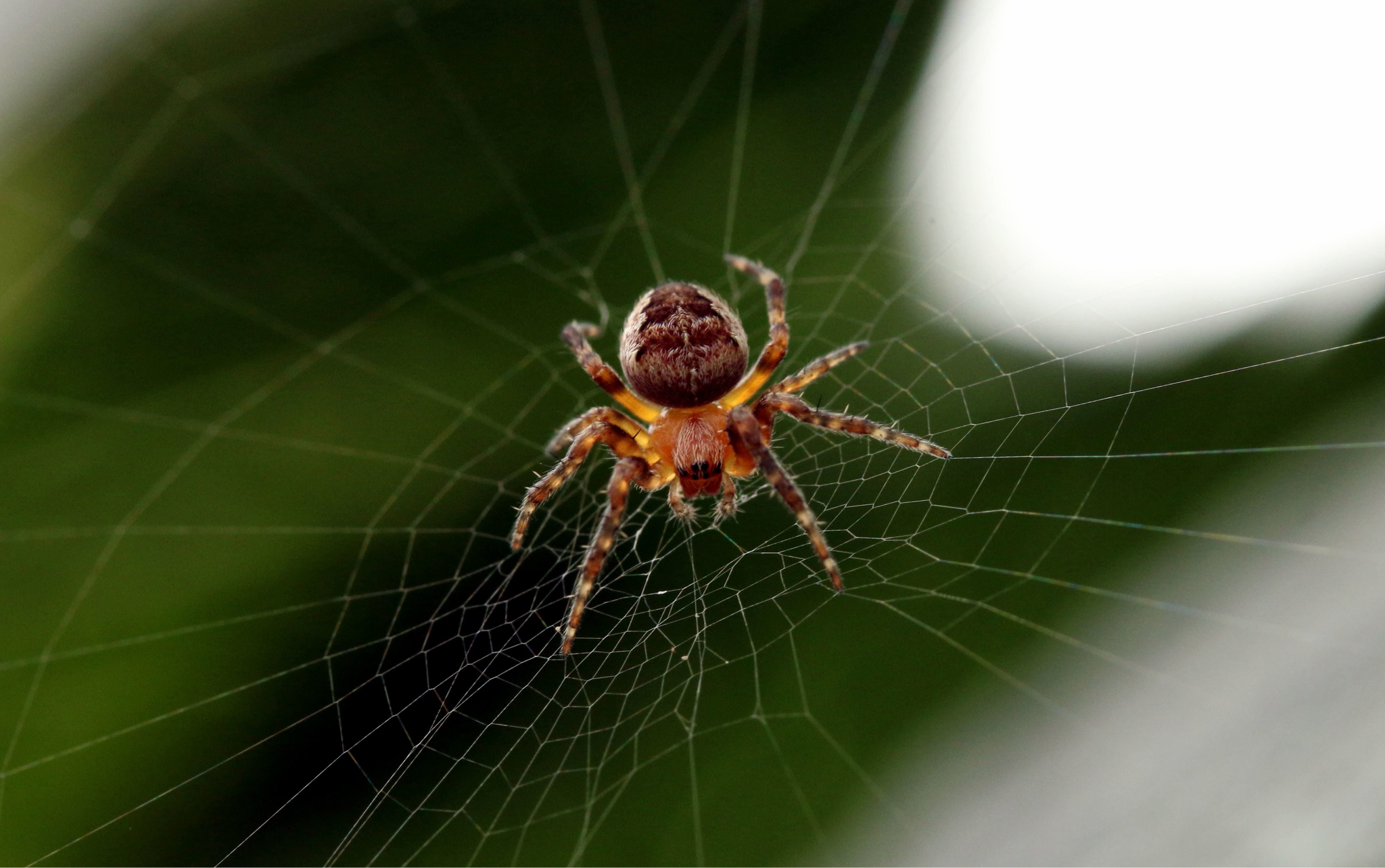
Figure 1. An image of a spider on the web.
Spider silk has served as an inspiration for a bio-engineered silk-based material in the textile industry. Its protein-based material opens possibilities for it to be designed to incorporate different functionalities, including different colors. In order to achieve intrinsically colored artificial spider silk, researchers from Sweden decided to investigate the application of fluorescent (light-emitting) or colored proteins to a newly-developed spinning process that would eliminate post-production dyeing.
Using the red fluorescent protein mCherry and the (A3I)3-(A)14 mini-spindroins, the structural proteins that give spider silk its strength and flexibility, a fusion protein was created: A3I-A-mCherry. Since initial tests demonstrated that this fusion protein could be produced in excess in E. coli cultures, researchers decided to apply this to scale up the amount of A3I-A-mCherry created in order to replicate real-world mass production. This resulted in a bright burgundy color, indicating that the fusion protein was successfully made. The amount produced also met researchers’ standard of what had been estimated as “economically feasible.”
After confirming that the fusion protein could be produced, researchers assessed fiber formation: its spinnability, stability, and fluorescence retention. In order to do so, solutions concentrated with A3I-A-mCherry were subjected to wet spinning, a process where the fiber was dissolved and extruded through a nozzle before entering a coagulation bath and dried afterwards. Early attempts revealed that the fusion protein failed to spin into continuous fibers because they were too brittle. However, upon mixing the protein with additional mini-spindroins, the resulting fibers were stable, continuous, and retained their burgundy color.
Ultimately, researchers were able to successfully fabricate intrinsically colored silk fibers using fusion proteins. This artificial silk offers a better alternative to traditional colored materials, as current dye synthesis often contributes to several health risks—causing different side effects depending on the heavy metal one is exposed to—and environmental harm, such as the excessive use and contamination of water. With the prospect of artificial spider silk in lieu of synthetic and chemically dyed fibers, an adaptable and more sustainable option becomes more of a possibility. Further research can be conducted to delve further into additional color options. Given that this study only focused on the mCherry protein, a larger range of colors could be investigated, such as artificial silk with green fluorescent protein.
Work’s Cited:
[1] Pessatti, T. B., Schmuck, B., Greco, G., Stadlmayr, S., Karlsson, E., Gross, B., Leppert, A., Landreh, M., & Rising, A. (2026). Intrinsically colored artificial silk fibers made from mini-spidroin fusion proteins. Communications Materials, 7(70), 1-8. https://doi.org/10.1038/s43246-026-01079-z
[2] Image retrieved from:https://pixnio.com/fauna-animals/insects-and-bugs/spiders-pictures/spider-spiderweb-tarantulla-trap-web-poisonous-insect-macro

