The Effectiveness of Wildlife Conservation

by Jenna Mallon (’18) Numerous organizations, such as the World Wildlife Fund, exist in order to help protect and save our environment and the animals that live in it. As scientists gain a better understanding of our impact on the world, wildlife conservation has become a more pressing issue. Since scientists must act fast in order to save species and ensure their propagation into the … Continue reading The Effectiveness of Wildlife Conservation

The Cardiotoxic Effects of Oil on Fish Embryos

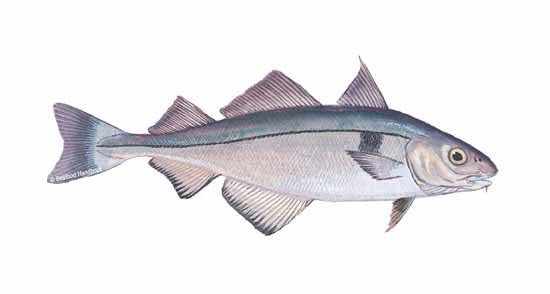
by Julia Newman (’19) Recent oil spills in the North Atlantic are currently causing detrimental effects not only on the water’s safety for humans, but also on the millions of fish species that live there. One species in particular, the Atlantic haddock, has shown a decreased survival correlated with the oil spills. This is a concern for both the ecosystems the fish are a part … Continue reading The Cardiotoxic Effects of Oil on Fish Embryos

Researchers Find Correlation Between Pollen Storages and Foraging Activity

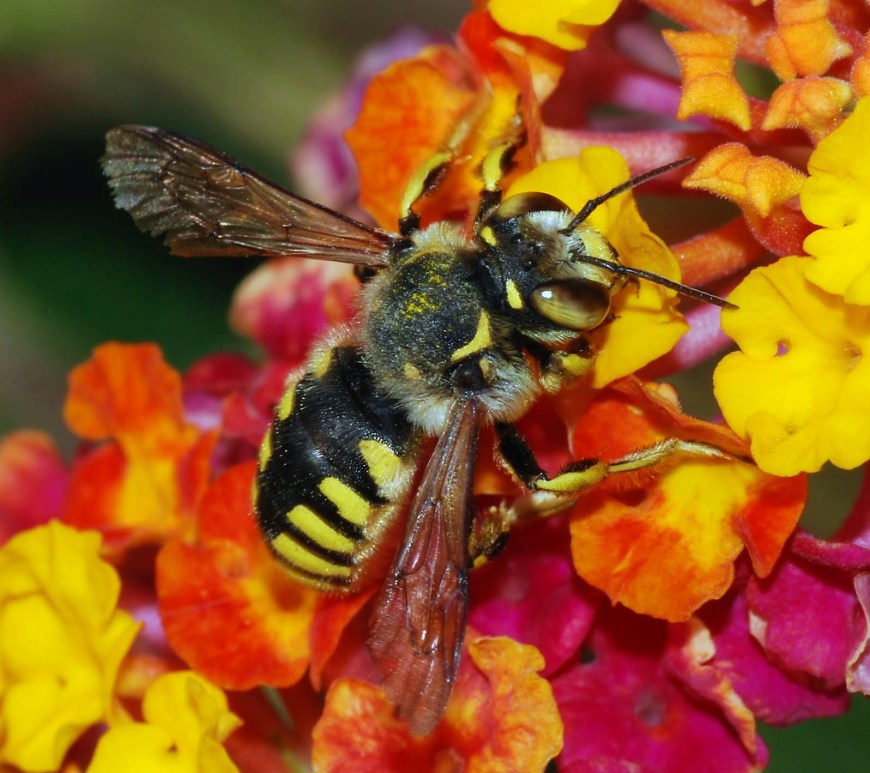
by Jenna Mallon (’18) A lot goes on inside the hives of Apis mellifera, commonly known as the western honeybee, to keep the colony of bees alive and healthy. Forager bees work outside the hive to collect water, pollen, nectar, and resin: all of which are necessary for the survival of the bees. Collecting pollen and understanding the behavior and action of forager bees has … Continue reading Researchers Find Correlation Between Pollen Storages and Foraging Activity