Figure 1. Human viability depends on many genetic variants, including those of evolutionary importance.

What Affects Human Viability?

By Maryna Mullerman ’20 Human viability is the survival of individuals after birth, and more research is needed to understand how associated genetic factors affect human survival and life expectancy. Dr. Hakhamanesh Mostafavi and researchers at Columbia University in New York developed a method to recognize genetic variants that influence human survival. The proposed method would provide information about human fitness in the environment and … Continue reading What Affects Human Viability?

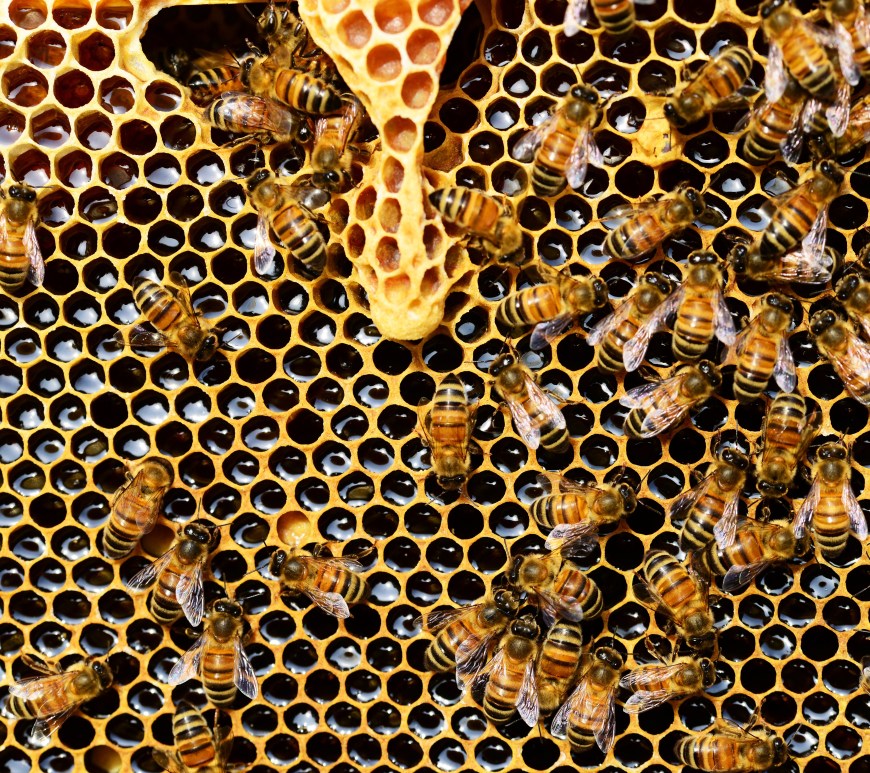
Figure 1. A honeybee larva can either become a queen or a worker bee depending on the food and nutrients it consumes.

The Role of Plant RNA in Honeybee Caste Development and Evolution

By Maryna Mullerman ’20 Doctor Kegan Zhu and researchers from Nanjing University in China investigated the effects of plant microRNAs (miRNAs) on larval development and differentiation in honeybees. The study’s results provide another approach to the understanding of co-evolution of different species and cross-kingdom interactions. The researchers hypothesized that miRNAs from different sources affected larval development. They recognized that plant miRNAs could be ingested by … Continue reading The Role of Plant RNA in Honeybee Caste Development and Evolution

Figure 1. Expressive writing may be a helpful tool for those who suffer from clinical levels of anxiety.

The Effect of Expressive Writing on Brain Activity in Chronic Worriers

By Meenu Johnkutty ’21 Chronic worriers may have one less reason to worry. A research study conducted by Michigan State University recently revealed positive effects of expressive writing, or writing down one’s deepest worries and fears, on brain activity in worriers. In order to observe whether a correlation exists between expressive writing and chronic worrying, MSU researchers relied upon measurements of error-related negativity (ERN). ERN … Continue reading The Effect of Expressive Writing on Brain Activity in Chronic Worriers

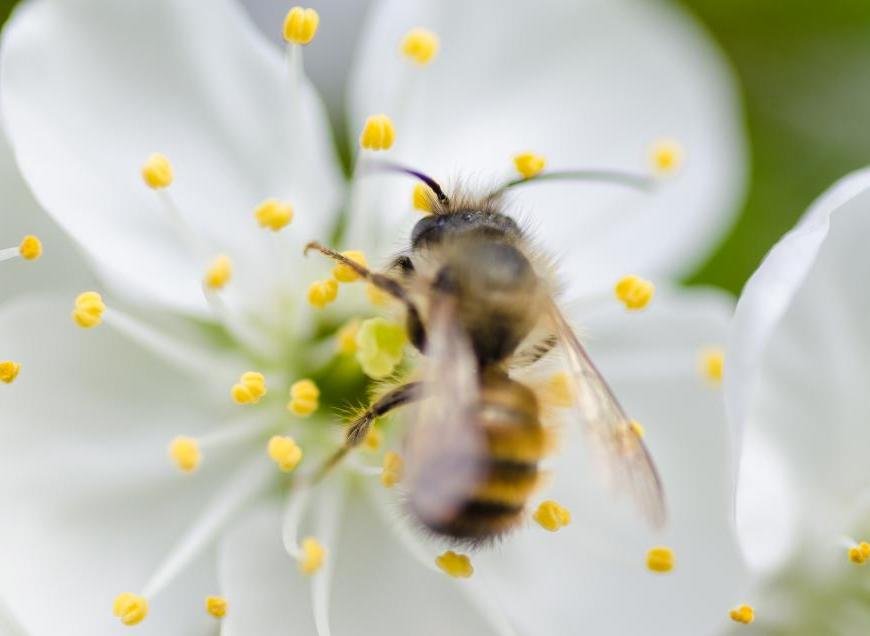
Figure 1. In light of recent climate change predictions, increasing biodiversity in bee populations may be crucial to coffee sustainability in Latin America.

Using Biointelligence to Combat the Effects of Climate Change on Coffee Agriculture

By Meenu Johnkutty ’21 For a number of years, many scientific models predicted a decline in bee populations due to the increase in the use of bee-killing pesticides in industrial agriculture. As global temperatures continue to rise, it is expected that biodiversity among bees will also continue to decrease, jeopardizing the pollination of many crops. As pollinators are essential to the pollination of the coffea … Continue reading Using Biointelligence to Combat the Effects of Climate Change on Coffee Agriculture

Figure 1. Listening to happy music improved subjects’ scores in creative thinking.

The Effect of Happy Music on Creative Thinking

By Meenu Johnkutty ’21 Innovative solutions are needed to solve the world’s most pressing problems and therefore; creativity is essential to the advancement of society. A recent study conducted by the Netherlands’ Radboud University, in collaboration with the University of Technology in Australia, shed light on how listening to happy music affects the formation of resourceful thoughts. The 155 participants that took part in the … Continue reading The Effect of Happy Music on Creative Thinking

Figure 1. Researchers from Brown University developed a 3-D printable biomaterial that can form reversible crosslinks.

Controlled Degradation of 3-D Printed Biomaterials

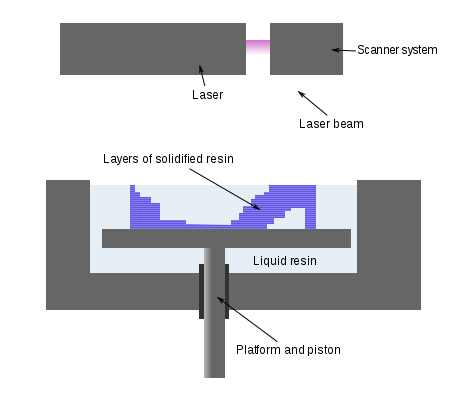
By Meghan Bialt-DeCelie ’19 The explosion of 3-D printing technologies allows custom and precise structures to be made quickly and inexpensively. Researchers led by Thomas Valentin from Brown University utilize stereolithographic 3-D printing to create biocompatible structures that could degrade in response to chemical cues. The technique of stereolithography involves shooting photons at unpolymerized materials causing them to form crosslinks with themselves to build a … Continue reading Controlled Degradation of 3-D Printed Biomaterials

Figure 1. Radiative sky cooling panels increases the electric efficiency of cooling systems by passively emitting heat into outer space.

Electric-less Cooling

By Meghan Bialt-DeCelie ’19 Cooling systems are one of the largest and most inefficient consumers of electricity. The goal of cooling systems is to reduce the condenser temperature to below the ambient temperature. Evaporative cooling systems can achieve this, but they require a great amount of water loss to do so. A new cooling alternative may be within reach as described in a study led … Continue reading Electric-less Cooling

Figure 1. Scientists from UCLA controlled expression of genes Drp1 and Atg1 in fruit flies to promote breakdown and removal of damaged mitochondria.

Controlling Mitochondria to Stop the Clocks

By Meghan Bialt-DeCelie ’19 The respiratory function of the mitochondrion, the energy producing organelle found in the cell, can decline over time. This is because of how the mitochondrion enlarge and assume a more elongated shape. Typically, that mitochondrion will eventually break down and get removed processes called mitochondrial fission and mitophagy respectively. Accumulation of the ineffective mitochondria and inability to remove them are major … Continue reading Controlling Mitochondria to Stop the Clocks

Figure 1. Cardiac imaging techniques, such as echocardiograms and cardiac MRI, allow us to view the structure of the heart in order to diagnose and monitor heart disease.

New Model Predicts How Genetics Affects Heart Structure

By Gene Yang ’19 Congenital heart disease is the most common birth defect in the world. This broad group of genetic conditions affect the heart’s structure and function in different ways, with symptoms ranging from harmless to fatal. However, very little is known about how a human’s genetic makeup affects cardiovascular development. A recent study, which constructed a model that predicts correlations between genetics and … Continue reading New Model Predicts How Genetics Affects Heart Structure

Figure 1. The benthic zone, which includes the sea floor, sediment, and surrounding waters, is the lowest ecological level in a body of water.

Warming Waters Unexpectedly Alters Growth of Antarctica’s Sea Life

By Gene Yang ’19 In shallow Antarctic waters, a nine-month long study was the first of its kind to artificially warm conditions in the sea floor to predicted climate change levels, and in doing so, the researchers saw an increase in the growth rates of select species. Scientists placed artificial “settlement panels” on the sea floor of shallow Antarctic waters. The composition of these panels … Continue reading Warming Waters Unexpectedly Alters Growth of Antarctica’s Sea Life

Figure 1. Ghost crabs are Crustaceans of the subfamily Ocypodinae, found in intertidal zones in America’s Pacific Coast and elsewhere around the world.

Crustacean Body Size Changes with Climate

By Gene Yang ’19 Crustaceans play an important role in coastal ecosystems, an area of research that can provide new insight into climate change. A recent study found a correlation between body sizes of intertidal crustaceans, latitude, and sea-surface temperature. A collaboration of researchers from six universities sampled the body sizes of four keystone crustacean species from 44 sandy beaches in California and Chile: high-shore … Continue reading Crustacean Body Size Changes with Climate

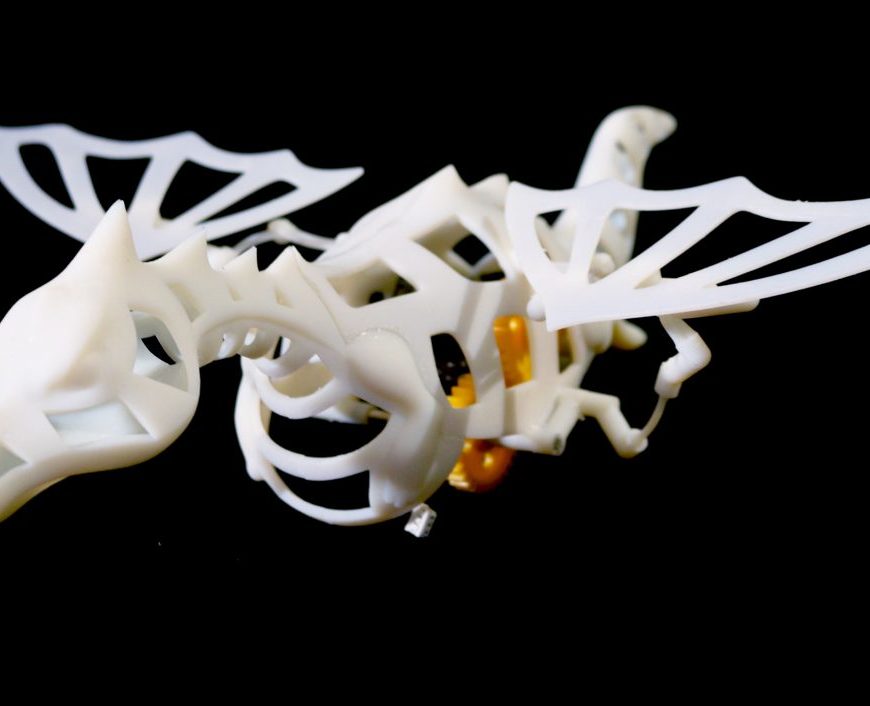
Figure 1. Despite being known for entertainment, Disney has also gained an edge in technological research via 3D printing and modeling. Shown here is one of the compliant mechanisms created in a study from Disney’s research division.

New Disney Study Suggests More Effective 3D Printing Designs

By Caleb Sooknanan ’20 Compliant mechanisms are mechanisms that can transfer forces or displacements to other points along their bodies. 3D printing can be used to quickly and effectively design compliant mechanisms for commercial use, but more work is needed to understand how such devices can be printed. Doctor Bernhard Thomaszewski and researchers from Disney Research Zurich in Switzerland devised a computational tool that would … Continue reading New Disney Study Suggests More Effective 3D Printing Designs