Hippocampal interneuron activity drives functional hyperemia leading to neurovascular disfunction and Alzheimer’s Disease

Author: Kang Lai, Class of 2026 Functional hyperemia, or the dilation of blood vessels in response to increased metabolic activity, is critical for regulating the levels of oxygen and glucose in the brain. Moreover, it facilitates the clearance of metabolic byproducts such as amyloid-β peptide (Aβ), an accumulation of which underlies Alzheimer’s disease. In Alzheimer’s Disease (AD), disruptions in vascular dynamics are significant but poorly … Continue reading Hippocampal interneuron activity drives functional hyperemia leading to neurovascular disfunction and Alzheimer’s Disease
Anti-Microglial Hyperactivity Drug Action May Block Alzheimer’s Disease Progression

Vignesh Subramanian ’24 Alzheimer’s disease (AD) is a neurodegenerative disorder characterized by progressive loss of memory, critical thinking skills, and behavioral capabilities that typically worsens with age. As the most common form of late-stage dementia, numerous risk alleles – variants of a gene that make a particular disease’s development more likely – have been identified for AD. Prominent among these is the triggering receptor expressed … Continue reading Anti-Microglial Hyperactivity Drug Action May Block Alzheimer’s Disease Progression

Dopamine Circuits: Investigating Relationships Between Dopamine Dysregulation and Midbrain Circuits

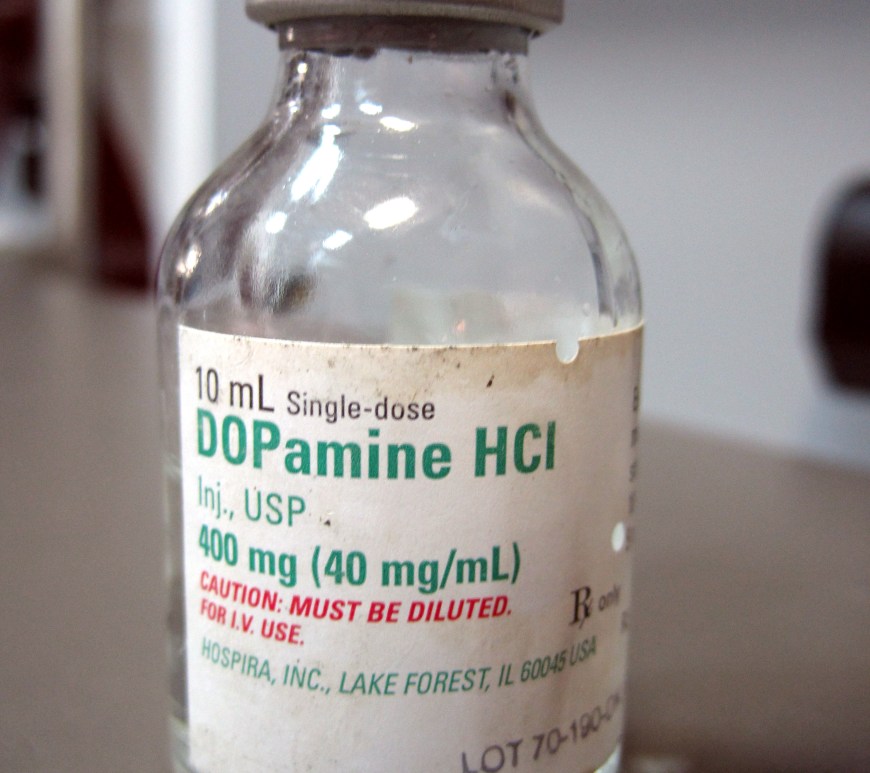
Daphne Siozios ’23 Dopamine (DA) is a behavioral neuromodulator that controls the function of the central nervous system through a variety of roles from memory processing and perception to learning and habit formation. The mesolimbic DA pathway, which travels specifically through the midbrain, has been linked to neural deficits caused by a lack of dopamine neurons in the striatum. While research regarding DA’s dysregulation has … Continue reading Dopamine Circuits: Investigating Relationships Between Dopamine Dysregulation and Midbrain Circuits

Presence of Social Supports Counteracts Physical Brain Changes Associated with Dementia

Vignesh Subramanian ’24 Alzheimer’s disease and related disorders (ADRD) are neurodegenerative dementias that cause progressive loss of memory, critical thinking skills, and behavioral capabilities that typically worsen with age. However, certain older adults with significant degrees of ADRD-associated pathologies are not as vulnerable to the age- or disease-related physical changes in the brain that precede the development of dementia. These adults are classified as “cognitively … Continue reading Presence of Social Supports Counteracts Physical Brain Changes Associated with Dementia