

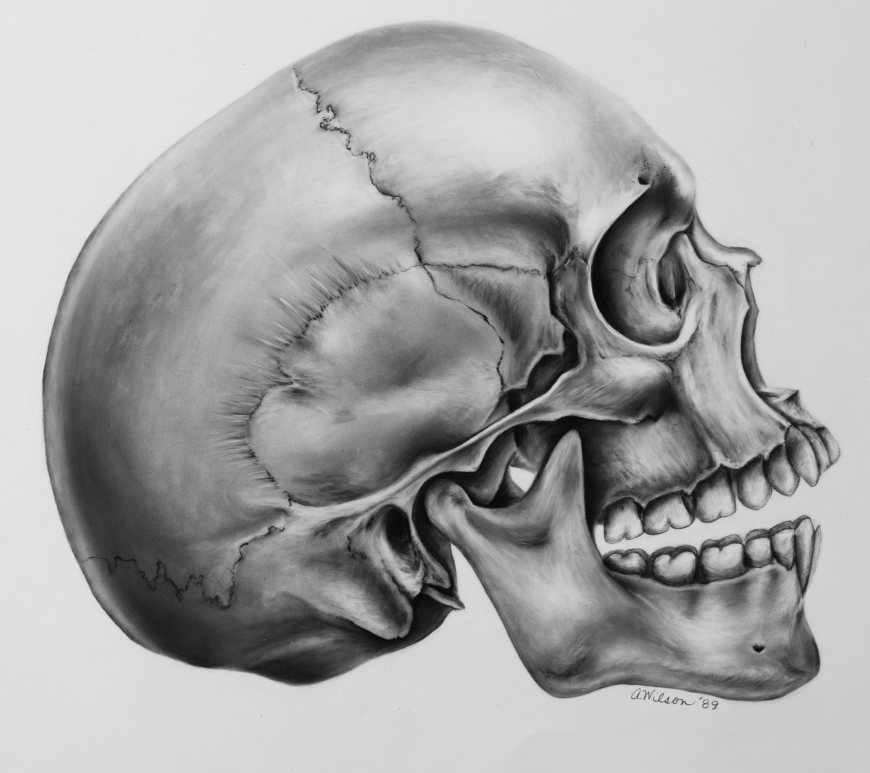
Art and Medicine: The Effects of Technical Drawing Exercises on Spatial Visualization of Humans
Thumyat Noe ’23 Spatial visualization, the ability to visualize shapes and the orientations of objects in space, can help medical students learn human anatomy, which many consider a challenging area of study. Past studies suggest that high spatial visualization positively correlates with increased success in scientific disciplines, leading researchers from Kansas City University to believe that enhancing spatial visualization through technical drawing exercises may help … Continue reading Art and Medicine: The Effects of Technical Drawing Exercises on Spatial Visualization of Humans


 Young Investigators Review