
SBFI-1143: The Step to Inhibiting Prostate Cancer

By Maegan Diep, Class of 2029 Figure 1.  An image of fatty acid-binding protein 5 (FABP5) As the second leading cause of death for men, prostate cancer refers to the uncontrolled growth of cells that begins in the prostate gland. Current treatments, such as surgery and radiotherapy, are limited in their effectiveness, especially in patients with metastatic (cancer development that spread from its original site … Continue reading SBFI-1143: The Step to Inhibiting Prostate Cancer

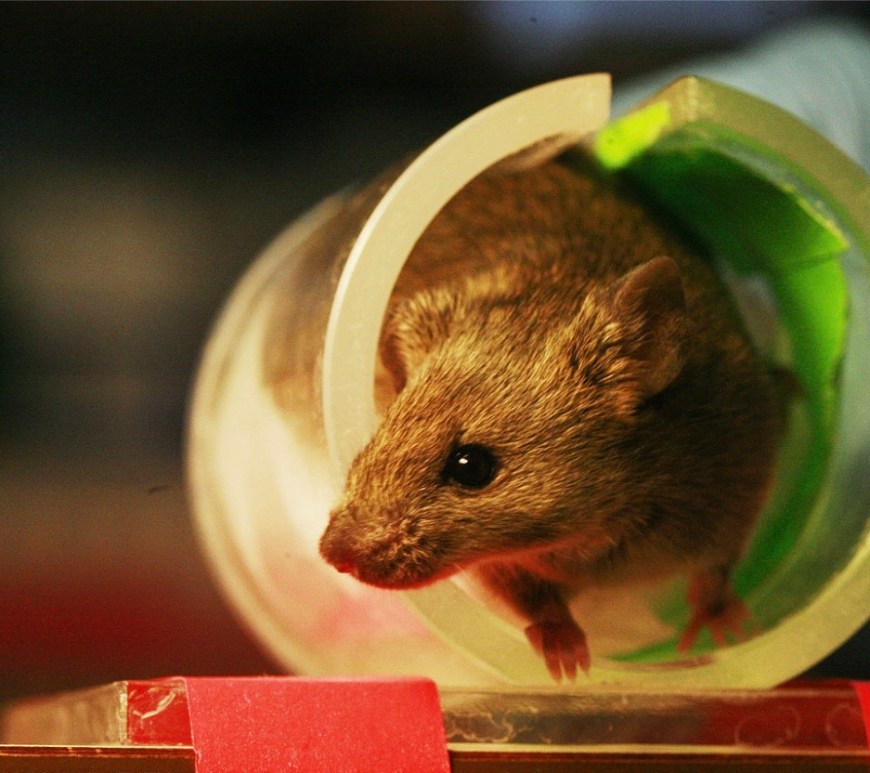
Implications of the role sphingosine kinase 1 plays in the formation of tumors in p53 knockout mice

Author: Marie Collison ‘25 Cancer is a universally known disease that can be caused by a variety of defects in the genetic code of cells. A very important molecule in the regulation of cellular proliferation is the tumor suppressor protein 53, more commonly known as p53. Mutations or deletions in the p53 gene sequence are detected in the majority of cancers, including several subtypes of … Continue reading Implications of the role sphingosine kinase 1 plays in the formation of tumors in p53 knockout mice

Exploiting Replication Fork and Checkpoint Mechanisms: ATR Signaling and Checkpoint Inhibitors Unveil New Avenues for Targeting Cancer Replication Stress

Justin Lim ’26 Figure 1: Breast cancer cells (1).jpg Cancer, a group of diseases characterized by uncontrolled and abnormal cell growth, is generally recognized by its genomic instability built up by bypassing important biological checkpoints. These checkpoints are scattered throughout a cell’s growth period to limit the amount of DNA replication errors and other deleterious mutations during cell division. Due to the evasion of growth … Continue reading Exploiting Replication Fork and Checkpoint Mechanisms: ATR Signaling and Checkpoint Inhibitors Unveil New Avenues for Targeting Cancer Replication Stress