

By Maegan Diep, Class of 2029
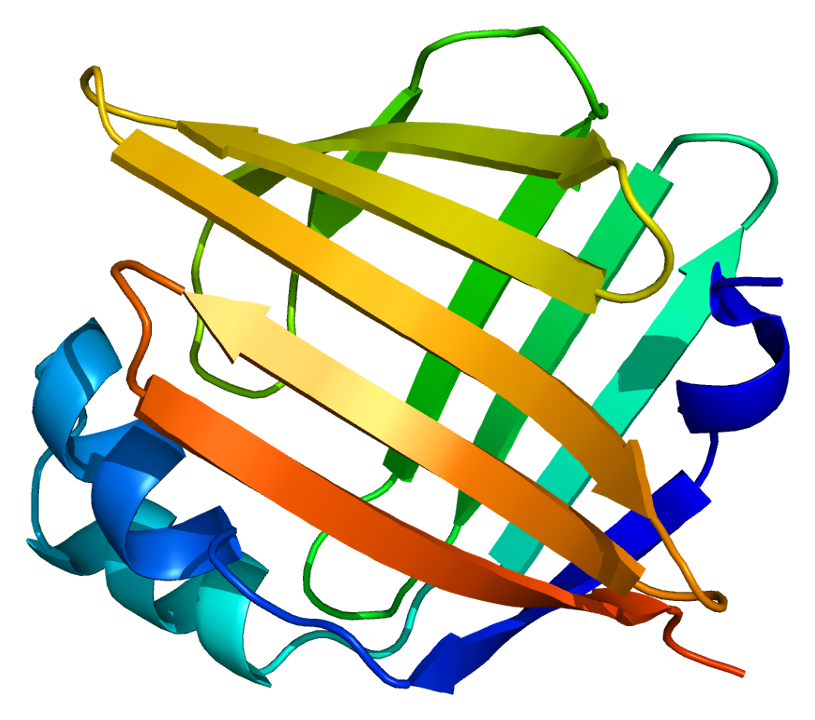
Figure 1. An image of fatty acid-binding protein 5 (FABP5)
As the second leading cause of death for men, prostate cancer refers to the uncontrolled growth of cells that begins in the prostate gland. Current treatments, such as surgery and radiotherapy, are limited in their effectiveness, especially in patients with metastatic (cancer development that spread from its original site to other parts of the body) and castration-resistant prostate cancer. With aggressive forms resulting in survival rates of under two years, developing more effective treatments is crucial.
Researchers from Stony Brook University sought to investigate the mechanisms of their newly developed third-generation inhibitor compound (SBFI-1143) in targeting fatty acid-binding protein 5 (FABP5), which promotes the development of prostate cancer. Human and mouse prostate cancer cell lines were used to observe the rapid growth of cells, the cycle of how cells grow and divide into two identical cells, the normal death of cells known as apoptosis, signaling pathway activity, and RNA sequences analysis (to better understand the transcriptomic landscape, or the gene expression across the entire cell/tissue at a given time).
In order to identify the general mechanisms and effects on the transcriptomic landscape of SBFI-1143, researchers compared its efficacy in prostate cancer inhibition with the first- and second-generations. Results confirmed the increased effectiveness of SBFI-1143 in inhibiting prostate cancer. On changes to the cell cycle, SBFI-1143 also showed significant reduction in cancer cell numbers compared to the other tested inhibitors. Furthermore, RNA sequence analyses revealed a reduction in the protein levels relating to metastatic and castration-resistant prostate cancer cells. This suggests a universal response to the SBFI-1143 compound.
Ultimately, the SBFI-1143 inhibitor holds great potential for suppressing prostate cancer growth by reducing the rate of several genes and its expression in the cycle and division of affected cells. Further research building onto this work is expected to focus on the impact of SBFI-1143 on multiple prostate cancer cells and on patients in order to better understand its promising mechanisms.
Work’s Cited:
[1] Rajput, S., LaComb, J. F., Gordon, C., Wang, H., Sarder, M., Kaczocha, M., Ojima, I., & Bialkowska, A. B. (2025). SBFI Inhibitors Reprogram Transcriptomic Landscape of Prostate Cancer Cells Leading to Cell Death. Cancers, 17, 1-25. https://doi.org/10.3390/cancers17233723
[2] Image retrieved from: https://commons.wikimedia.org/wiki/File:Protein_FABP5_PDB_1b56.png


