

Contrasting Chronic and Nonchronic Depression with Neuromelanin-sensitive MRI
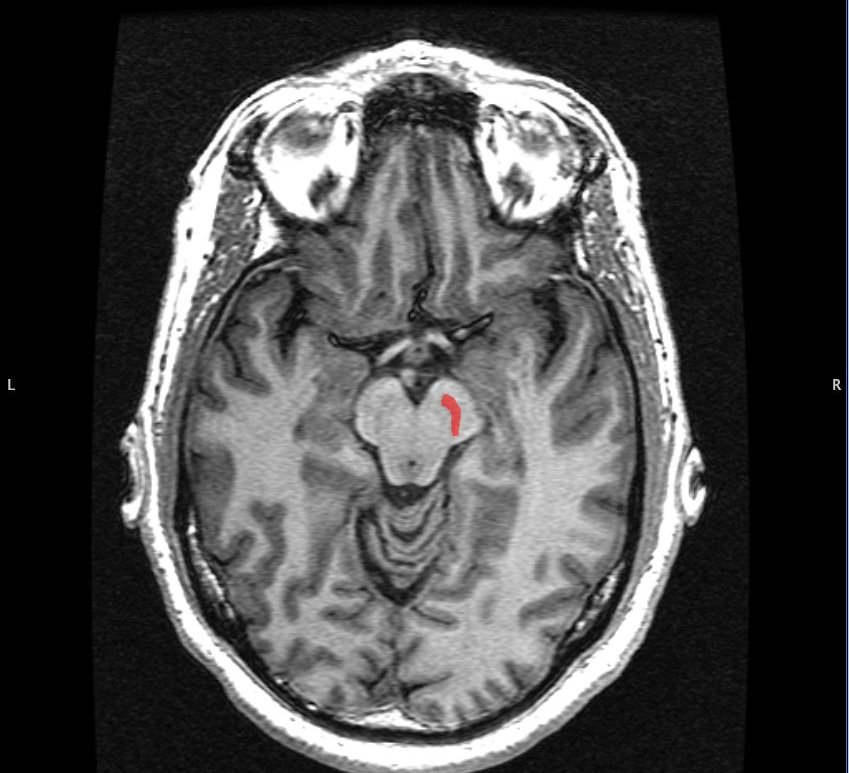
Author: Maegan Diep, Class of 2029 Depression varies in traits and characteristics among individuals, making its causes and mechanisms difficult to treat. Though depression can be categorized into chronic and nonchronic courses, the issue of reliable diagnoses persists, as there is a lack of evidence in distinguishing the etiology and physiological processes of the condition. Thus, researchers from the Klein lab at Stony Brook University … Continue reading Contrasting Chronic and Nonchronic Depression with Neuromelanin-sensitive MRI

 Young Investigators Review