Neuroprotective Therapies Capable of Ameliorating Ischemic Injury in Post-Thrombectomy Care

Vignesh Subramanian, Class of 2024 Figure 1: A thrombectomy is a surgical procedure aimed at removing blood clots lodged in an artery of the brain. A stroke is a medical emergency in which blood flow to the brain is disrupted. Strokes may be ischemic (lacking blood supply to brain tissue due to a blocked artery) or hemorrhagic (involving bleeding into the brain tissue due to … Continue reading Neuroprotective Therapies Capable of Ameliorating Ischemic Injury in Post-Thrombectomy Care

Cranial Windows Enable Transcranial Ultrasound Imaging of CSF Disorders

Vignesh Subramanian ’24 Figure 1: A CT scan of a human brain with hydrocephalus, made visible by the enlarged ventricles. Hydrocephalus is a neurological disorder characterized by the abnormal accumulation of cerebrospinal fluid (CSF), the plasma fluid in which the brain is suspended and cushioned, in cavities of the brain known as ventricles. CSF disorders like hydrocephalus develop when CSF is either excessively produced or … Continue reading Cranial Windows Enable Transcranial Ultrasound Imaging of CSF Disorders

Novel Form of Noninvasive Neurosurgery Selectively Lesions Faulty Neural Circuitry

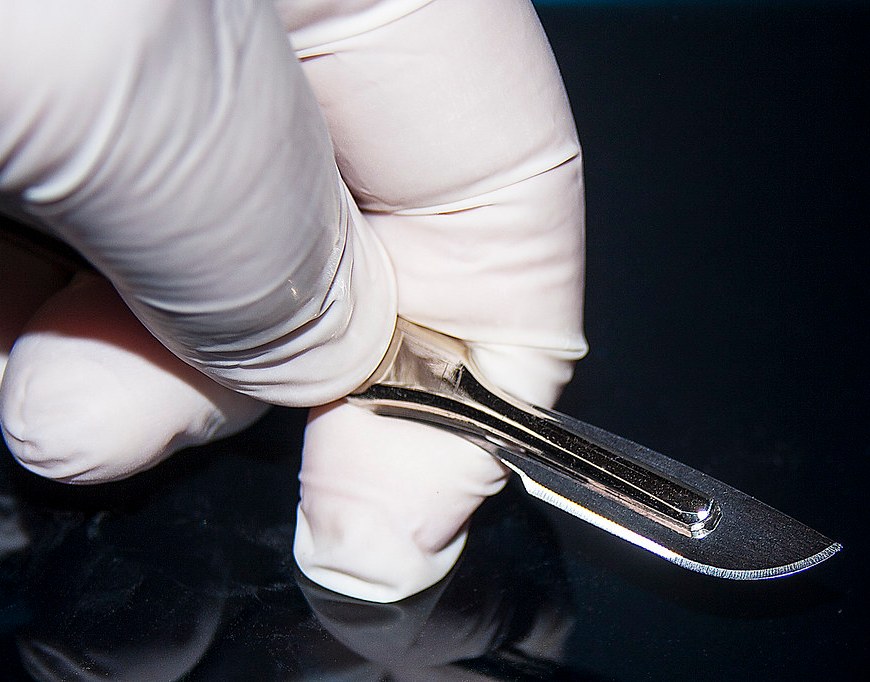
Vignesh Subramanian ’24 A number of movement disorders and motor neuron diseases, including focal epilepsy, Parkinson’s disease, amyotrophic lateral sclerosis, progressive muscular atrophy, and multiple sclerosis, are recognized as medically intractable or capable of becoming so. Intractable conditions lack known etiologies and have no established courses of treatment, with those in the neurological sphere often characterized by resistance to neural activity-suppressing medications (e.g. muscle relaxants, … Continue reading Novel Form of Noninvasive Neurosurgery Selectively Lesions Faulty Neural Circuitry