

Author: Ishmam Khan, Class of 2025

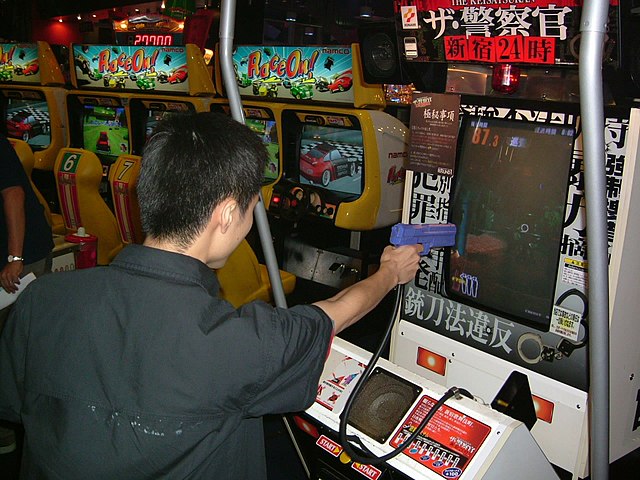
Figure 1: The FPS genre of gaming has widespread connections around the world, demonstrating its popularity
The FPS, or first-person shooter, genre of gaming has a controversial history. In the 1990s, there was a scare regarding the impact such games would have on children. Some worries included, but were not limited to: increased levels of aggression, poor emotional and psychological development, and low performance in school. Although many of these concerns are not entirely unfounded, gaming has grown to be one of the biggest entertainment industries in the world – and first-person shooters make up a large portion of it. As such, many studies have delved into the impact of FPS games on the human mind.
One study conducted by Jeong et. al at the University of Tokyo distinguished itself by representing the neural activity of people who play FPS games in real-time through EEG and a real FPS simulator-like trainer called AimLab. Since FPS games require quick decision-making, fast reaction times, and a high attention span, the researchers aimed to be able to investigate brain activity in the cortical regions of the brain during various gaming conditions. This would lead to a more comprehensive view of neural activity and cognitive functions in people who play FPS games. Additionally, we gain insight into the different neural mechanisms that occur in FPS gamers of various skill levels.
Researchers monitored different wave values of cortical activity while players of various skill levels played AimLab under the EEG. The results indicated that lower values of alpha, beta, delta, and theta power observed in particular regions of the brain correspond to greater performance in games. The team also showed that lower alpha wave values in the frontal region of the brain, the region responsible for decision-making and attention, were observed in the higher-skilled players, suggesting that low wave values correlate positively with gameplay accuracy. However, although lower-skilled players generally displayed lower accuracy, the research implies that these players can improve their skills with practice. For example, lower delta activity observed in the occipital and temporal regions of the low-skilled group simulated the activity of high-skilled players when recognizing wrong motor actions and high detection skills respectively.
This study highlights the impact activities we enjoy have on our brains. Our interaction with the world through engagement and action shapes our minds and our bodies. Moreover, it’s important to understand that our ability to adapt is a psychological concept rooted in our biology. Given enough exposure and time, we can be a master of anything regardless of background.
Works Cited:
[1] Jeong, I., Kaneko, N., Takahashi, R., & Nakazawa, K. (2024). High-skilled first-person shooting game players have specific frontal lobe activity: Power spectrum analysis in an electroencephalogram study. Neuroscience Letters, 825, 137685.
[2] Image retrieved from: https://commons.wikimedia.org/w/index.php?search=Light_gun_survival_horror_arcade_game&title=Special:MediaSearch&go=Go&type=image
 Young Investigators Review