

Author: Farzad Hoque, Class of 2028
The relationship between neurovascular coupling and Alzheimer’s disease (AD) progression has been a focal point of neurological research. While vascular dysfunction in AD is well-documented, questions remain about whether these abnormalities emerge before amyloid-beta (Aβ) deposition or arise as a consequence. Recent research has shed light on the early neurovascular changes in mouse models of AD, suggesting new mechanisms at play.
Thomas A. Kim and colleagues at Stony Brook University conducted an in-depth study to examine the neural circuit mechanisms underlying functional hyperemia—activity-induced blood flow—before and after the onset of Aβ accumulation. Using in vivo optical imaging in freely moving AppSAA knock-in and J20 mouse models, they explored hippocampal microvascular blood flow dynamics during context exploration. Functional hyperemia, a vital process for delivering oxygen and nutrients to active brain regions, behaved abnormally in these AD models.
Researchers found that before detectable Aβ accumulation, AD mice exhibited aberrantly prolonged functional hyperemia during novel environment exploration. This prolonged blood flow response was linked to hyperactivation of hippocampal interneurons, specifically those producing nitric oxide (NO). Chemogenetic experiments confirmed that the hyperactivity of these inhibitory neurons contributed to the exaggerated vascular response, while pharmacological suppression of NO production attenuated this effect. Interestingly, as Aβ pathology emerged, functional hyperemia in these models declined significantly compared to control mice. The researchers also demonstrated that early intervention to suppress aberrant hyperemia reduced subsequent Aβ accumulation. This suggests that vascular overactivity in the pre-symptomatic phase may disrupt brain metabolic homeostasis, promoting amyloid pathology.
New perspectives on the role of neurovascular coupling in early-stage AD can be taken from this, potentially guiding the development of therapeutic strategies aimed at restoring vascular dynamics before irreversible damage occurs. Future research could explore whether these findings translate to human AD pathology and investigate the broader implications of early vascular interventions.
Works Cited:
[1] Kim, T. A., Cruz, G., Syty, M. D., Wang, F., Wang, X., Duan, A., Halterman, M., Xiong, Q., Palop, J. J., & Ge, S. (2024). Neural circuit mechanisms underlying aberrantly prolonged functional hyperemia in young Alzheimer’s disease mice. Molecular Psychiatry. https://doi.org/10.1038/s41380-024-02680-9
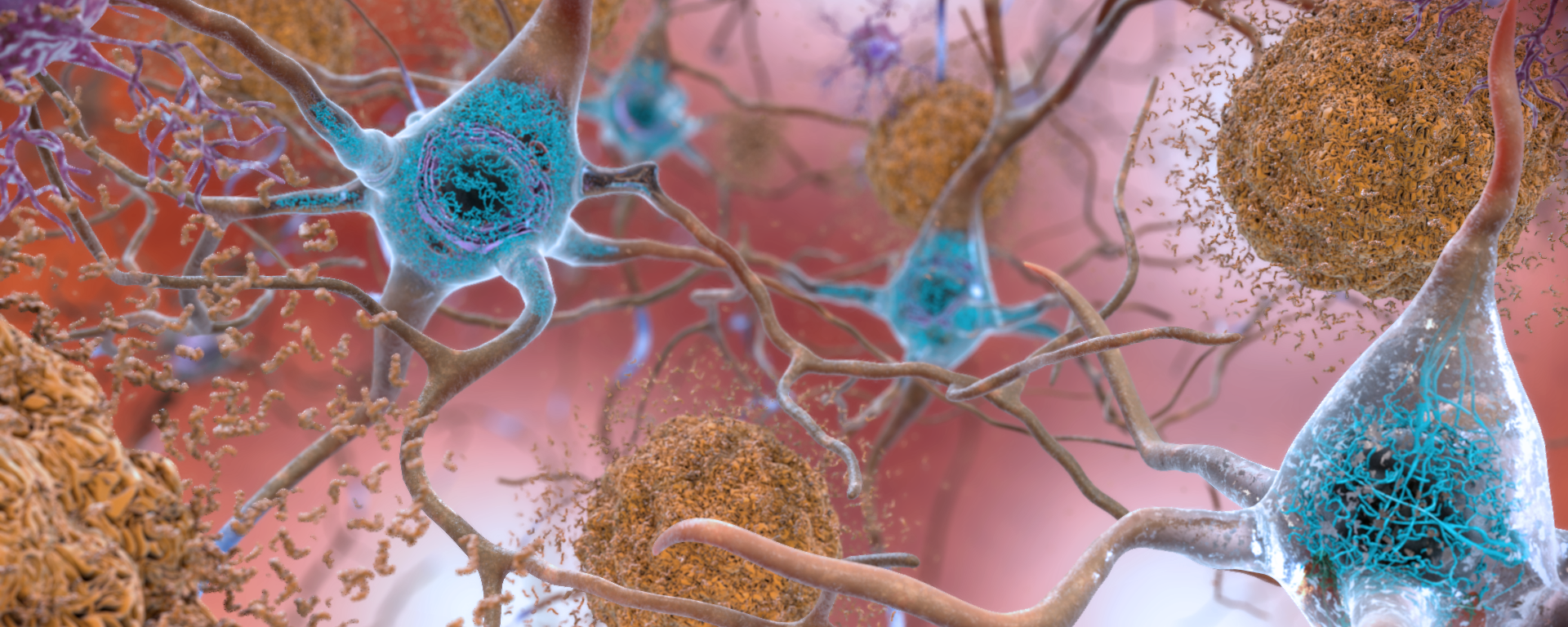
[2] Blausen Medical Communications, Inc. (2017). Beta-amyloid plaques and tau in the brain. Wikimedia Commons. https://commons.wikimedia.org/wiki/File:Beta-Amyloid_Plaques_and_Tau_in_the_Brain_(38686503251).png
 Young Investigators Review
.png)