
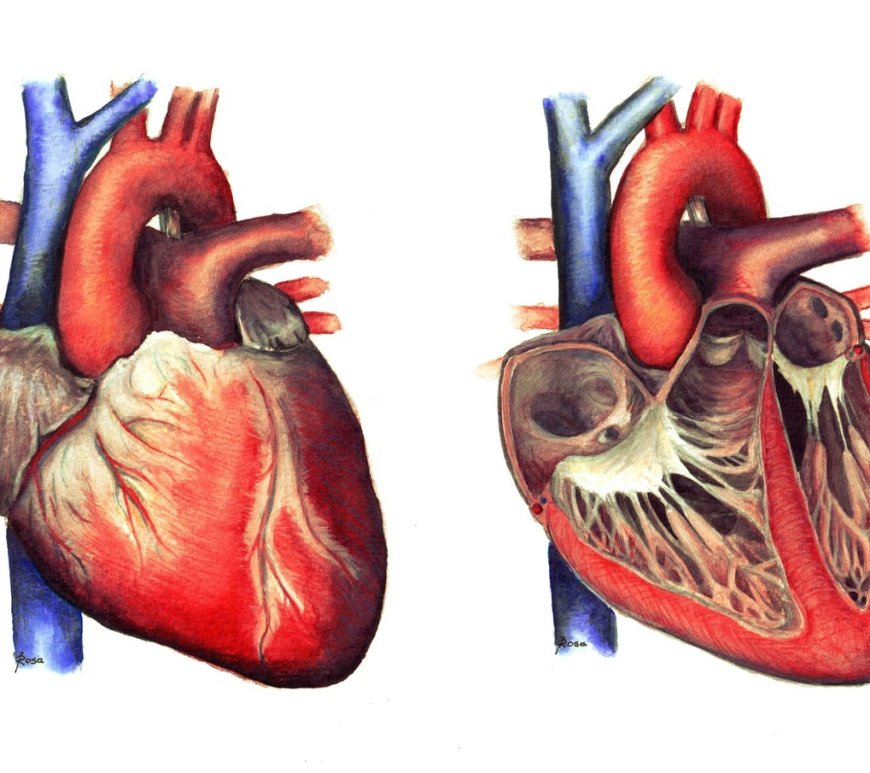
Evaluations of the First Dissolvable Cardiovascular Stent

By Jessica Desamero Heart disease in the U.S. is one of the leading causes of death. The most common type is coronary heart disease (CAD), which can lead to heart attacks. It is caused by plaque buildup in arteries that supply the heart with blood, causing them to narrow. To this day, bare-metal stents have been inserted in CAD patients to counter-act this blockage. But … Continue reading Evaluations of the First Dissolvable Cardiovascular Stent

Aristolochic Acid and Chemically Modified Curcumin: an Overview

By Michael Baxter Dr. Francis Johnson received his Ph. D. from Glasgow University in Scotland in 1954 and went on to become a postdoctoral fellow at Boston University until 1957. He worked at the Dow Eastern Research Laboratory before coming to Stony Brook University in 1973, where he became the founding vice-chairman of the Department of Pharmacological Sciences [1]. Currently Dr. Johnson is part of … Continue reading Aristolochic Acid and Chemically Modified Curcumin: an Overview

Aristolochic Acid, used in herbal remedies, linked to urothelial cancers and neuropathic diseases

By Katherine Maiorisi Dr. Grollman of Stony Brook University was honored in 2011 with the Environmental Mutagen Society (EMS) award for his work on aristolochic acid (AA) and its relation to cancer and neuropathy [1]. Throughout the past fifty years studies have been done on the effect of environmental agents on neuropathy. Aristolochia poisoning was first proposed in 1969 by Ivi´c, but was disregarded, until … Continue reading Aristolochic Acid, used in herbal remedies, linked to urothelial cancers and neuropathic diseases