Modeling Debris Patterns in the Antarctic to Protect Biodiversity

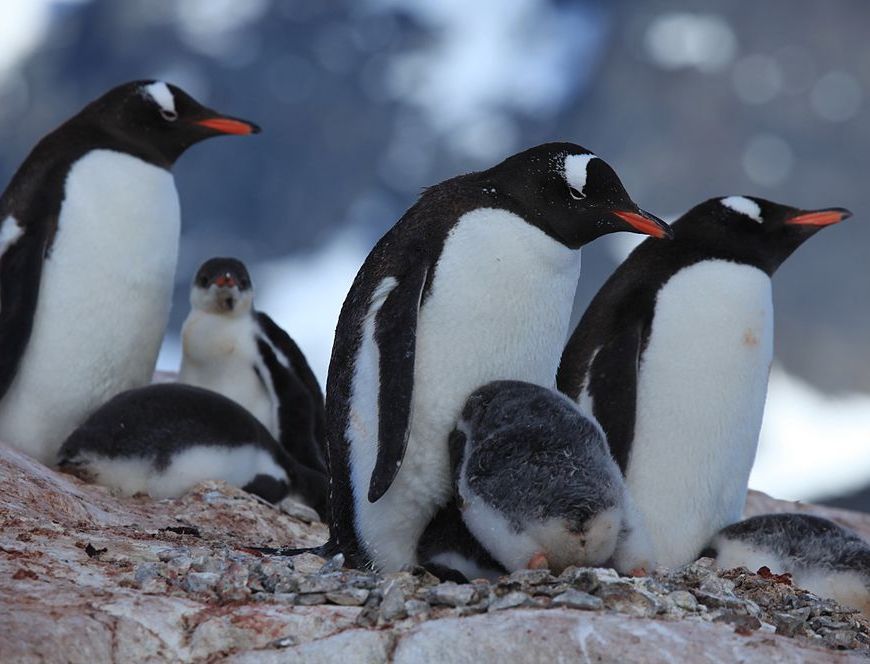
Marie Collison, Class of ‘25 Image 1 Gentoo penguins in Antarctica Marine pollution is a prominent problem in environmental policy and study. Reports of pollution in organisms in the Antarctic are becoming increasingly common, likely due to increasing human activity, growing tourism, and an expanding krill fishing industry. However, the sources of these pollutants along the West Antarctic Peninsula are still poorly understood. There are … Continue reading Modeling Debris Patterns in the Antarctic to Protect Biodiversity

Investigating the Taxonomy of KNM-ER 1500’s Fossil Remains

Julia Chivu ’23 In the 1970s, archaeologists discovered a 15-piece fossil named KNM-ER 1500 in East Turkana, Kenya. Despite previous examinations, the classification of this fossil has not been determined,  due to severe weathering and fragmentation of the bones. Given the discovery location and morphological features, it has been suggested that KNM-ER 1500 could potentially belong to Paranthropus boisei, Homo habilis, Homo rudolfensis, or Homo … Continue reading Investigating the Taxonomy of KNM-ER 1500’s Fossil Remains

Sea spray contributes to ice formation in clouds.

 Maria Sazonova ‘ 26 Figure 1: Ocean sea spray containing SSA particles at sunset Evaluating ice nucleation kinetics in cloud formation is essential for enhancing our understanding of aerosol-cloud interactions, as well as speculating on the larger effects of SSAs, sea spray aerosol particles, on climate change. SSA ambient particles are a constant natural source of atmospheric aerosol and a recognized source of ice-nucleating particles … Continue reading Sea spray contributes to ice formation in clouds.

Positive effects of Saccharina latissima kelp on coastal ocean acidification and growth of bivalves. 

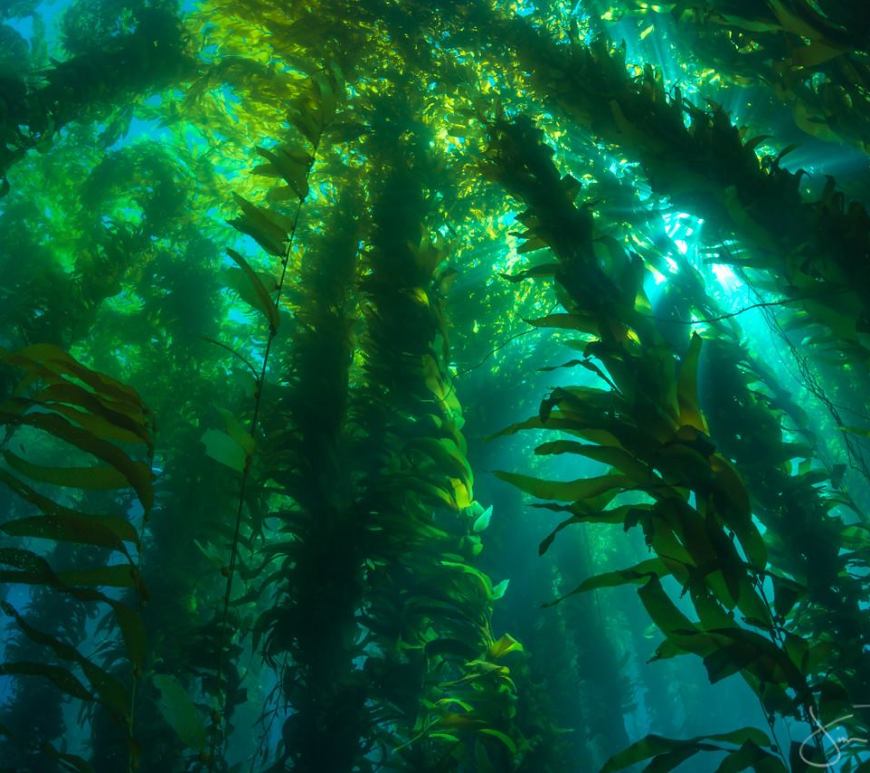
Maria Sazonova ’26  Figure 1: Saccharina Latissima kelp underwater Coastal zones are focal points of ocean acidification due to the influx of atmospheric CO2 which has severe negative effects on the growth and survival of calcifying bivalves. Kelp species provide numerous ecosystem services such as carbon and nitrogen sequestration and the creation of a safe habitat for aquatic creatures. Saccharina latissima (sugar kelp) specifically can … Continue reading Positive effects of Saccharina latissima kelp on coastal ocean acidification and growth of bivalves. 

21 Million Year Old Fossil Reveals Hominid Environment and Diet

Julia Chivu ’23 The Motroto site in Uganda has recently provided new insights on the evolution of the locomotor versatility, diet, and environment of early hominids. The site is estimated to be twenty-one million years old. Associate professor in the Department of Anthropology at Stony Brook University, Dr. James Rossi, is part of a large research team that has recently examined the fossil remains of … Continue reading 21 Million Year Old Fossil Reveals Hominid Environment and Diet

Brawn Before Brains in Early Mammalian Development

Zhifei Zeng ’23 Of all vertebrates, mammals have the largest brains in terms of absolute size and relative to body size. Significant encephalization (an increase in brain size relative to body size) has been observed in the placenta of extant mammals. However, until recently it has not yet been determined when mammalian brains began to increase in size and how they evolved to their current … Continue reading Brawn Before Brains in Early Mammalian Development

How Ice and Wind Can Affect Baltic Sea Phytoplankton

Panayiota Siskos ’23 The Baltic Sea has a history of having anthropogenic river nutrients from agriculture and wastewater discharges as well as phytoplankton biomass. A combination of physical, chemical, and biological factors forms the marine ecosystem, making it difficult to identify which impacts are climate change and human caused concentration of nutrients, and studies identifying them are necessary for a healthy marine ecosystem. Seasonal ice … Continue reading How Ice and Wind Can Affect Baltic Sea Phytoplankton

How Environment Affects Breeding in Migratory Populations

Panayiota Siskos ’23 Vertebrates have different seasonal reproductive times depending on the hypothalamic–pituitary–gonadal axis, which is associated with breeding latitude and a sensitivity to changes in length of daylight. Migratory animals in particular work to optimize reproductive timing since breeding conditions are needed later at migrationary regions than overwintering regions (regions where animals stay throughout the winter). There are multiple migrationary bird species with populations … Continue reading How Environment Affects Breeding in Migratory Populations

A Once Thought Extinct Species of Mice Repopulates after an Explosion

Sabah Bari ’24 Mount Pinatubo was known for being a quiet volcano located on the most populated Island of Luzon in the Philippines. However, the calmness of Mount Pinatubo came to a halt on June 15, 1991 when the volcano erupted. The destruction of the explosive volcano negatively affected the wildlife on Luzon, except two main species of the Philippine forest mice. Upon the eruption, … Continue reading A Once Thought Extinct Species of Mice Repopulates after an Explosion

Implications of Solar Geoengineering

Ashley Goland ’23 Solar geoengineering is a technology that aims to reflect incoming sunlight away from the Earth to reduce the rise of global temperatures, and one proposed approach is to send aerosols into the atmosphere. Although this method may seem like a quick, relatively cheap way to delay further climate change, the effects it could have upon marine and terrestrial organisms are not yet … Continue reading Implications of Solar Geoengineering

Ecological Dynamics of Coastal Plants, Birds, and Herbivores

Fatin Chowdhury ’20 In a recent paper, scientists from the University of Irvine examined the resistance of shrub plants to herbivory, as enabled by plant morphology or the presence of avian species. The scientists studied both direct and indirect defenses in nature and assessed these mechanisms in the context of energetic trade-offs. Characteristics that were already known to directly lower the success rate of herbivory … Continue reading Ecological Dynamics of Coastal Plants, Birds, and Herbivores

Environment Dependent Dietary Adjustment by Invasive Aquatic Species

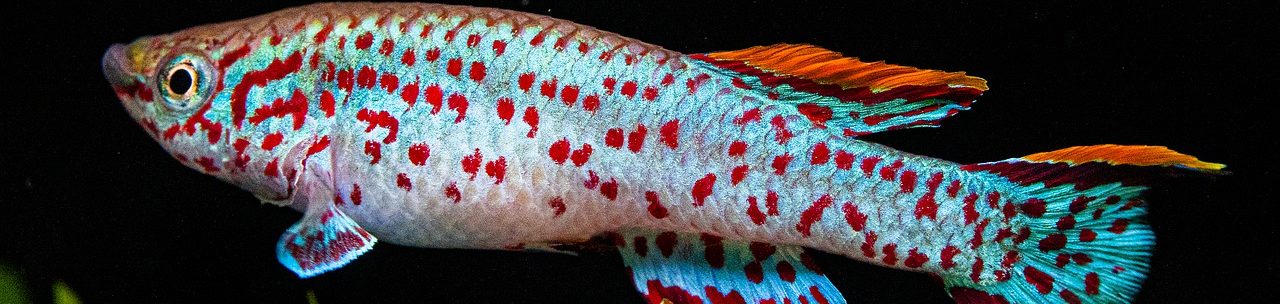
Fatin Chowdhury ‘20 Recently, researchers at three Brazilian universities examined patterns of feeding behavior displayed by the Knodus moenkhausii fish invasive to Brazil. The researchers described a two-fold hypothesis. Firstly, the species is expected to be non-specialist and opportunistic, feeding on whatever food source is most readily accessible. Secondly, resource abundance affects the nature of the trophic niche it resides in. Accordingly, flexibility in diet … Continue reading Environment Dependent Dietary Adjustment by Invasive Aquatic Species