Tiny Plastics, Big Impact: How Microplastics Affect Earthworms and Soil Health

Author: Diego Javier, Class of 2026 A concern that is emerging worldwide is plastic contamination in agricultural soils. Farmers frequently use plastic mulching films in order to improve crop yields and control weeds. However, these films can break down into tiny fragments, called microplastics, which are then ingested by soil organisms like earthworms and can affect soil health. In order to better understand these effects, … Continue reading Tiny Plastics, Big Impact: How Microplastics Affect Earthworms and Soil Health

Climate Change and Zoonotic Diseases

Author:  Antonia Truta, Class of 2028 The World Health Organization’s definition of zoonosis is any disease or infection naturally transmissible from animals to humans, or vice versa. Animals are important to understanding disease transmission, with over 60% of emerging infectious diseases having zoonotic origins. Yet, to fully understand the context of zoonotic disease outbreaks, we must look at our interactions with nature in a larger … Continue reading Climate Change and Zoonotic Diseases

The Effect of Wildfires on Air Pollution and Mortality in the United States

Author: Amal Bilal, Class of 2028 Wildfires are becoming increasingly prominent and intense in the United States as a result of evolving climate change and human settlements in fire-prone areas. Although the major health impacts of air pollution caused by wildfires are known, there is less research on the direct impact of this pollution on mortality. Michigan State University researchers Zeying Huang and Mark Skidmore … Continue reading The Effect of Wildfires on Air Pollution and Mortality in the United States

Color or Chemistry? How Tiny Isopods Use Multiple Defenses to Outsmart Predators

Author: Diego Javier, Class of 2026 In nature, color is used by animals as a defense mechanism to ward off predators, signifying whether they are poisonous or dangerous to eat. This type of warning coloration is known as aposematism, a strategy seen across many species including monarch butterflies and isopods, tiny crustaceans that hide under damp soil and rocks. This idea was explored by Professor … Continue reading Color or Chemistry? How Tiny Isopods Use Multiple Defenses to Outsmart Predators

Vasoconstriction and Heat Stress on Cattle

Author: Maegan Diep, Class of 2029 Figure 1. An image of a cow. Fescue toxicosis (FT) is a common condition brought about by endophyte bacterium-infected varieties of tall fescue plants. While beneficial to the plant, it is harmful to the cattle that consume the plant. In consequence, vasoconstriction, or the narrowing of blood vessels, is a common symptom associated with FT, harming their cardiovascular systems. … Continue reading Vasoconstriction and Heat Stress on Cattle

Harnessing Artificial Intelligence for Wildlife Conservation

Author: Amal Bilal, Class of 2028 Artificial Intelligence (AI) is emerging as a tool that can be leveraged to identify effective solutions for the current biodiversity crisis. As ecosystems are increasingly harmed by humanity, researchers are looking for ways in which AI can be used to create multimodal models that analyze ecological data to improve biodiversity loss predictions, track patterns in wildlife trade, and develop … Continue reading Harnessing Artificial Intelligence for Wildlife Conservation

Human Agriculture and the Soiling of Earth’s Water

Jaenai Tercius, Class of 2028 A major form of pollution brought by industrial human activity is water pollution. Agriculture is a major contributor to water pollution due to runoff from nitrogen-based fertilizers, especially in coastal areas. Nitrogen is an essential nutrient for aquatic organisms, but when present in excess, nitrogen can lead to the overgrowth of organic matter and a decrease in oxygen in water, … Continue reading Human Agriculture and the Soiling of Earth’s Water

Effects of Climate Change on Macaroni Penguins

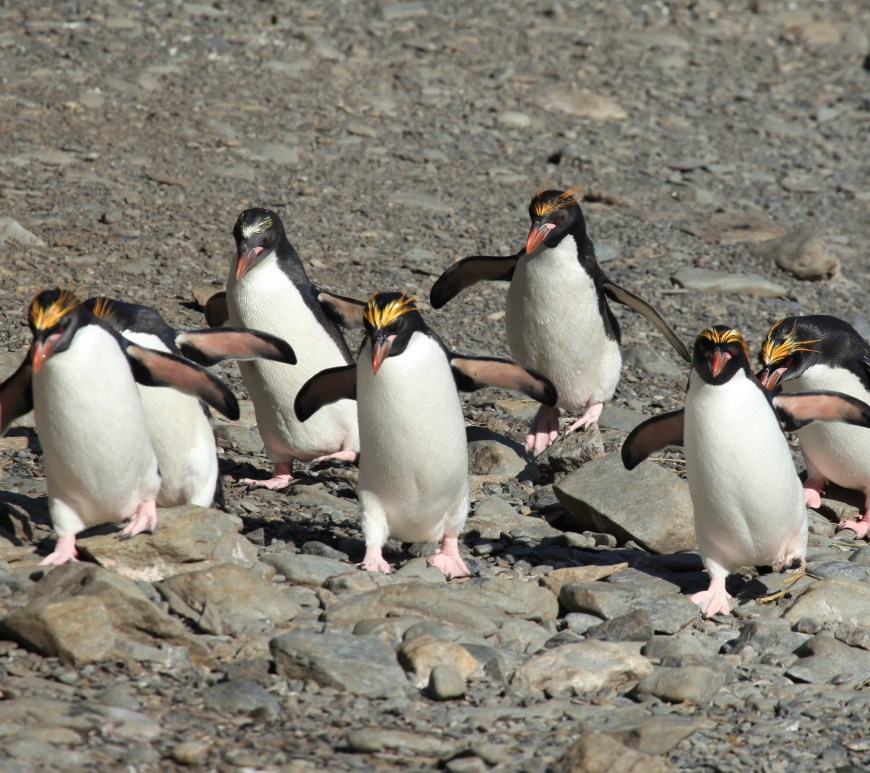
Author: Amal Bilal, Class of 2028 Figure 1: Macaroni Penguins at Cooper Bay, South Georgia. The Macaroni Penguin (Eudyptes Chrysolophus) is a sub-Antarctic penguin species that typically lives in colonies on sub-Antarctic islands in the South Atlantic and South Indian Oceans. As of 2013, 6.3 million breeding pairs were found, a 30% decline from the last regional census in 1993. This drastic decrease in population … Continue reading Effects of Climate Change on Macaroni Penguins

Modeling Marine Turtle Nesting Behavior

By: Kimberly Johnston, Class of 2026 Figure 1: A marine turtle Adult female marine turtles alternate between foraging and nesting phases, with periods of migration in between. Monitoring programs typically obtain data for only part of the nesting season due to a lack of financial support, remote beaches, or a large number of beaches to monitor. To accurately assess population trends, a model must be … Continue reading Modeling Marine Turtle Nesting Behavior

Penguin Nesting Behavior: Effects of Tourism at Port Lockroy

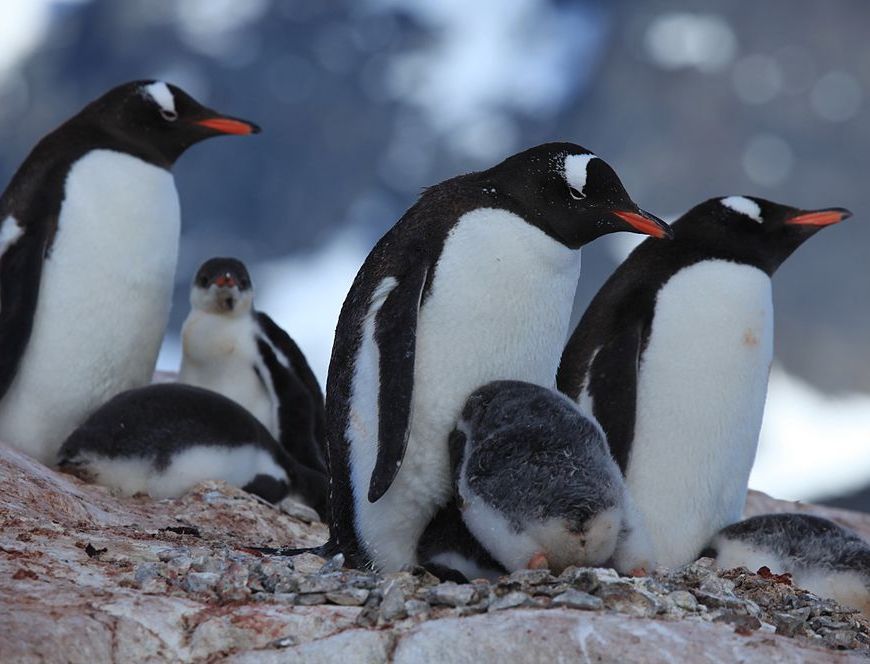
By: Kimberly Johnston, Class of 2026 Figure 1:  Gentoo penguin with chicks at Port Lockroy, Antarctica. Antarctic tourism has raised concerns about the effects of human disturbance on gentoo penguins during their breeding season, which coincides with peak tourist activity. For example, the movement of zodiacs used to transport tourists ashore can disrupt the penguins’ normal routes and foraging areas. However, quantifying the effects of … Continue reading Penguin Nesting Behavior: Effects of Tourism at Port Lockroy

Modeling Debris Patterns in the Antarctic to Protect Biodiversity

Marie Collison, Class of ‘25 Image 1 Gentoo penguins in Antarctica Marine pollution is a prominent problem in environmental policy and study. Reports of pollution in organisms in the Antarctic are becoming increasingly common, likely due to increasing human activity, growing tourism, and an expanding krill fishing industry. However, the sources of these pollutants along the West Antarctic Peninsula are still poorly understood. There are … Continue reading Modeling Debris Patterns in the Antarctic to Protect Biodiversity

Exploring the Biodiversity Inhabiting Sponges of the Great Barrier Reef

Author: Marie Collison, Class of ‘25 Sponges are a diverse group of multicellular organisms that inhabit aquatic ecosystems all over the globe. Scientists estimate that there are over 9000 unique species of sponges. The vast diversity of sponges enables them to provide a diverse range of habitats for a variety of aquatic taxa. They provide structure to environments that otherwise have minimal variation in elevation. … Continue reading Exploring the Biodiversity Inhabiting Sponges of the Great Barrier Reef