Figure 1. The Great Barrier Reef is discolored due to severe coral bleaching caused by global warming.

An End to Global Warming Could End Mass Coral Bleaching

By Megan Y. Tan ’19 The Great Barrier Reef is the world’s largest coral system stretching over an area of more than 300,000 square kilometers off the coasts of Australia. Though the Great Barrier Reef Marine Park protects a large part of the reef from fishing and tourism, it is still not safe from environmental factors such as global warming. In fact, climate change has … Continue reading An End to Global Warming Could End Mass Coral Bleaching

Figure 1. Biodiversity loss is partially compensated by the altered behaviors of remaining organisms.

Extinction of a Species is Compensated by Remaining Ecosystem

By Patrick Yang ’20 Biodiversity loss is often associated with ecosystem degradation because it is assumed that a species’ ecological role vanishes along with the species in the case of extinction. Current models of ecosystems utilize this assumption and predict an accelerated decline in ecological properties as biodiversity loss increases. Although this is a logical prediction, Dr. Martin Solan at the University of Southampton and … Continue reading Extinction of a Species is Compensated by Remaining Ecosystem

Relearn Faster and Retain Longer

    By Ericka Berman As established, repetitive practice is necessary for knowledge retention. Sleep is also a contributing factor to new learning and memory consolidation. In this study, Dr. Mazza and the team of researchers recruited 40 participants ages 18-29 from University of Lyon, who were randomly assigned to one of two groups. For this study, participants were asked to remember 16 Swahili-French words pairs. … Continue reading Relearn Faster and Retain Longer

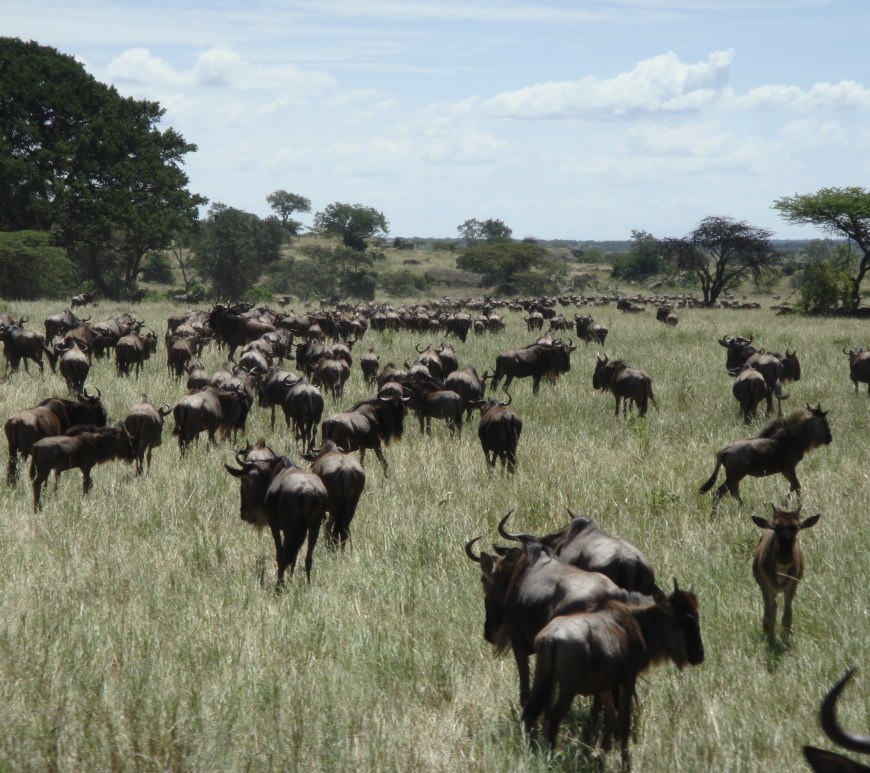
Figure 1. Warming in places like Mount Kenya is steeper than current climate models predict.

High-Elevation Warming is Steeper than Previously Expected

By Megan Tan ’19 The Earth is warming at about two degrees annually at sea level. Though it is estimated that high-elevation warming occurs more steeply, it is difficult to measure due to environmental factors such as radiation and humidity which have made it challenging to accurately quantify past temperature changes. Shannon E. Loomis, a postdoctoral fellow at the Department of Earth, Environmental, and Planetary … Continue reading High-Elevation Warming is Steeper than Previously Expected

Climate Change Triggers Local Extinctions

    By Patrick Yang ‘20 Average annual temperatures worldwide have reached an approximate 1°C increase since 1880 – a shift hardly noticeable to humans, but a harbinger of biodiversity loss in plants and animals, especially in warmer regions. Past models have predicted 0% to >50% species loss due to future climate change. However, the extent of biodiversity loss is much harder to ascertain because … Continue reading Climate Change Triggers Local Extinctions

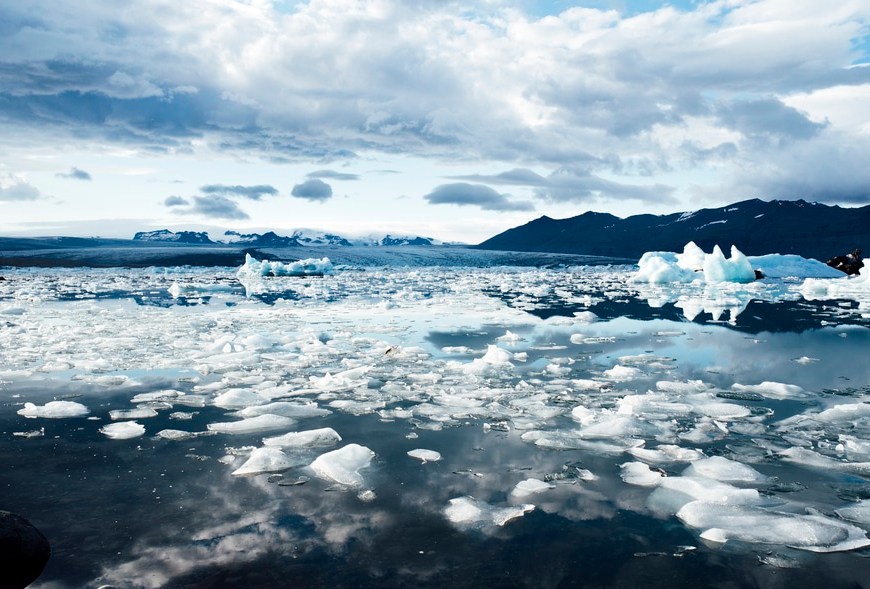
Mitigation in Sea Level Rise Due to Increased Snowfall

by Patrick Yang Many global climate models project that anthropogenic global warming will lead to increased snowfall in Antarctica due to increased moisture in the atmosphere. However, the actual trend in Antarctica shows a discrepancy. Surface mass balance (SMB), the difference between the amount of snow accumulated and sublimated, has not shown any significant increase, despite the rise in global temperature. This discrepancy may be … Continue reading Mitigation in Sea Level Rise Due to Increased Snowfall

A Baby’s Association of Food and Environment

    by Rideeta Raquib The dilemma of what to eat for dinner is a peculiar evolutionary trait that has enabled human beings to survive for centuries. Culture and our social surroundings are aspects that influence our species when it comes to our preference in food. A recent study from Dr. Zoe Liberman and her team at the University of Chicago has revealed that infants have … Continue reading A Baby’s Association of Food and Environment

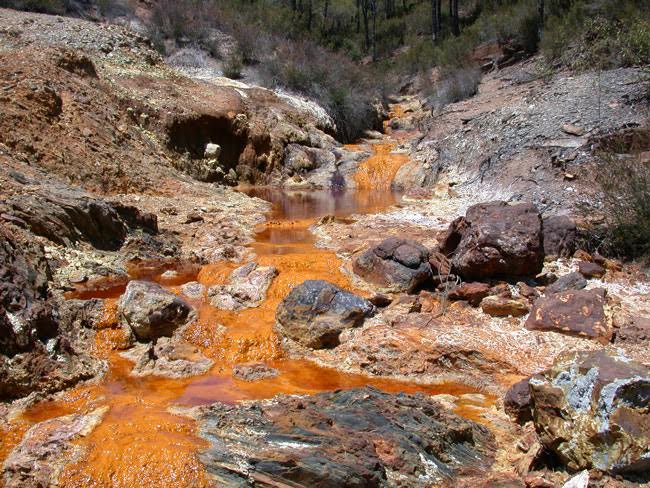
The Removal of Coal Mine Contaminates

by Jenna Mallon (’18) Numerous abandoned coal mines exist throughout the US, many of which are consistently spewing toxic drainage, known as Acid Mine Drainage (AMD), into our waters. AMD leads to elevations in sulfuric acid, iron, aluminum, and manganese levels, which leads to extensive environmental damage. Scientists have struggled to find a cost-effective and efficient way of removing these substances. It has been hypothesized … Continue reading The Removal of Coal Mine Contaminates

The Effectiveness of Wildlife Conservation

by Jenna Mallon (’18) Numerous organizations, such as the World Wildlife Fund, exist in order to help protect and save our environment and the animals that live in it. As scientists gain a better understanding of our impact on the world, wildlife conservation has become a more pressing issue. Since scientists must act fast in order to save species and ensure their propagation into the … Continue reading The Effectiveness of Wildlife Conservation

The Cardiotoxic Effects of Oil on Fish Embryos

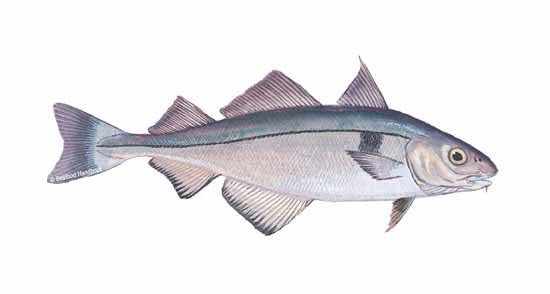
by Julia Newman (’19) Recent oil spills in the North Atlantic are currently causing detrimental effects not only on the water’s safety for humans, but also on the millions of fish species that live there. One species in particular, the Atlantic haddock, has shown a decreased survival correlated with the oil spills. This is a concern for both the ecosystems the fish are a part … Continue reading The Cardiotoxic Effects of Oil on Fish Embryos

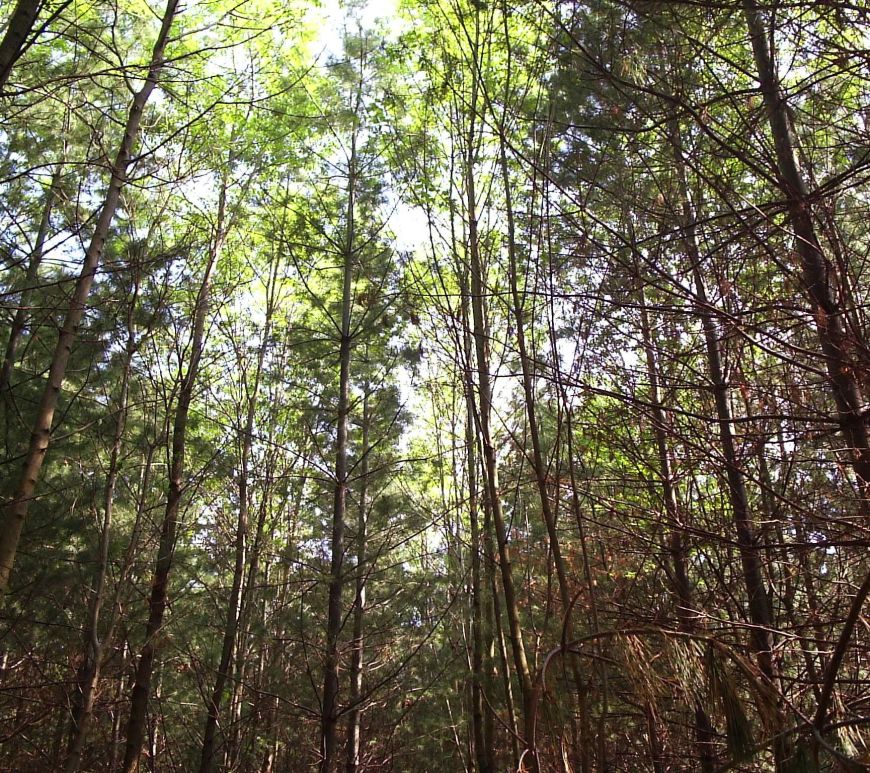
The Effects of Palm Oil Deforestation

by Lillian Pao (’18) Palm oil is harvested from the African oil palm cash crop and is used in cooking oil, fast foods, cosmetic products, and household cleaners. Because of the demand for these products, the production of palm oil in the humid tropics continues to increase and often leads to deforestation of tropical forests.  Professor Varsha Vijay from Duke University and his colleagues decided … Continue reading The Effects of Palm Oil Deforestation

Long Term Trends for Wind Speed

by Jenna Mallon (’18) Wind speed is an important area of climate study because it has lasting effects on climate variations. In the Southern Hemisphere, studies involving wind speed are unavailable, despite there being research on air temperature and precipitation. As a result, Luiz Felipe N. Cardoso from the Department of Meteorology at the Federal University of Rio de Janeiro and a team of researchers … Continue reading Long Term Trends for Wind Speed