Magnetic Nanoparticles for Oil Removal

Meghan Bialt-DeCelie ’19 One of the costliest processes in oil and gas production is safe disposal of produced water. This water contains tiny amounts of oil that are difficult to separate and make water unsafe for the environment. Traditional methods such as gravitational separation of oil are costly and are not reliable for removing the tiny droplets of oil that remain in the water, making … Continue reading Magnetic Nanoparticles for Oil Removal

How Far the Penguins Should March

Meghan Bialt-DeCelie ’19 The effects of Global Climate Change can dramatically alter the environment as well as the organisms which inhabit it. One species that is particularly affected by climate change is the emperor penguin (EP), so much so that researchers from the Wood Hole Oceanographic Institution (WHOI) believe they should be protected under the Endangered Species Act. The random and unpredictable nature of climate … Continue reading How Far the Penguins Should March

Figure 1. Acoustic analysis of buzzing from foraging bees provides a faster and less invasive method of monitoring bee pollination.

That Buzzing Noise

Meghan Bialt-DeCelie ’19 Bees play a critical role in crop survival. Because of this, farmers and scientists must always stay ahead by following patterns in their behavior to quickly manage and appropriately respond to complications in their population growth. Acoustic analysis of organisms is not a new concept; however, it is not often used on insects. Researchers led by Nicole Miller-Struttmann PhD from Webster University … Continue reading That Buzzing Noise

Figure 1: Oleic acid, found in olive oil, plays a role in cancer prevention.

Compound Found In Olive Oil Found to Prevent Cancer

By Rideeta Raquib MicroRNAs or miRs are small non-coding RNAs that guide gene regulation, such as the expression of their target mRNAs in a complex with ribucleoproteins called miRNPs. Inhibition of translation or a decrease in mRNA can cause miR-mediated downregulation of gene expression. Deregulation of microRNAs is associated with development of pathological illnesses including cancer. A potential tumor suppressor, miR-7, is regulated at both … Continue reading Compound Found In Olive Oil Found to Prevent Cancer

Figure 1: Infant teeth were used as biomarkers to analyse metal exposure and its connection to autism.

Infant Teeth Reveal Metal Exposure Correlates with Autism

By Rideeta Raquib Autism spectrum disorder (ASD) refers to a classification of developmental disabilities characterized by changes in social communication, as well as repetitive and restricted patterns of behavior or interests. Approximately 50 percent of ASD risk is linked to genetics and the rest is attributed to environmental factors, including fetal or early childhood exposure to toxic metals and nutrient deficiencies. Researchers from The Senator … Continue reading Infant Teeth Reveal Metal Exposure Correlates with Autism

Figure 1: A form of immunotherapy has the potential to stop allergic reactions.

Therapeutic Technique Inactivating Allergic Response

By Rideeta Raquib Allergic reactions are common issues caused by the dysregulation of Th2 cells responses towards allergens. Normally, Th2 CD4+ T cells produce cytokines in response to allergens, and cause chronic inflammation and mucus hypersecretion, among other symptoms. Although genetics does play a role, allergic diseases, such as asthma, occur after sensitization and effector/memory T cell differentiation has taken place. Common treatment includes avoiding … Continue reading Therapeutic Technique Inactivating Allergic Response

Figure 1: Shown here is an example of Scopulariopsis, a genus of fungi capable of living in the absence of soil, air, plant debris, and dung. A new species of this fungi was recently discovered in cotton plants in Hangzhou, China.

Combination Therapies Reduce Treg Functions in CHC Patients

by Caleb Sooknanan ’20 Regulatory T-Cells, or Tregs, are important contributors to the development of chronic hepatitis C (CHC) infections in patients. Oral antiviral agents are the most common treatments for CHC infections in most Western countries, while pegylated interferon (PEG-IFN) treatment is the standard therapy in many Asian countries. PEG-IFNs are interferons that attach to polyethylene glycol molecules to trigger sustained virological responses (SVR) … Continue reading Combination Therapies Reduce Treg Functions in CHC Patients

Figure 1: Researchers at the Yokohama City University Graduate School of Medicine in Japan used computational fluid dynamics (shown) to analyze the flow distribution of anticancer agent into the branches of the external carotid artery during intra-arterial chemotherapy.

Computational Fluid Dynamics Can Be Used to Treat Oral Cancer

by Caleb Sooknanan ’20 Surgical procedures have often been used to treat oral cancer. However, these procedures can cause oral dysfunction — often in the form of speech and breathing difficulties — and thereby harm respiratory organs. To preserve organ function, intra-arterial chemotherapy (IAC) has become a valuable form of treatment. IAC releases more anticancer agents into tumor-feeding arteries than intravenous systemic chemotherapy. However, anticancer … Continue reading Computational Fluid Dynamics Can Be Used to Treat Oral Cancer

Figure 1: Pegylated-interferon (PEG-IFN) treatment is the standard therapy for chronic hepatitis C in Asian countries; it is sometimes performed as part of a combination therapy with ribavirin (RBV), but more research is needed to understand how Treg function is affected in patients.

New Species of Fungi Discovered in Chinese Cotton Plants

by Caleb Sooknanan ’20 Dr. Xiao-Lin Li and researchers at Zhejiang University in China recently discovered a new fungal species, now identified as Scopulariopsis gossypii. The species was found in the vascular bundles of cotton plants infected by Verticillium dahlia, a pathogen of economic importance throughout the city of Hangzhou. Scientists have already associated the genus Scopulariopsis with fungi that are isolated from air and … Continue reading New Species of Fungi Discovered in Chinese Cotton Plants

Figure 1: This is an image of a typical asthma inhaler. With further development of MPPs, the drugs within these inhalers will be more effective than they are currently.

Nanoparticle Drug Delivery

Richard Liang 18’ Mucoadhesive particles (MAPs) are used as the primary method of pulmonary drug delivery since it was believed that they increase drug duration within the lungs. MAPs act by sticking to the mucus layers and are used to treat a variety of illnesses including asthma, cystic fibrosis and lung cancer. However, administered MAPs are, in reality, quickly removed from the body via physiologic … Continue reading Nanoparticle Drug Delivery

Figure 1:

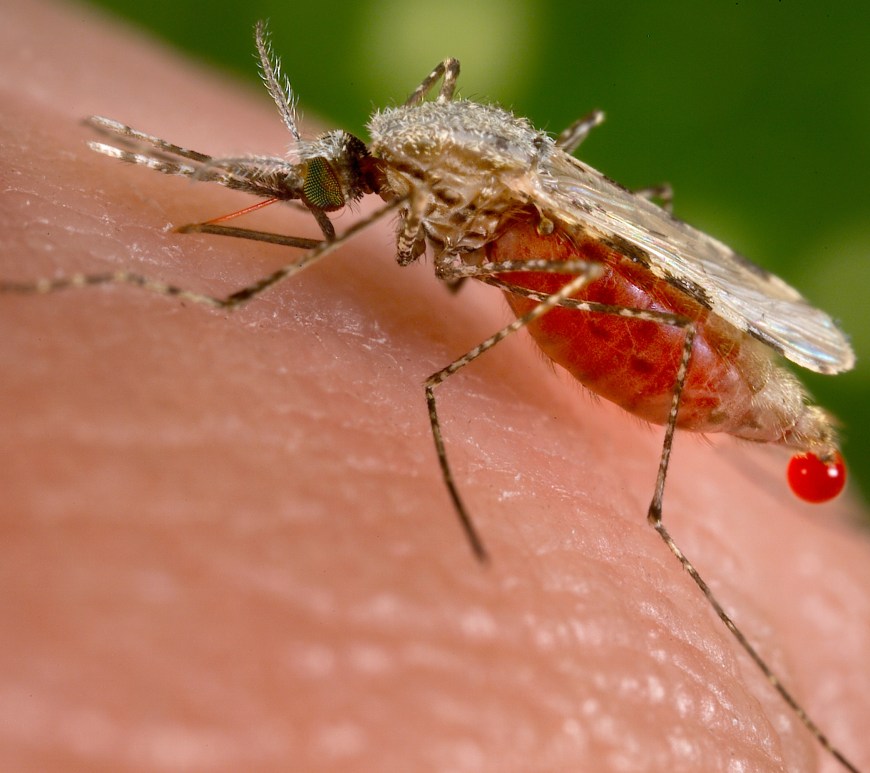
The Effects of Insecticidal Nets on Asymptomatic Malaria in India

Caleb Sooknanan ‘20 Over the past decade, mosquitoes have been subject to many vector control strategies in order to control the spread of Malaria. Long-lasting insecticidal nets (LLINs) have been among the most effective, as their distribution has reduced global malaria morbidity by 45% since 2000. However, a large proportion of malarial infections remain asymptomatic, likely preventing malaria elimination programs from being executed to the … Continue reading The Effects of Insecticidal Nets on Asymptomatic Malaria in India

Figure 1: This is an example of a patient that shows symptoms of vitiligo. TRM cells were found to permanently reside in the affected areas and can be the key to long-term anti-tumor immunity.

Immunity to Future Cancers with Resident Memory T Cells

Richard Liang 18’ Skin cancer melanomas develop from melanocytes, or pigment-containing cells, and cause discoloration in various parts of the body. Patients with melanomas are also likely to develop an autoimmune disease known as vitiligo, in which the body’s immune system attacks melanocytes. This results in a patchy loss of pigmentation. Recently, in a study led by Mary Jo Turk from the Department of Microbiology … Continue reading Immunity to Future Cancers with Resident Memory T Cells