Research on the presence of carcinogenic compounds in Nigerian smoked fish

by Aaradhana Natarajan ’20 Smoked fish makes up nearly 61% of the dry fish produced in Nigeria. While smoking is a common technique for meat preservation, wood smoke typically produces Polycyclic aromatic compounds (PAHs), which then saturate the fish meat. Professor Isioma Tongo and researchers at the University of Benin in Nigeria studied the concentration of PAHs in four local species of smoked fish and … Continue reading Research on the presence of carcinogenic compounds in Nigerian smoked fish

Authenticity is Key for Successful Relationships

By Amanda Ng ’17 Past research has been consistent in acknowledging the importance of open communication in relationships. However, it is often debated whether self-expression must be authentic to benefit the relationship, or whether a perception of authenticity is enough. Research in this field has shown that authenticity is positively linked with attachment security and caregiving responsiveness. However, this work has depended largely on an … Continue reading Authenticity is Key for Successful Relationships

Study examines the effect of exosomes on osteochondral regeneration

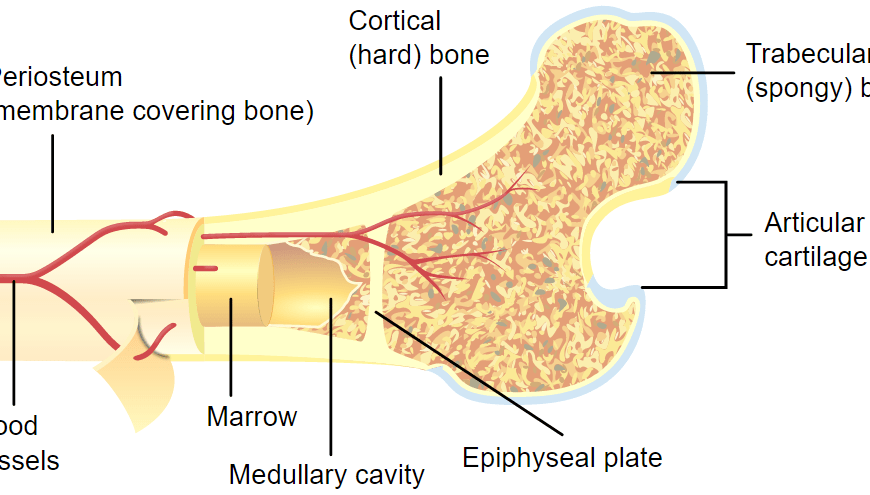
by Aaradhana Natarajan ’20 Adult mesenchymal stem cells (MSCs) are effective in osteoarithritic repair of bone cartilage. Currently, the efficacy of stem cell treatments has been ascribed to the exosomes released by the MSCs. Dr. Zhang and researchers at the National University of Singapore recently investigated the ability of MSC exosomes to treat osteochondral defects. Researchers created osteochondral defects on the trochlear grooves on the … Continue reading Study examines the effect of exosomes on osteochondral regeneration

Anxious Anxiety Related to Financial Stress Vulnerability

By Amanda Ng ’17 Past research has shown that for most people, financial stress can lead to certain maladaptive behaviors, such as negative feelings or aversion of this stress altogether. However, some individuals seem to be more susceptible to financial stress than others. Psychologists have explored several theories concerning this susceptibility, one of which involves analyzing an individual’s level of attachment anxiety and higher levels … Continue reading Anxious Anxiety Related to Financial Stress Vulnerability

Curcumin has the potential to alterations caused by ischemia

by Aaradhana Natarajan ’20 Ischemia can result when blood flow is severely reduced. The lack of sufficient oxygen and glucose causes cells to inflame as the body tries to regain homeostasis. Dr. Glaura Fernandes Teixeira de Alcântara and researchers at Estacio of Juazeiro da Norte in Brazil studied the neuroprotective ability of curcumin for global cerebral ischemia in the hippocampus. The researchers used a rat … Continue reading Curcumin has the potential to alterations caused by ischemia

Tackling Zika with an Antibody Present in Humans

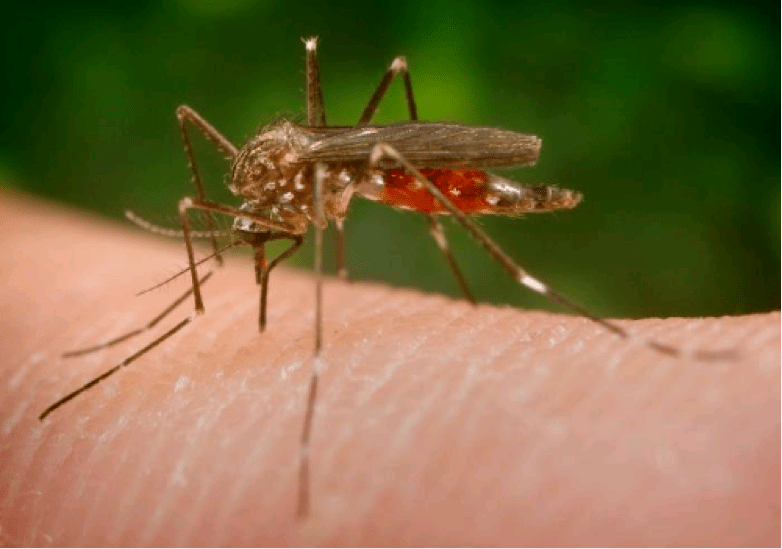
by Rideeta Raquib ’19   The Zika virus, or ZIKV, falls under the classification of the flavivirus genus, which includes Dengue and West Nile virus members, and can lead to numerous negative side effects. The virus contains a surface that is composed of 180 copies of E protein organized in an icosahedral symmetrical pattern with 60 asymmetric units. It also contains three domains, DI, DII, and … Continue reading Tackling Zika with an Antibody Present in Humans

Creating a Living Bio-Hybrid System

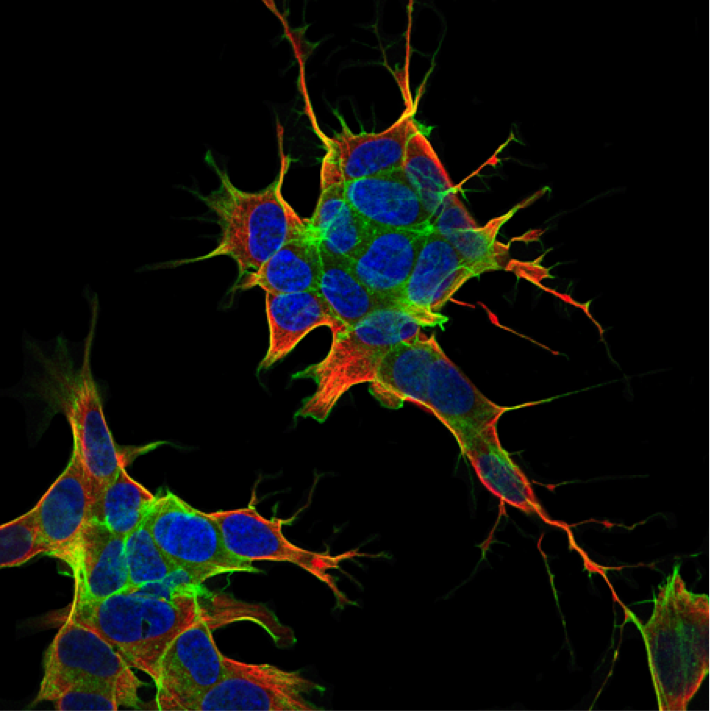
by Rideeta Raquib ’19   Neurons are a remarkable aspect of living organisms that enable electrical signals to travel to the brain and back, this translates to voluntary and involuntary responses. Designing a functional system that could mimic the actions present in the brain has proved to be an obstacle for many researchers. The most tedious aspect of such a design is to model the learning … Continue reading Creating a Living Bio-Hybrid System

Erasing Fear via Reconditioning of the Brain

by Rideeta Raquib ’19 Fear is an unpleasant emotion that can cause someone to be afraid. Although a small amount of fear has been evolutionarily helpful to organisms for preventing predation, too much fear can be mentally harmful. In fact, phobias and post-traumatic stress disorders can negatively impact the daily lives of many people. A study conducted by neuroscientists from the University of Cambridge, Japan, and … Continue reading Erasing Fear via Reconditioning of the Brain

Wearable Patch Increases Tolerance of Peanut Allergens

by Patrick Yang ’20   Consuming a tiny sample of peanuts can induce life-threatening anaphylaxis in a person with peanut allergies. Peanuts are the most prevalent allergens, accounting for approximately 16 percent of the allergies that Americans suffer from. Incidence rates are only rising, according to the American Academy of Allergy, Asthma, & Immunology. Although some children are able to outgrow their allergy, a decisive cure … Continue reading Wearable Patch Increases Tolerance of Peanut Allergens

Interview with the Undergraduate Biochemistry Society

This past week, one of our Cabinet Members, Benjamin Kerner, sat down with the President of the Undergraduate Biochemistry Society, Janki Patel, to learn more about their mission at Stony Brook.   B: What is the mission statement of your organization? J: So for undergrad biochem society, our goal is to basically foster a community for students that are interested in biochemistry and any of … Continue reading Interview with the Undergraduate Biochemistry Society

Rapidly Detecting Wound Bacteria

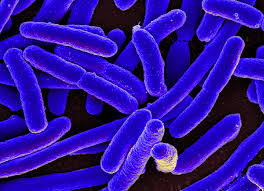
by Michael D’Agati ’18   Infections caused by wounds are a health concern for many people around the world. If treated incorrectly, these infections can cause major health problems for those affected. Treatments that can reduce the severity of the infections depend on rapid and timely detection of the infection-causing bacteria. In the past decade, previous attempts at creating biosensors for detecting wound bacteria have suffered … Continue reading Rapidly Detecting Wound Bacteria

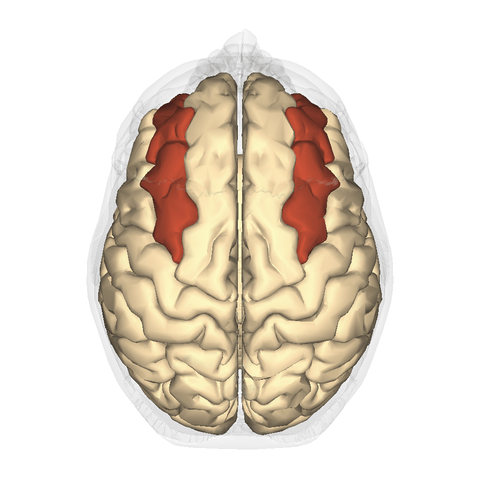
Brain Connectivity Can Predict Occurrence of Placebo Effect

by Patrick Yang ’20   The placebo effect has consistently stumped the scientific community because it provides an effective treatment based on a patient’s belief, rather than a scientific reason. Instead of disregarding the placebo effect, Dr. Pascal Tétreault of Northwestern University and his team aimed to discover the biological context and the predictability of placebo response in chronic pain patients. Since some patients exhibit the … Continue reading Brain Connectivity Can Predict Occurrence of Placebo Effect