Figure 1: Using FTIR spectroscopy, researchers showed the presence of collagen in a 195-million- year-old fossilized rib.

Ancient Collegen found in Early Jurassic Fossil

Meghan Bialt-DeCelie – ’19 The hints left in the form of fossils provide better understanding of evolution and natural preservation of biological material. The organic material, like proteins, would often be lost and decomposed, hence discovering soft tissue in a fossil is an intriguing find. Researchers led by Dr. Yao-Chang Lee were able to find preserved protein in a 195-million-year-old rib of a sauropodomorph dinosaur … Continue reading Ancient Collegen found in Early Jurassic Fossil

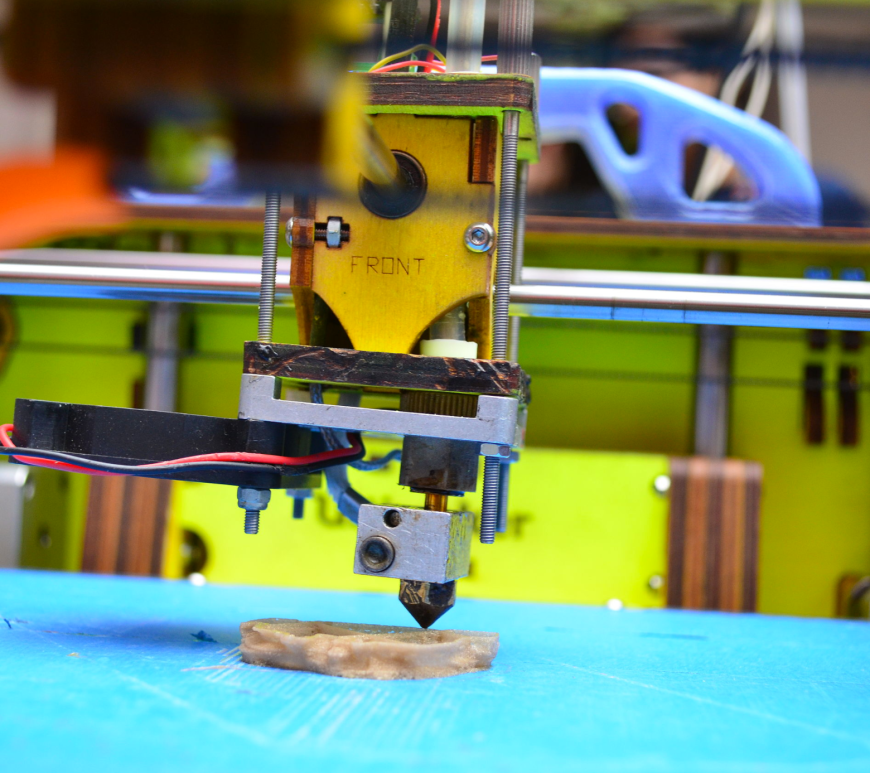
Figure 1: mircoCOB 3D Bioprinted tissues can potentially allow 3D printed tissues that are larger and more metabolically active to be sustainably produced.

3D Bioprinted Tissues Improved with Vascular Channels

Meghan Bialt-DeCelie – ’19 One of the biggest problems with engineered tissues is the lack of a vascular system to transport essential nutrients and oxygen. This is the reason why larger and highly metabolic organs are the most difficult to develop with 3D printing. Researchers from the University of California printed prevascularized tissues with microarchitectures using the fast and efficient method of microscale continuous optical … Continue reading 3D Bioprinted Tissues Improved with Vascular Channels

Figure 1: Through Interspecies blastocyst complementation, the blood glucose levels of diabetic mice were successfully lowered with mice pancreatic cells that were transplanted from rats.

Interspecies Pancreas Transplant

Meghan Bialt-DeCelie – ’19 Currently in the United States, 76,000 patients are deprived of potentially life-saving organ transplants. The supply of donated organs relies heavily on the number of recently deceased individuals, limiting the supply’s availability. Dr. Yomoyuki Yamaguchi and his team of researchers from Stanford University and the University of Tokyo are exploring more sustainable methods of generating functional tissues and organs to help … Continue reading Interspecies Pancreas Transplant

April Student Researcher of the Month: Ioana Soaita

This past month, one of our cabinet members, Benjamin Kerner, had the opportunity to sit down with Ioana Soaita, a senior student researcher in the Biomedical Engineering Department under Dr. Rubenstein. B: So now how did you get into research and what inspired you to do so? I: So I was really interested in doing diabetes work and was looking into either learning more about … Continue reading April Student Researcher of the Month: Ioana Soaita

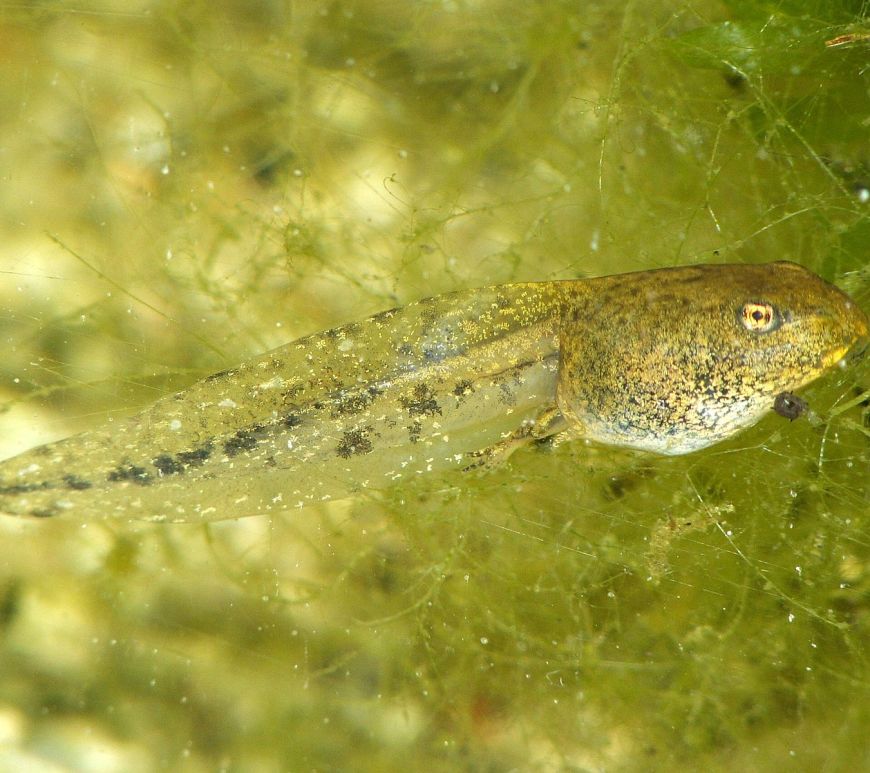
Caption: Researchers demonstrate the improvement of innervation between the central nervous system and a grafted eye on the tails of tadpoles with Zolmitriptan.

Improved Functionality of Grafted Eyes on Blind Tadpoles

Meghan Bialt-DeCelie – ’19 The major flaw faced by research in tissue regeneration is proper development of a nervous system as well as its functionality in the new host. Researchers led by Douglas J. Blackiston, Ph.D from Tufts University attempted to improve communication between a graft and the central nervous system of a host. The researchers used the tadpoles of Xenopus laevis to observe the … Continue reading Improved Functionality of Grafted Eyes on Blind Tadpoles

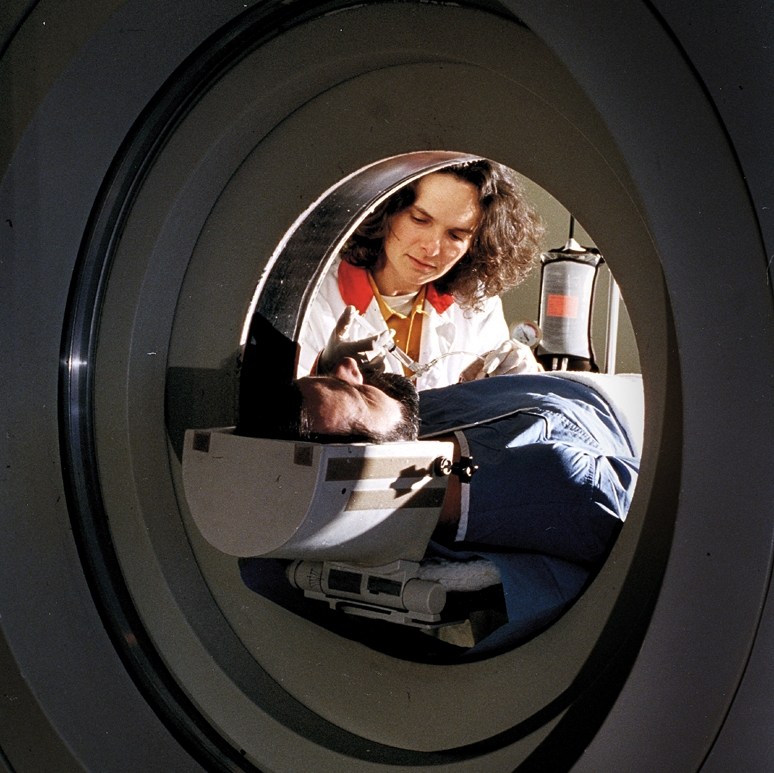
Figure 1: Uncovering new evidence of biological predictors of psychological disorders helps point researchers in the right direction for creating more effective treatments.

Norepinephrine Transporter in Major Depressive Disorder: A PET Study

Ericka Berman Major depressive disorder (MDD) is a debilitating illness characterized by low mood and loss of interest in activities. In MDD, the neurotransmitter norepinephrine is believed to be dysregulated, contributing to the depressive symptoms. The goal of this study was to test norepinephrine transporter availability in patients with MDD in attempt to identify potential associations with clinical symptoms. Previous studies have looked at the … Continue reading Norepinephrine Transporter in Major Depressive Disorder: A PET Study

Hairs on Honey Bees Essential for Pollen Removal

By Rideeta Raquib ’19 Diverse flowering plants evolved during the Cretaceous and Paleogene Periods, nearly 140 to 23 million years ago, and they adapted pollinating insects for better dispersal. Several insect orders that were attracted to flowers and nectar, such as Coleoptera or Diptera became abundant as well. Although the grooming of insects has been prominent over many years, quantitative analysis on the subject is … Continue reading Hairs on Honey Bees Essential for Pollen Removal

Reaching and Grasping Movements Restored in Tetraplegia Patients

By Rideeta Raquib ’19 Tetraplegia is a type of paralysis caused by high-cervical spinal cord injury and can limit reaching and grasping movements. To restore the motor functions lost in these limbs, a tool known as the functional electrical stimulation (FES) applies spatiotemporal stimulation to muscles and peripheral nerves. This simulation has successfully restored grasping in individuals with mid to low level spinal cord injuries. … Continue reading Reaching and Grasping Movements Restored in Tetraplegia Patients

Figure 1. The odd association between anxiety and bowel movements in irritable bowel syndrome is a result of altered gut bacteria.

Exploring the Anxiety Associated with Irritable Bowel Syndrome

By Patrick Yang ‘20 While symptoms of abdominal pain, gas, and diarrhea are implied in its name, irritable bowel syndrome (IBS), a common gastrointestinal disorder, is also often accompanied by anxiety. The odd association with gut and brain behavior has led scientists to believe that there is a disorder of unknown cause between gut-brain communication that results in the concurrent symptoms. Recent research on IBS … Continue reading Exploring the Anxiety Associated with Irritable Bowel Syndrome

Figure 1. Close interaction between embryonic trophoblast stem cells and embryonic stem cells resembles natural embryo development.

Scientists Create First Ever Artificial Embryo

By Patrick Yang ’20   Embryo development has been a very limited and sanctioned field of research due to concern for the pregnant mother. Although safety is a priority for live subjects, research in this area could improve understanding of optimal prenatal conditions, as well as the molecular interactions between embryonic stem cells. Researchers have thus entertained the idea of an artificial embryo because it … Continue reading Scientists Create First Ever Artificial Embryo

Hnery Ng

Interview with Student Researcher Henry Ng

This past month, one of our cabinet members, Benjamin Kerner, had the opportunity to sit down with Henry Ng, a prominent student researcher here at Stony Brook. B: Alright so first question, what is your name, major, and department? H: I’m Henry Ng, and I’m a Biology major, specializing in developmental genetics. I am also a chemistry minor, because chemistry is great. I love it. … Continue reading Interview with Student Researcher Henry Ng

Figure 1. Mammalian brains can be influenced by non-genetic and Allele-Specific expression

Mammalian Brain Affected by Non-Genetic and Allele-Specific Expression

By Rideeta Raquib ’19 The brain is a complex organ that is constantly being impacted by genetic and epigenetic factors. Mental illness patients are usually heterozygous in terms of inheriting one mutant allele. The random inactivation of the X-chromosome and genomic imprinting influences brain architecture and risk of disease. Studies on neuropsychiatric disorders uncovered a spectrum of data regarding the epigenetic dynamics of such dysfunction. … Continue reading Mammalian Brain Affected by Non-Genetic and Allele-Specific Expression